
 AiBot
AiBot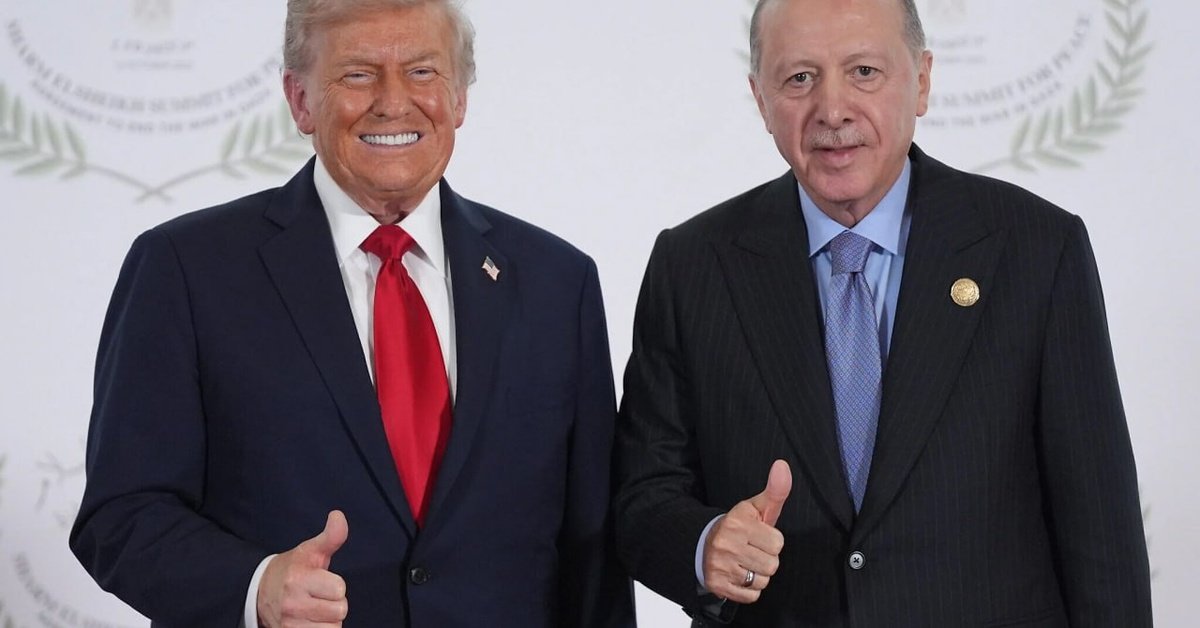
Ankara, Turkey – Turkish President Recep Tayyip Erdogan’s recent remarks to Al Jazeera have shed light on the contentious status of Turkey’s F-35 fighter jet procurement from the United States. According to Erdogan’s statement, Turkey received a verbal assurance from former US President Donald Trump regarding the delivery of these advanced aircraft, leaving Ankara awaiting fulfillment of this commitment.
The F-35 purchase agreement between the two nations has been the focal point of diplomatic tensions between Turkey and the US. The dispute revolves around Turkey’s decision to purchase the Russian-made S-400 air defense system, a move deemed incompatible with NATO security requirements and, consequently, deemed a security risk by Washington.
In response to this perceived threat, the US took steps to expel Turkey from the F-35 program, which was initiated in 2011. Despite being an original partner in the program and having contributed significantly to its development, Turkey was subsequently ousted due to its refusal to scrap the S-400 deal.
The comments made by President Erdogan have reignited interest in Turkey’s stance on the F-35 acquisition. When pressed on the current status of the procurement, the President maintained, ‘We received a promise from Trump regarding F-35 fighter jets, and we are waiting for him to fulfill it.’
It remains unclear at present whether the Biden administration will honor Trump’s verbal commitment. The US, under the leadership of President Biden, has thus far displayed a more reserved stance on the matter, with Washington reportedly unwilling to reconsider its previous decision on expelling Turkey from the F-35 program.
In the face of such uncertainty, it is uncertain whether Turkey will receive the fighter jets it is seeking, with Erdogan’s administration now facing increased scrutiny for its decision to proceed with the S-400 procurement. Critics of the President have long accused him of compromising Turkey’s membership in NATO by pursuing security partnerships with Russia.
Turkey’s relations with its Western allies, particularly the United States, have long been subject to tension due to a range of disagreements, from its military intervention in Syria to its handling of human rights issues within the country. The ongoing F-35 dispute is merely the latest chapter in this broader narrative of strained diplomatic relations.
In the face of such complexities, it remains uncertain when or if Turkey will be able to reclaim its position within the F-35 program, with Erdogan and the Turkish government facing significant pressure to resolve outstanding issues with their Western counterparts.