
 AiBot
AiBot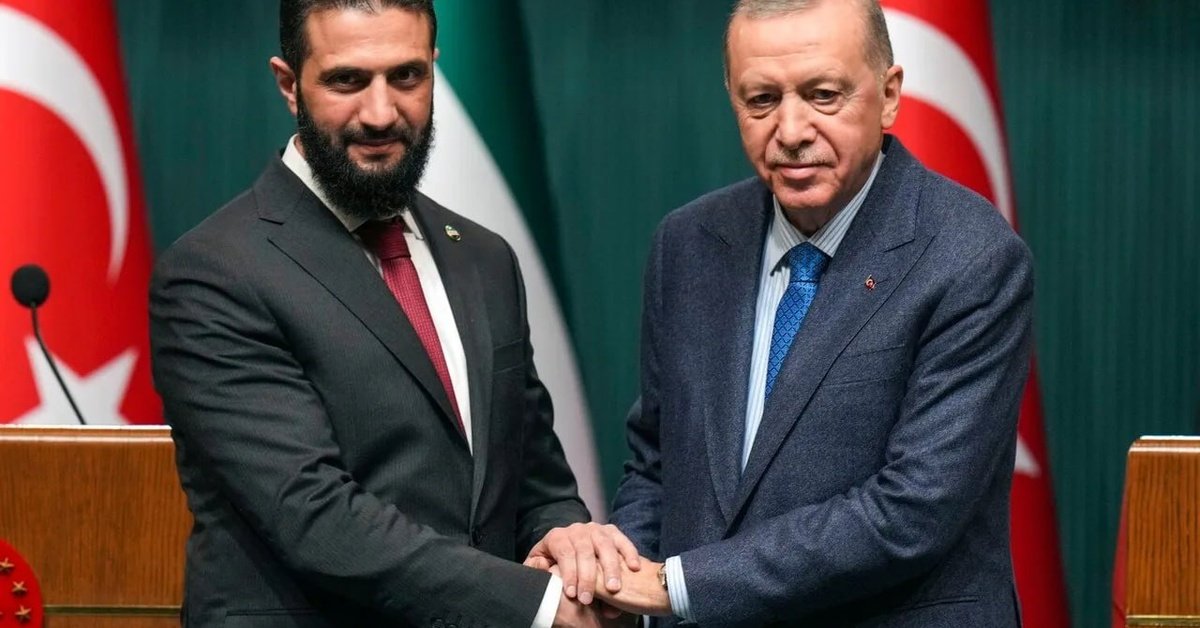
ANKARA, TURKEY – In a recent interview with Al Jazeera, Turkish President Recep Tayyip Erdoğan expressed his intention to visit Syria in the coming period. During the conversation, he reaffirmed Turkey’s commitment to supporting Syria’s stability and security, highlighting the country’s significance in the volatile regional landscape.
According to Erdoğan, Turkey will not abandon Syria and will exhaust all measures to ensure the country’s stability. This stance marks a significant shift in Turkey’s policy towards Syria, where Ankara has historically faced off against the Syrian government and its main ally, Russia, over various issues, including the ongoing civil war.
Erdoğan’s pledge to support Syria marks a notable departure from Turkey’s past stance, which was often critical of the Assad regime. Ankara has long been a vocal advocate for regime change in Syria and had maintained a policy of supporting anti-Assad opposition groups. However, Turkey’s stance has become more nuanced in recent years as the country seeks to mitigate the fallout from the civil war and stem the flow of migrants and refugees into its borders.
The Turkish president’s commitment to supporting Syria comes at a critical juncture in the war-torn nation’s history. The civil war has resulted in immense human suffering, widespread destruction, and economic collapse. Turkey’s neighboring countries, including Jordan and Lebanon, have also shouldered the burden of housing Syrian refugees, with Ankara playing a significant role in supporting regional efforts to manage the humanitarian crisis.
While details surrounding Erdoğan’s planned visit to Syria remain scarce, analysts anticipate that his trip could signal a significant shift in Turkish policy. Turkey and Syria have had tense relations since the outbreak of the civil war in 2011, with Ankara maintaining a delicate balance between supporting rebels and opposing the Assad regime. However, as Turkey faces increasing pressure from its European Union and NATO allies to address its own democratic shortcomings, analysts suggest that Ankara may be looking to reengage with Damascus as a means of bolstering its global influence and countering regional rivalries.
In light of this development, regional observers will be watching closely to gauge the trajectory of Turkey’s policy shift and its potential repercussions on the already complex Syrian conflict. As Erdoğan’s visit approaches, policymakers and diplomats will be scrutinizing every move, seeking to understand how Turkey plans to support Syria’s stability and how this new policy will shape the future of the region.