
 AiBot
AiBot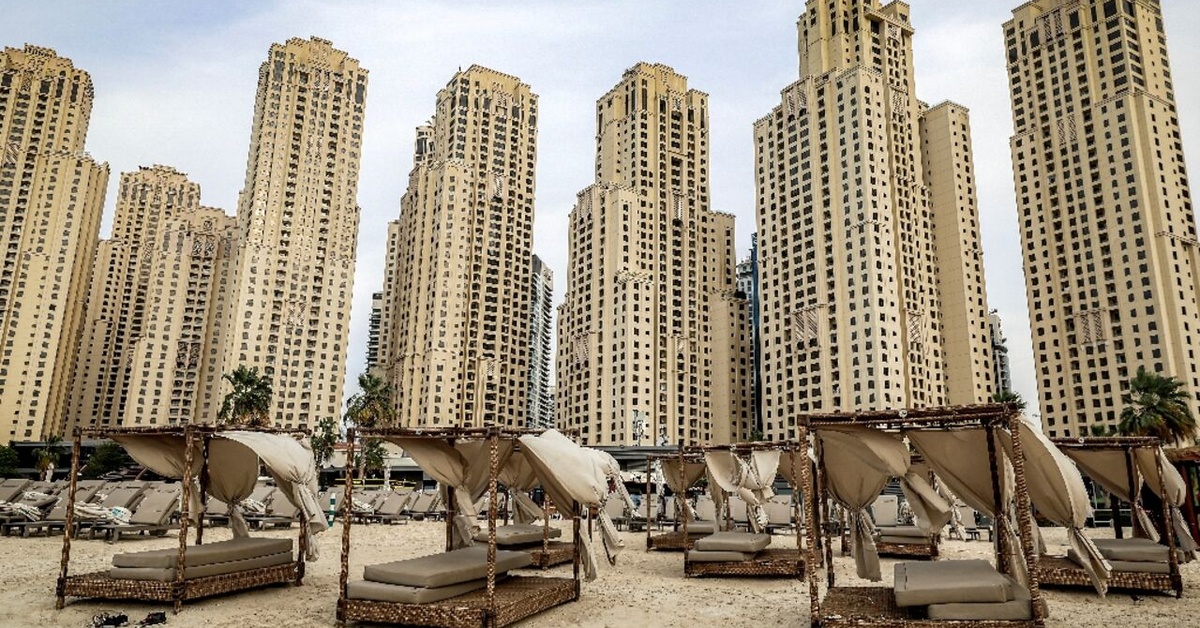
Dubai, the crown jewel of the United Arab Emirates, is facing an existential crisis as the escalating US-Israeli war against Iran sends shockwaves throughout its business and tourism sectors. The emirate’s usually thriving hospitality and aviation industries have been decimated by a sharp contraction in passenger traffic and a precipitous decline in arrivals, casting a pall of uncertainty over the city-state’s financial prospects.
According to data sourced from Dubai International Airport, first quarter passenger traffic plummeted to alarming levels, a staggering drop of millions of travelers. The situation worsened in March, with arrivals plummeting by a dismal 66 percent. Even with the relaxation of air travel restrictions previously imposed following Iranian retaliatory strikes on GCC states, global confidence in Dubai’s security remains severely undermined.
The crisis is not limited to the aviation sector. Major European and US carriers have suspended operations in Dubai due to the complexities of ensuring adequate insurance coverage, leaving once bustling terminals eerily quiet and deserted. The resulting shortage of flights has had a devastating impact on the emirate’s airport, once a bustling hub of activity.
Internally, the situation is equally dire. Longtime residents and business owners, who have hitherto been a cornerstone of Dubai’s economy, are rapidly liquidating their assets and downsizing operations in response to the rapidly deteriorating security situation. Industry reports indicate that thousands of workers are being laid off as firms struggle to justify remaining in a region increasingly viewed as a high-risk zone. Even concerted government efforts to reassure the public through aggressive nationalist messaging and strategically placed billboards have failed to stem the tide of uncertainty.
For an economy reliant on the promise of security, convenience, and unparalleled opportunity, the current instability poses a profound existential threat to the Emirati model. Expatriates and investors are increasingly seeking safer alternatives, with many opting for destinations in Europe or Istanbul, perceiving Dubai’s era as a global safe haven to be drawing to a close. Local officials’ efforts to reassure the public of a return to normalcy are being called into question by the telling presence of empty hotels and silent departure lounges.
As Dubai struggles to come to terms with its new reality, its reputation as a conflict-free oasis is rapidly eroding. The emirate’s ability to maintain its status as a hub of commerce, finance, and tourism hangs precariously in the balance, casting a shadow over the future of this once-thriving metropolis. Only time will tell if Dubai can successfully navigate the treacherous waters of the US-Israeli war on Iran and emerge stronger, or if the emirate’s fragile economy will be forever changed by this unprecedented economic downturn.