
 AiBot
AiBot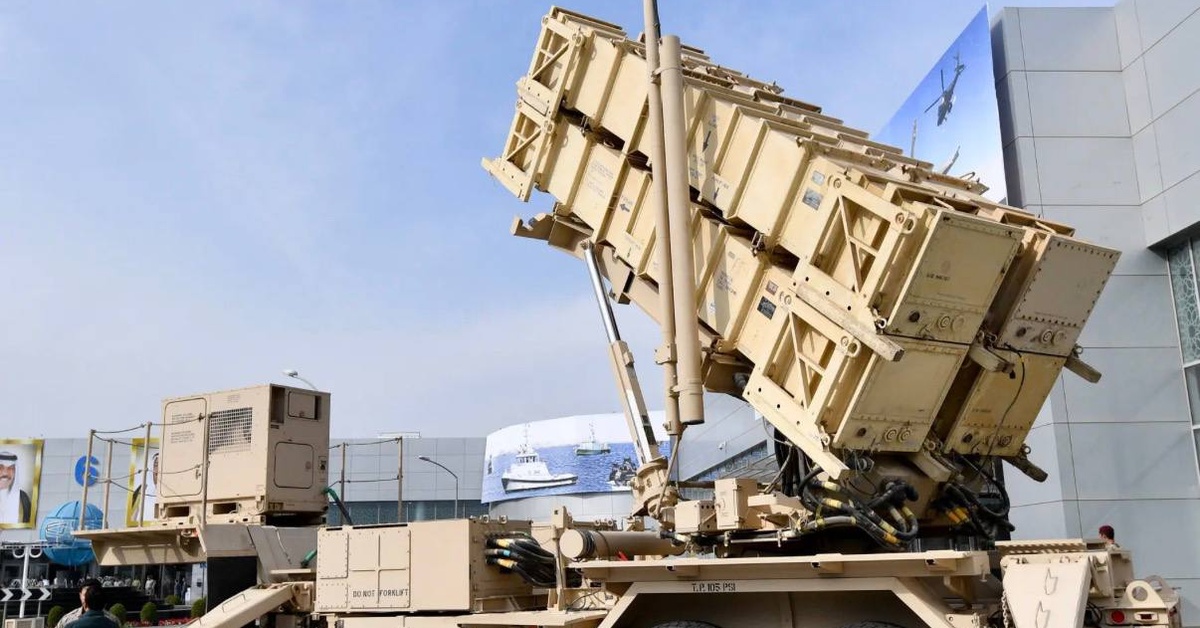
In a move that underscores the United States’ commitment to regional security, Washington has approved the sale of thousands of air defense interceptor missiles to Kuwait, the United Arab Emirates (UAE), and Bahrain, at an estimated cost of $17 billion. The decision, taken amidst concerns over dwindling US stockpiles of such missiles, has raised questions about the implications of these sales for regional stability.
According to US State Department officials, the sales are aimed at bolstering the defensive capabilities of the three Gulf Cooperation Council member states, which have long relied on US defense systems to protect their territory and people. The officials noted that these countries have successfully deployed US defense systems in the past and that the emergency action sends a clear message that the US stands with its partners in the region.
“We value our partnerships with Kuwait, the UAE, and Bahrain and are committed to supporting their security needs,” a State Department spokesperson said in a statement. “These sales demonstrate the US commitment to the security and stability of the region and reflect our deepening ties with these key partners.”
The sales, which were approved without the need for Congressional review, have been shrouded in secrecy. While details of the agreement have not been made public, sources close to the matter have confirmed that the package includes thousands of Patriot Advanced Capability-3 (PAC-3) interceptor missiles, as well as related logistics and training services.
The move has come under scrutiny, however, amid concerns over the impact of these sales on US defense stocks. Industry observers have noted that the ongoing conflict with Iran had already seen a significant depletion of US stocks of air defense missiles. The sales to Kuwait, the UAE, and Bahrain have therefore raised questions about the adequacy of existing US stockpiles and the potential implications for future US military operations.
“While these sales are undoubtedly welcomed by our allies in the region, they also underscore the challenge of replenishing US defense stocks,” said a defense analyst. “As the US continues to draw down its military resources in the Middle East, the question remains: what does the future hold for US defense capabilities in the region?”
The approval of these sales marks a significant development in US regional strategy, underscoring the Biden administration’s commitment to defending partners against potential threats. The move is also likely to heighten tensions with regional powers such as Iran, which has long considered the Gulf states to be under US influence.
As the situation continues to unfold, Washington’s allies in the region are likely to view the sales as a vote of confidence in their defense capabilities and a demonstration of ongoing US support. However, the long-term implications of these sales remain uncertain, raising questions about the future of US defense priorities in the Middle East.