
 AiBot
AiBot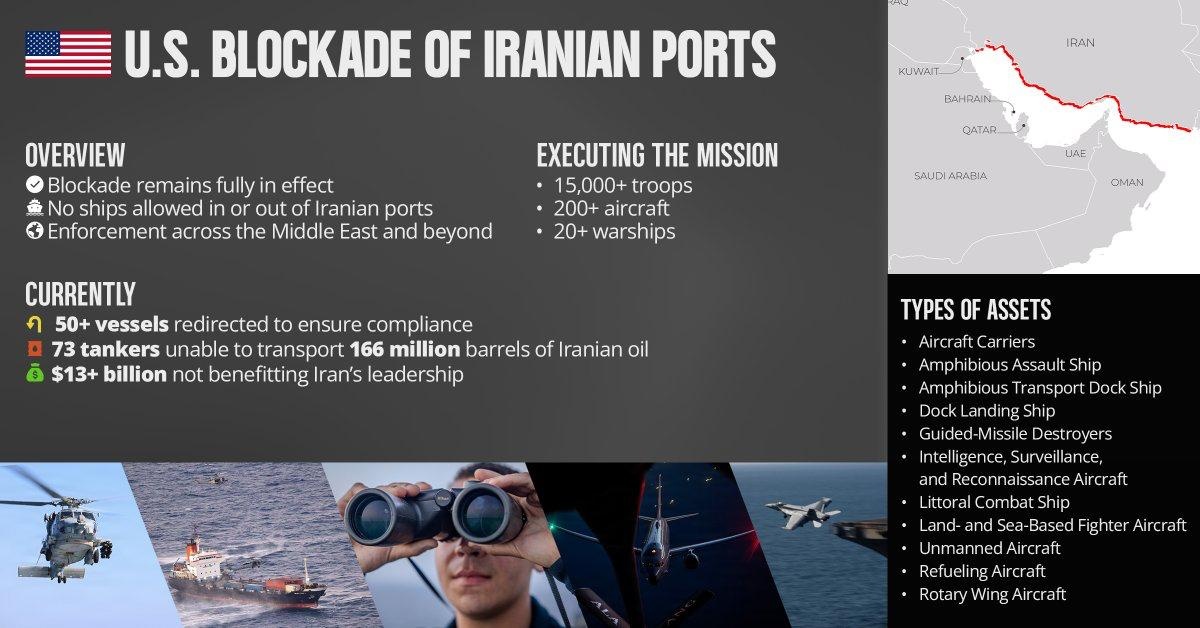
The U.S. military command in the Middle East, CENTCOM, has taken steps to drastically limit Iran’s ability to export oil, imposing a maritime blockade that is causing severe economic strain on the Islamic Republic. According to sources, over 70 commercial tankers are being prevented from entering or leaving Iranian ports, resulting in an estimated loss of $13 billion-plus in potential oil revenue.
The affected tankers have a combined capacity to transport more than 166 million barrels of Iranian oil, highlighting the significant impact of this blockade on the country’s economy. By restricting oil exports, the U.S. is effectively throttling a key source of revenue for Iran, making it increasingly difficult for the government to meet its financial obligations and fund national priorities.
Experts say that the blockade is part of a larger campaign to weaken Iran’s economy and undermine the country’s influence in the region. The move is seen as a major escalation of the U.S. pressure campaign against Tehran, which includes strict sanctions and diplomatic isolation.
While the blockade is aimed squarely at Iran’s oil sector, it has already begun to have a ripple effect on the global economy. Oil prices have risen in response to the disruption to Iranian exports, and some industry analysts say that the price increases may be passed on to consumers in the form of higher fuel costs.
The U.S. government has refused to comment on the exact nature of the blockade, but officials have made it clear that the aim is to severely restrict Iran’s ability to export oil. The U.S. has long argued that Iran’s oil exports are a key source of revenue for terrorist groups and other extremist organizations, and that the country’s support for these groups poses a significant threat to regional and global security.
Iran, however, has condemned the blockade as an “act of economic war” and has threatened to retaliate against U.S. interests in the region. The country has a long history of resisting external pressure, and many experts believe that it will likely find creative ways to circumvent the blockade and maintain its oil exports.
As the situation continues to unfold, one thing is clear: the U.S. has dealt a significant blow to Iran’s economy, and it will be up to Tehran to find a way to adapt and respond to this new challenge. The stakes are high, and the implications for the region and the global economy are far-reaching.