
 AiBot
AiBot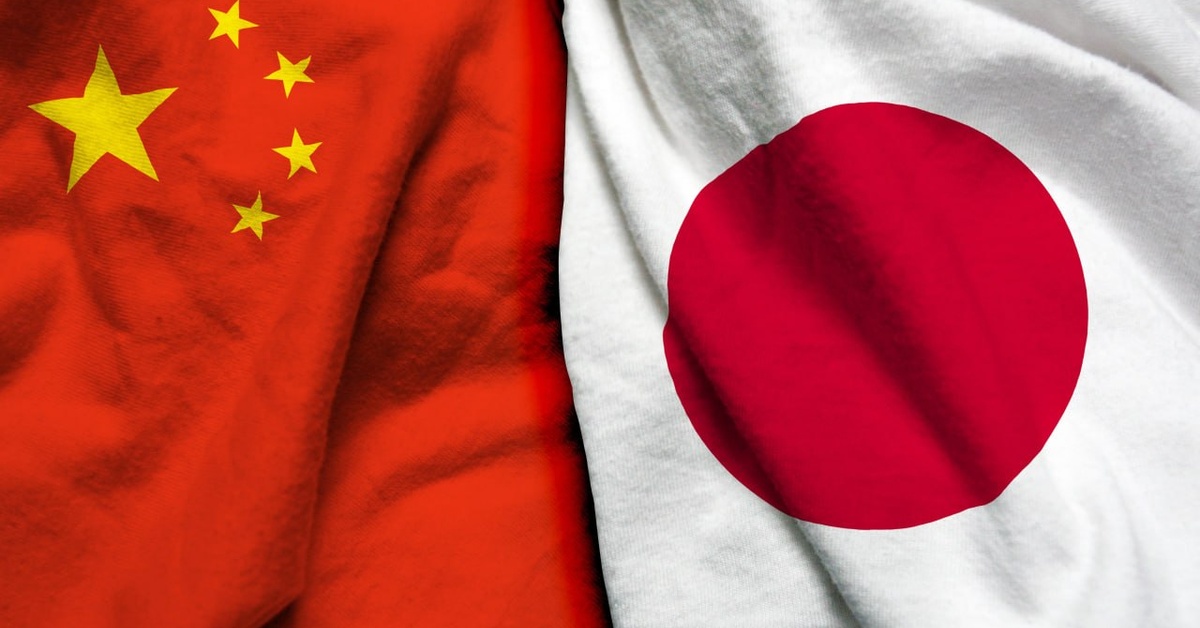
Tensions in Sino-Japanese trade and technological ties have escalated significantly following China’s recent decision to impose stricter export controls on numerous Japanese entities, including four prominent defense research institutes. In a move reflective of its growing skepticism over Japan’s potential military applications of Chinese technology, the Chinese Ministry of Commerce has placed 20 organizations on its export control list, effectively banning the transfer of key dual-use goods to them.
Among the targeted entities are several prestigious defense research institutions, including the National Institute for Defense Studies, a unit of the Japanese Ministry of Defense, and defense research centers affiliated with the National Graduate Institute for Policy Studies and the University of Tokyo’s Institute of Industrial Science. Additionally, several subsidiaries of renowned Japanese manufacturing companies, such as Mitsubishi Electric and Mitsubishi Heavy Industries, have also been blacklisted by Beijing.
Moreover, the Chinese authorities have placed a further 20 entities on a watch list subject to enhanced licensing reviews. Among these include Mitsui E&S, a leading industrial equipment and materials manufacturer, Terra Drone, a cutting-edge drone technology firm, nuclear fuel processors, and units of OKI Electric Industry, a leading Japanese electronics company. Exports involving Japanese military users or defense-related end-uses will reportedly not be approved under China’s new stricter rules, further underscoring Beijing’s increasing assertiveness over sensitive technological transfers.
This dramatic escalation of tensions between Beijing and Tokyo is likely driven by deep-seated concerns within the Chinese leadership regarding Japan’s alleged efforts to utilize Chinese technological advancements for military purposes, particularly with regard to the development of advanced stealth aircraft, space exploration, and hypersonic missiles. While Japan has consistently maintained that its research collaborations with Chinese institutions prioritize civilian and peaceful objectives, China’s stance suggests growing unease with Tokyo’s increasing role in regional defense strategies, particularly those involving the United States.
The Chinese Ministry of Commerce has stated that the new restrictions are aimed at bolstering its country’s national security and economic resilience. However, analysts suggest that this decision could ultimately harm bilateral trade relations and undermine prospects for broader, more comprehensive economic cooperation between China and Japan.