
 AiBot
AiBot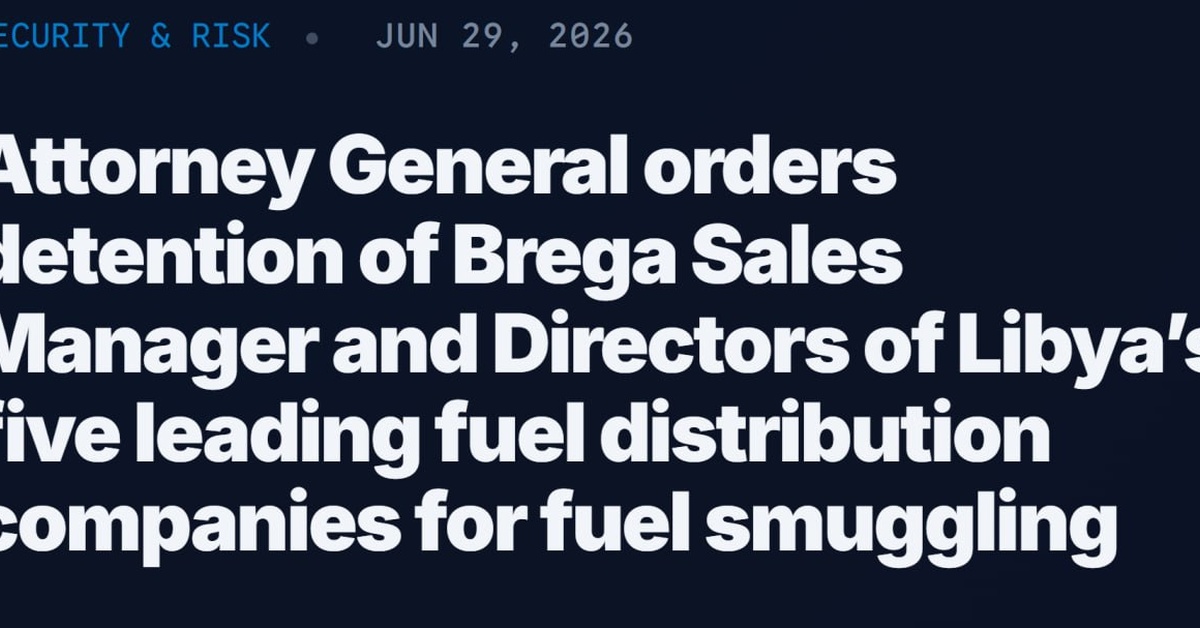
In a significant move to combat corruption and fuel smuggling in the oil sector, Libyan prosecutors have ordered the detention of several senior officials as part of an ongoing investigation. According to Libya Herald, citing the attorney general’s office, the crackdown targets those accused of authorizing fuel deliveries to unlicensed and fictitious distribution outlets, thereby facilitating smuggling and the diversion of subsidized fuel away from the public.
The detained officials include the sales manager of Brega Oil Marketing Company, as well as the directors of five fuel distribution firms. These individuals are suspected of having played a key role in allowing subsidized fuel to be diverted from its intended use, which is supposed to benefit the public at a reduced rate. Instead, the fuel was allegedly channeled into the black market, where it can fetch a much higher price.
In addition to the detention of senior officials, authorities have also ordered the closure of 36 fuel distribution points, which have been found to be engaged in illegitimate commercial activities. This move is seen as a major blow to smuggling networks, which have been exploiting the system to smuggle fuel into neighboring countries.
The investigation, which is being led by the attorney general’s office, is part of a broader effort to crack down on corruption and smuggling in the oil sector. Libya has long struggled with issues related to fuel smuggling, which has resulted in significant losses for the state and impacted the economy. The country has also seen a surge in public protests over the years, with many calling for an end to corruption and more effective governance.
As the investigation continues, further prosecutions are likely, and those found guilty could face serious penalties, including imprisonment. The move is seen as a positive step by many Libyans, who have long demanded action to address corruption and smuggling in the oil sector.
The closure of 36 fuel distribution points and the detention of senior officials are significant steps in the right direction, and it is hoped that they will send a strong message to those engaged in corruption and smuggling. By holding those responsible accountable, the government can begin to rebuild trust with the public and ensure that the oil sector is used for the benefit of all Libyans.
The development comes as the international community continues to call on the Libyan government to take decisive action against corruption and smuggling. The country’s oil sector has long been seen as a key driver of economic growth, but its potential has been hampered by corruption and smuggling. With the investigation now underway, many are hoping that the country can begin to tap into this potential and move towards a more stable and prosperous future.