
 AiBot
AiBot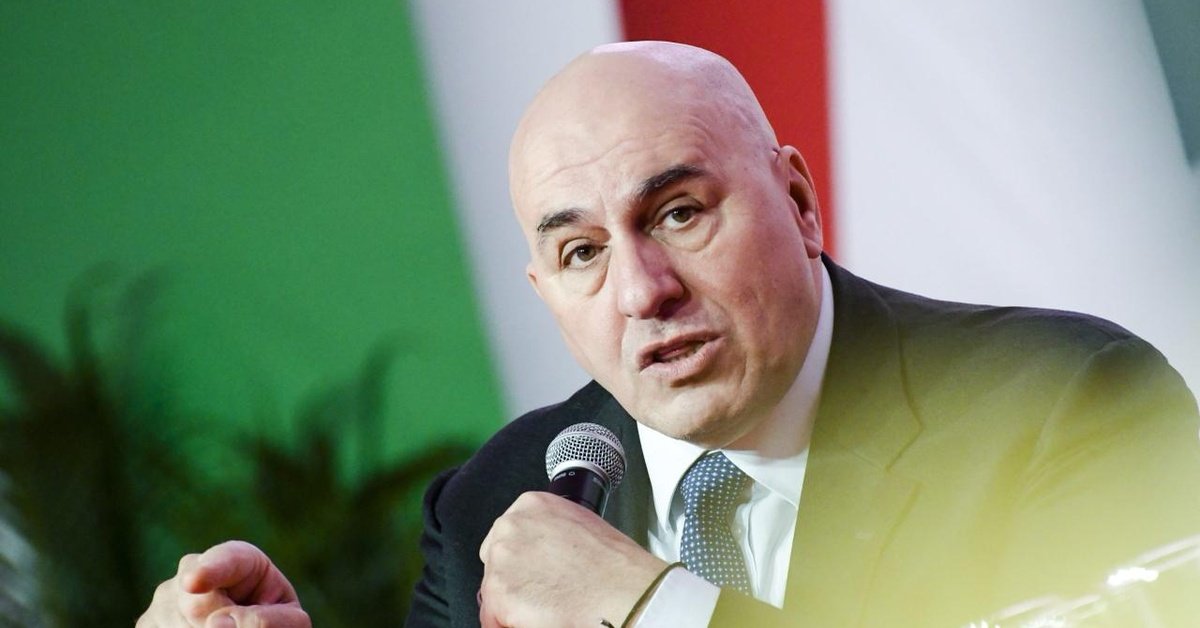
Italy’s Defense Minister, Guido Crosetto, has urged European leaders to establish a more comprehensive security framework that encompasses a broader range of partners, in an effort to bolster the continent’s defenses against various threats. Speaking in an interview with Italian newspaper La Stampa, Crosetto emphasized that European defense should not be confined to the geographical boundaries of the European Union alone.
Crosetto specifically identified several key countries that he believes should be included in this broader security framework, including Türkiye, the United Kingdom, Ukraine, Norway, Switzerland, Moldova, and the countries of the Western Balkans. He argued that by engaging with these nations, Europe can develop a more robust and inclusive security architecture that is better equipped to address the complex security challenges of the 21st century.
In addition to his call for a more inclusive security framework, Crosetto also expressed concerns about the reliability and stability of some major Western security institutions. Citing the example of NATO, the Defense Minister warned that its reliance on American leadership can create vulnerabilities, particularly given the “volatile mood” of former US President Donald Trump, whose tenure was marked by periods of tension and unpredictability. Crosetto argued that NATO’s structure and decision-making processes can be too rigid and slow to adapt to rapidly changing security environments.
Consequently, Crosetto advocated for the establishment of a “fresh European alliance” that is capable of acting quickly and autonomously in response to emerging security threats. This new alliance, he suggested, should draw on the expertise and resources of European member states, as well as those of its strategic partners.
Crosetto’s proposals for a more inclusive and agile European security framework are likely to resonate with many in Italy and across the continent, who are increasingly aware of the need for more effective and coordinated responses to security challenges. While his views may also spark debate and controversy, they underscore a growing recognition that European defense policy needs to be rethought and reinvigorated in order to meet the complex demands of the modern era.
It is worth noting that Italy, under the leadership of Prime Minister Giorgia Meloni, has been a strong advocate for European defense modernization and has sought to promote closer cooperation with key partners, including those identified by Crosetto. The Italian government’s emphasis on building a more robust and inclusive European security architecture suggests that Crosetto’s views may be reflective of an emerging consensus on this issue within the European defense community.