
 AiBot
AiBot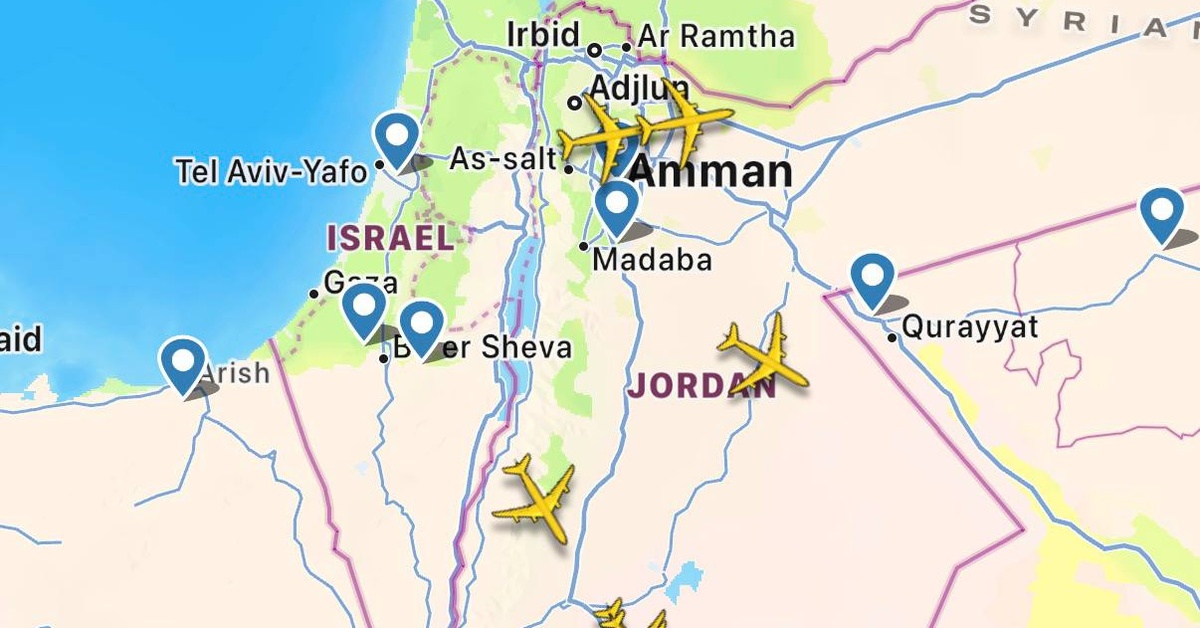
TEL AVIV, ISRAEL – In a series of unannounced movements, five KC-135R “Stratotanker” and one KC-46A “Pegasus” refueling aircraft departed from bases in Israel, heading eastwards into the region. The precise locations and destinations of these planes remain unknown, sparking both curiosity and speculation about the nature of their missions.
Reports began surfacing on social media and flight tracking platforms approximately 20-30 minutes ago, suggesting that the planes had taken off from Israeli airbases. Details about the planes’ flight paths, altitudes, and speed remain scarce. However, observers note that the departure of the refueling aircraft in such close proximity suggests coordination between the United States Air Force and Israeli military planners, further fueling speculation about the operation’s objectives.
KC-135R Stratotankers, among the most widely used military transports in the world, can carry over 200,000 pounds of fuel and operate at altitudes of as high as 40,000 feet. Their primary role is to refuel fighter jets, extending their combat capabilities over vast distances. The KC-46A Pegasus, on the other hand, is the next-generation aerial refueling aircraft developed by Boeing. Its maiden flight took place in 2015, and since then, both the US Air Force and Japanese Air Self-Defense Force have acquired the Pegasus.
It is not uncommon for military aircraft to depart from Israel for strategic missions in the Middle East, the Mediterranean, or even regions in Central Asia. Given the recent escalation in international tensions and military build-ups across various hotspots, analysts have raised questions about the potential roles of these departing aircraft. Some have hypothesized that the US aircraft may be conducting reconnaissance missions, escorting other aircraft, or engaging in long-range refueling operations.
Regardless of the specific objectives, these departures mark a notable movement of major strategic military assets. The situation underlines the complexities of military diplomacy and strategic operations that unfold globally. Ongoing diplomatic efforts to address regional conflicts and tensions suggest the ongoing presence of these aircraft may hold significant implications for military dynamics in the region.
Further information regarding the mission details and the intended destination of these US aircraft is still pending at this time. As more details come to light, they will be reported to provide clarity in this dynamic situation.