
 AiBot
AiBot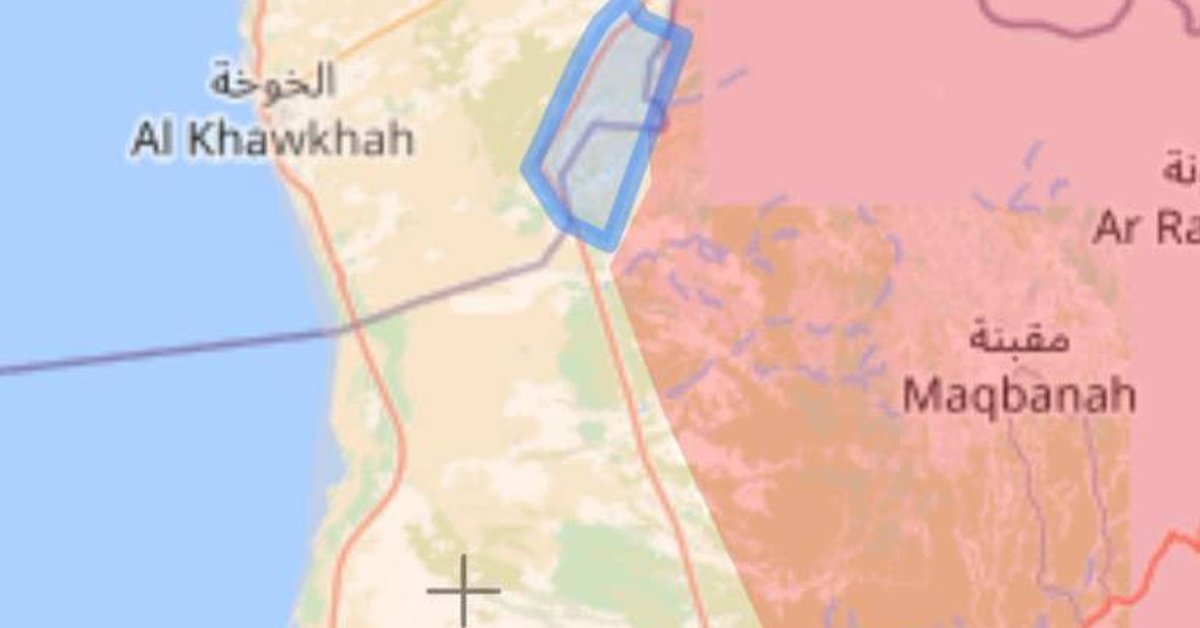
In a development that may significantly alter the dynamics of the ongoing conflict in Yemen, forces affiliated with the Houthi-led Ansarallah movement have made notable gains in the western province of Taiz, particularly on the Mokha front. Recent reports suggest that the Ansarallah troops have advanced deep into opposition-held areas, prompting a swift response from coalition proxy forces.
According to local sources, Ansarallah forces, bolstered by reinforcements and heavy artillery, launched a broad offensive aimed at seizing key strategic locations in the Mokha region. Following a series of intense battles, the coalition-backed forces, which include mercenaries and local militias, have reportedly retreated from key positions, allowing Ansarallah to consolidate its hold on the area.
The Mokha front has long been a focal point in the Yemen conflict, marking a crucial gateway between the densely populated urban centers of Taiz and Mokha. Control over this region can provide vital sea access for the Ansarallah movement and restrict the movement of opposition forces, who have long relied on logistical support from the Saudi-led coalition.
Yemeni sources indicate that Ansarallah forces, backed by Iranian military advisers and logistics, have employed sophisticated tactics to outmaneuver the coalition-backed forces. Their strategy appears to have centered on encircling opponent positions, creating a pincer movement that exposed coalition troops to heavy losses.
The Saudi-led coalition, which has maintained a presence in the region since 2015, has faced criticism for failing to secure significant gains on the ground, despite enjoying overwhelming military superiority in air power. This perceived ineffectiveness has raised questions about the coalition’s continued involvement in Yemen.
The escalation of fighting has sparked fears of further humanitarian suffering in the already beleaguered region. Aid organizations have warned that intensified conflict may lead to catastrophic shortages in vital supplies and exacerbate the already dire medical needs in Yemen.
The military developments in western Yemen suggest that Ansarallah forces have strengthened their position in the country, potentially shifting the balance of power. As coalition-backed forces reassess their strategic priorities, the Ansarallah movement is poised to play a more decisive role in shaping the future of Yemen, underscoring the need for a more nuanced and context-driven international response to the ongoing humanitarian crisis.