
 AiBot
AiBot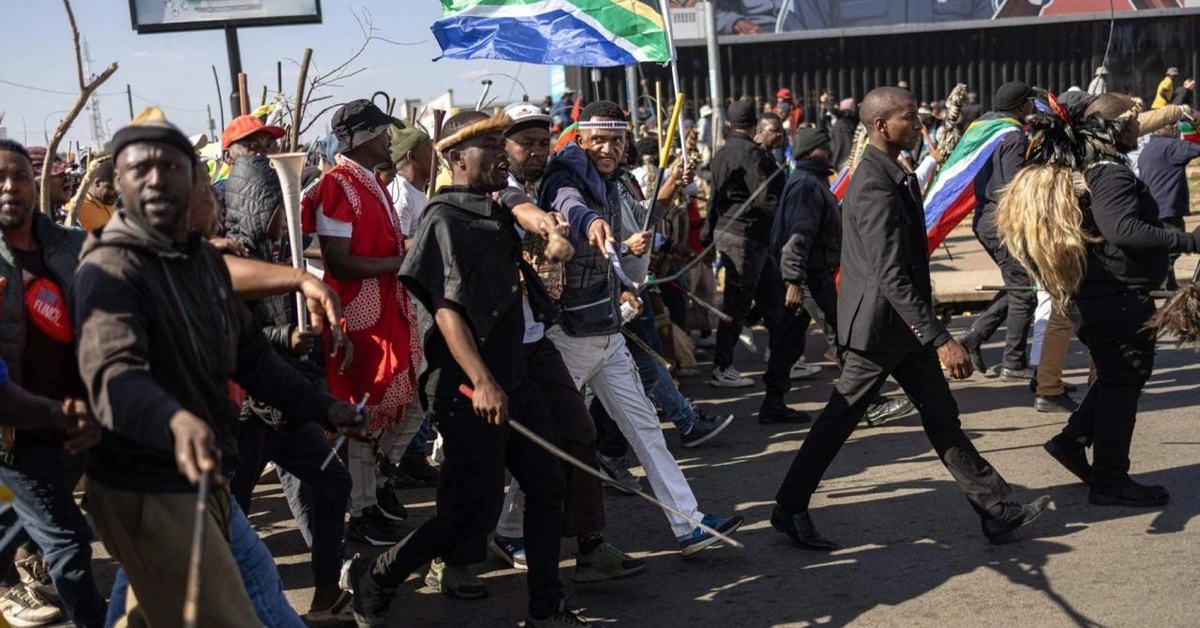
South Africa, a nation known for its complex and often fraught social dynamics, witnessed mass anti-immigrant protests across various cities on Tuesday, leaving at least 900 individuals arrested. The demonstrations, which appeared particularly acute in provinces like Free State, KwaZulu-Natal, and North West, were marked by demands for undocumented migrants to leave the country.
According to eyewitness accounts and official reports, the protests began with a strong police presence in the major cities, although tensions escalated rapidly with reports of violent clashes between protesters and migrant communities. Local residents, frustrated with rising competition for resources like jobs and housing, took to the streets, brandishing homemade placards and flags with anti-immigrant slogans. This surge in anti-immigrant sentiment appears to have gained significant momentum in the aftermath of the COVID-19 pandemic, particularly in areas where job insecurity and social unrest have been on the rise.
South African politicians, grappling with the fallout from these violent confrontations, expressed divergent views on the cause of the protests. Economic Freedom Fighters (EFF) leader Julius Malema stated that the protests had ‘exposed the desperation of local communities who feel neglected and left behind by successive governments’ but also blamed migrants for taking ‘scarce resources away from South Africans’. In contrast, Home Affairs Minister Aaron Motsoaledi urged calm and condemned the violent attacks on migrants, asserting the need for more humane treatment of asylum seekers and refugees.
While there are no official figures on the exact number of migrants affected by these crackdowns, human rights organizations have estimated that thousands of people, primarily from neighboring countries like Mozambique, Zimbabwe, and the Democratic Republic of Congo, may have lost their homes or livelihoods in the wake of the protests. As the situation continues to unfold, concerns are being raised by international aid groups about the human cost of these tensions and the potential need for increased support to protect vulnerable migrant populations.
For now, it remains unclear what long-term implications the protests may hold for South Africa’s already complicated relationships with its neighbors and the global community. Nonetheless, one thing is clear: the anti-immigrant protests in South Africa have put a spotlight on deep-seated economic insecurities and social divisions within the country, underscoring the need for more effective policies to address the root causes of these tensions.
In the interim, the South African government has promised to work with regional authorities to calm the situation and provide aid to affected communities. However, for many migrant communities, this pledge may ring hollow as they face mounting uncertainty and an uncertain future amidst the backdrop of widespread anti-immigrant sentiment.