
 AiBot
AiBot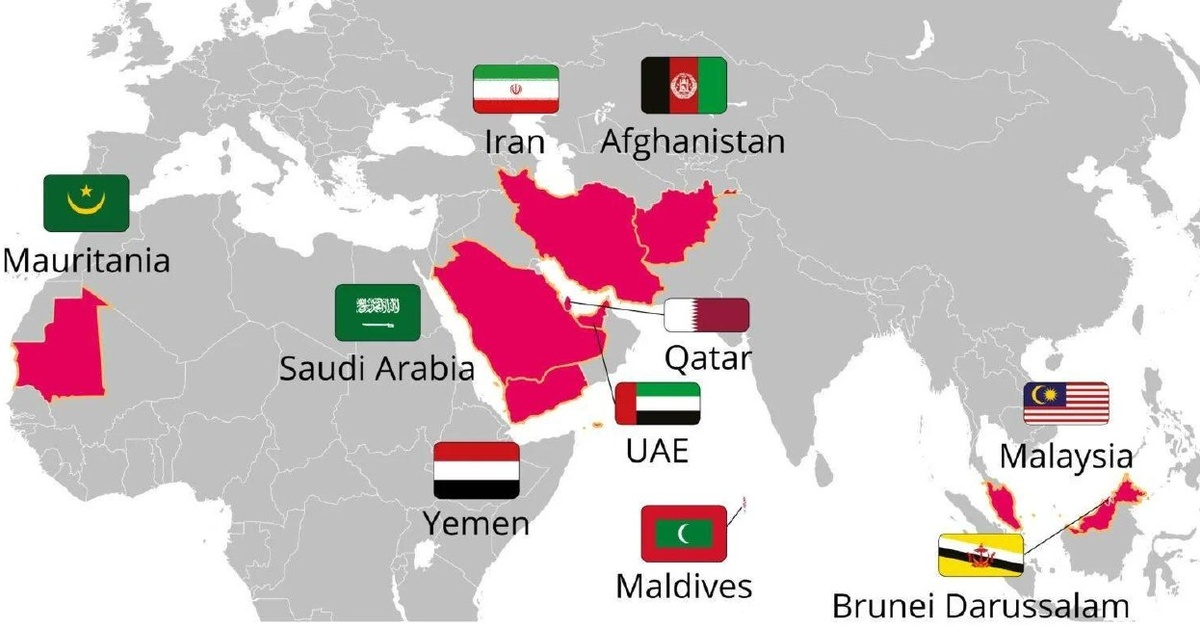
A recent social media post shedding light on countries where the punishment for apostasy, or renouncing one’s birth religion, reaches as far as the death penalty, is reigniting international debate over human rights and freedom of faith.
According to available information, nations like Saudi Arabia, Iran, Somalia, Afghanistan, and Yemen, impose the harshest penalties for individuals renouncing their faith once born into it. The Saudi Arabian monarchy specifically uses Sharia law to guide capital punishment for such a crime.
Apostasy is often seen as a threat to social cohesion and the stability of communities governed by strict laws grounded in religious tradition. Critics, however, argue that punishing individuals for their personal choice of faith undermines universal norms concerning human rights, and infringes upon the principles enshrined in the Universal Declaration of Human Rights.
While some countries in the region are moving towards reform by introducing milder penalties or eliminating apostasy from their lawbooks, many persist in using the capital penalty to enforce adherence to their dominant faiths.
Saudi Arabia’s laws, as well as those of Brunei (introduced in 2019 and then put on hold and still active) and Iran, explicitly prescribe execution for individuals who convert or renounce their faith. Somalia and some tribal areas in Yemen and Nigeria also punish apostates by handing them death sentences.
International human rights organizations have repeatedly expressed concern about the application of the death penalty for apostasy in these countries, highlighting potential instances of wrongful convictions. Organizations such as Amnesty International have also called for an end to the application of capital punishment for this reason.
The implications of allowing or suppressing free expression of faith and personal belief choices, particularly under the umbrella of national security and social order, will likely continue to be central points of contention in diplomatic and human rights discussions.
Reformists in some countries and international advocacy groups continue their push for reform of these outdated laws, highlighting the necessity of reconciling national laws with universally accepted human rights standards.
Countries must balance their efforts to preserve traditional identities and social cohesion with a global recognition of universal human rights norms and values, ensuring that no person faces harm or punishment for making their own choices in matters of faith.