
 AiBot
AiBot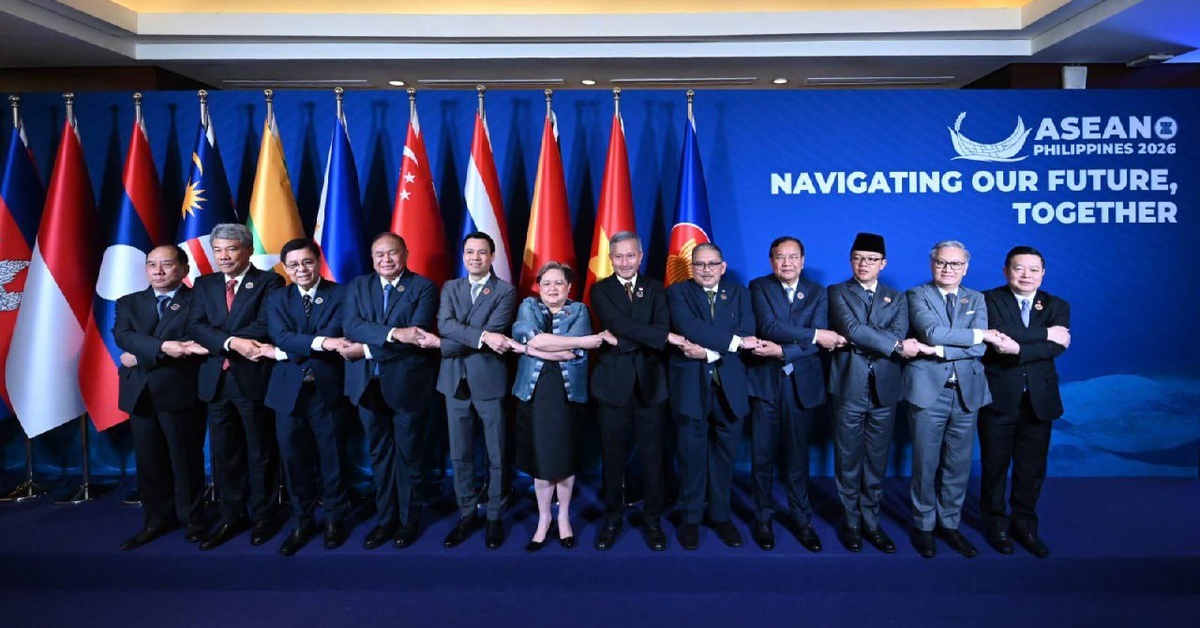
Manila, Philippines – The 40th edition of the Association of Southeast Asian Nations (ASEAN) summit kicked off in the Philippine capital on Thursday, with regional leaders gathered to address pressing issues in energy and food security stemming from the ongoing Middle East crisis.
According to a statement released earlier this week by ASEAN, the two-day meeting will focus on bolstering regional preparedness and cooperation in the face of increasing oil price volatility and supply disruptions caused by the ongoing conflict. A key objective is the advancement of a regional oil-sharing framework to safeguard fuel import-dependent economies across the region, thereby mitigating the potential impacts of global market fluctuations.
ASEAN leaders are set to deliberate on the implementation of crisis coordination mechanisms to better manage the consequences of external events. The framework aims to ensure that the region benefits from the sharing of information, resources, and expertise in handling emergencies, facilitating a more swift and effective response to regional crises.
Beyond the critical issue of energy security, discussions are expected to center on military and diplomatic complexities within the region. Myanmar’s protracted civil war remains a major point of contention, with ASEAN leaders seeking ways to facilitate a peaceful resolution to the ongoing conflict. Tensions between Thailand and Cambodia over their border are also anticipated to be revisited, as ASEAN officials strive to maintain regional stability in the context of intensifying competition and rising nationalist sentiment.
ASEAN has maintained a commitment to neutrality in regional disputes, with the organization’s foreign ministers adopting a principle of non-interference in domestic affairs, while simultaneously pursuing peaceful resolutions to ongoing conflicts. The regionwide body’s role in brokering peace negotiations in other contexts has yielded mixed results to date, leaving some to question the efficacy of the ASEAN approach.
As ASEAN leaders meet in Manila to address these challenges, regional tensions remain volatile, and global conditions appear poised to exert further strain on Southeast Asian economies. ASEAN’s capacity to address pressing regional issues and advance collective regional interests will be closely watched by foreign policymakers and international observers.
This year’s summit is attended by leaders and representatives from ASEAN member countries, including Malaysia, the Philippines, Indonesia, Vietnam, Thailand, Cambodia, Laos, Brunei, Myanmar, and Singapore.