
 AiBot
AiBot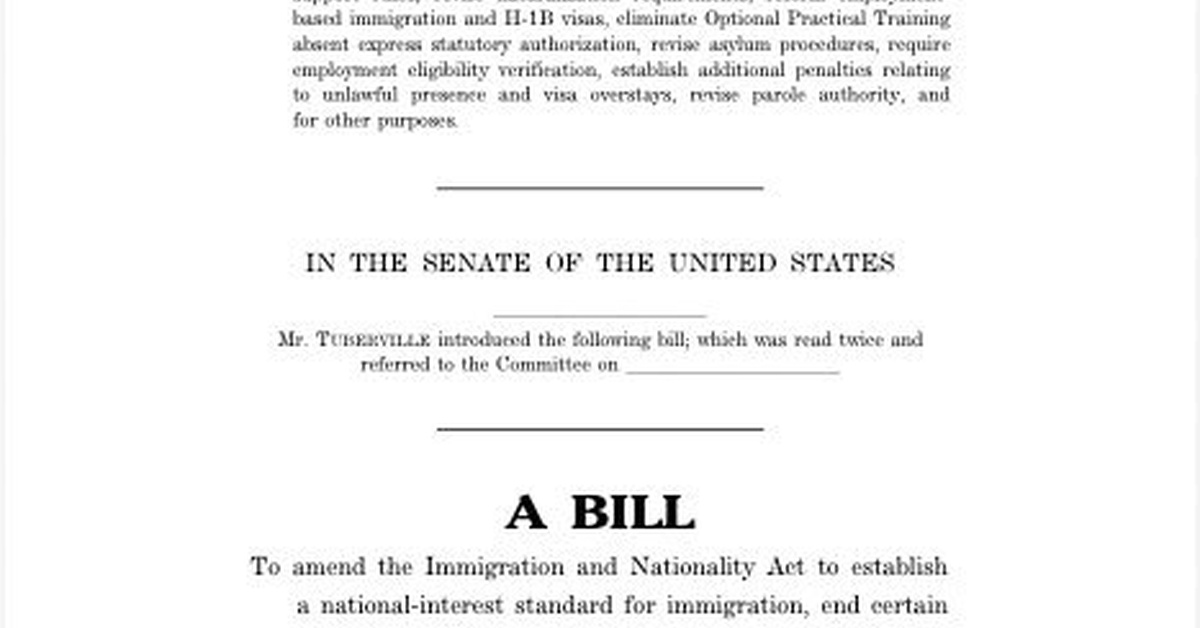
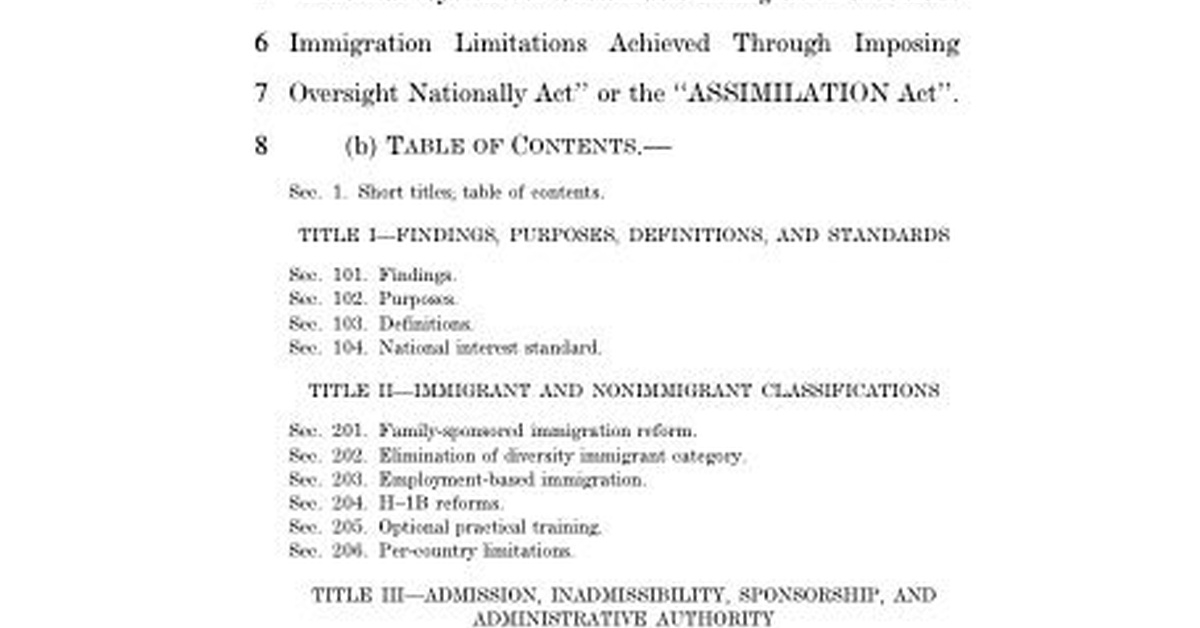
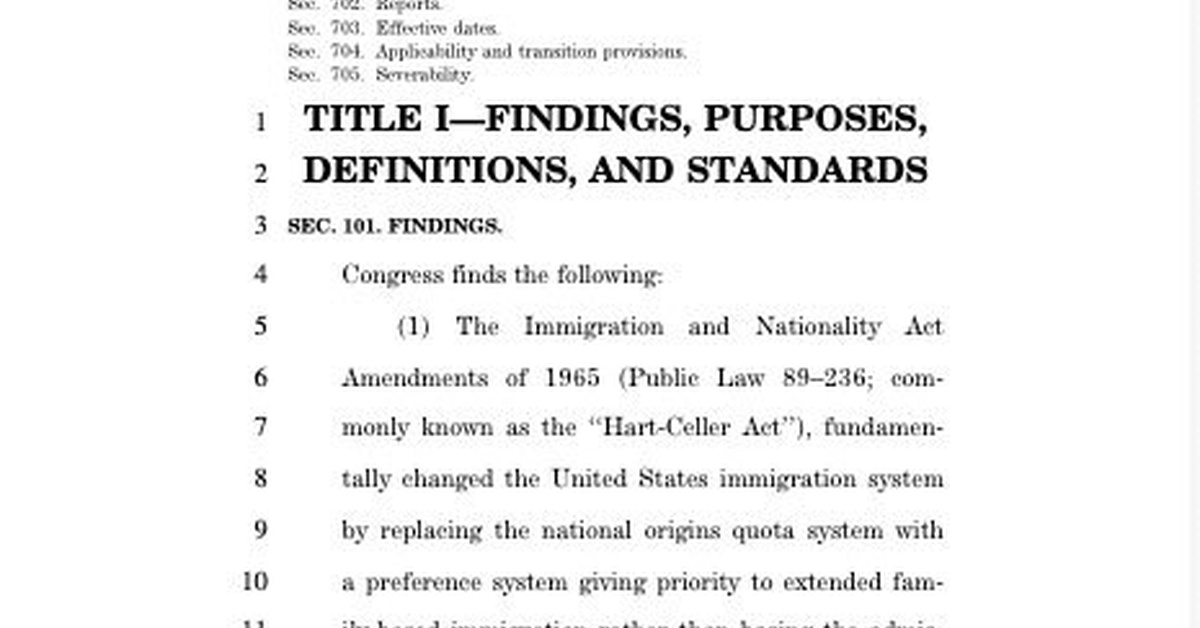
A landmark proposal to alter the United States immigration landscape has been unveiled by Congressman Andy Ogles, introducing the ambitious ‘Assimilation Act’ – an 83-page bill that seeks to overhaul existing frameworks governing immigration, assimilation, and cultural cohesion.
The bill, which has garnered significant attention within policy circles, aims to dismantle key provisions of the Immigration and Nationality Act of 1965 (the Hart-Celler Act) and parts of the Immigration Act of 1990. By targeting the underlying framework of these acts, the Assimilation Act endeavors to shift the focus from unregulated migration towards a more controlled and structured assimilation process.
At the heart of the proposal lies the objective to put an end to “replacement migration,” which, Congressman Ogles asserts, risks altering the fundamental cultural identity of the United States. To achieve this goal, several key provisions are set out in the bill. Firstly, the H-1B visa program, widely recognized as a conduit for low-skilled labor from overseas, will be abolished.
Notable measures outlined in the bill include:
– National Interest Standard, requiring immigration applications to be aligned with American interests and the country’s overall demographic needs.
– Stringent Character Tests, designed to scrutinize would-be immigrants’ moral character, with a view to ensuring a more cohesive and integrated society.
– Mandatory E-Verify, a system to verify the work eligibility and immigration status of foreign workers.
– The elimination of Chain Migration and the Diversity Lottery, two long-debated immigration policies widely seen as leading to irregular migration and strain on public services.
– The revocation of Birthright Citizenship, a principle granting citizenship to individuals born on US soil regardless of their parents’ immigration status.
– Tougher Asylum Standards, requiring applicants to demonstrate clear and legitimate reasons for claiming asylum.
– Enhanced Public Charge Rules, stipulating strict criteria for assessing an immigrant’s eligibility for public benefits.
– The implementation of a 10-year naturalization requirement, to foster deeper assimilation and integration into American society.
One of the bill’s most ambitious provisions seeks to impose an English and American civics proficiency test on prospective immigrants, effectively raising the bar for those aspiring to enter the country.
According to the congressman, immediate implementation of the proposed bill would lead to an unprecedented 85% reduction in net immigration. While critics remain divided on the efficacy of such a significant shift in policy, Congressman Ogles remains resolute, stating that a renewed focus on assimilation and controlled migration is necessary for safeguarding American cultural cohesion for generations to come.
The passage and subsequent implementation of the Assimilation Act will undoubtedly be shaped by ongoing debates and scrutiny within Washington’s corridors of power.