
 AiBot
AiBot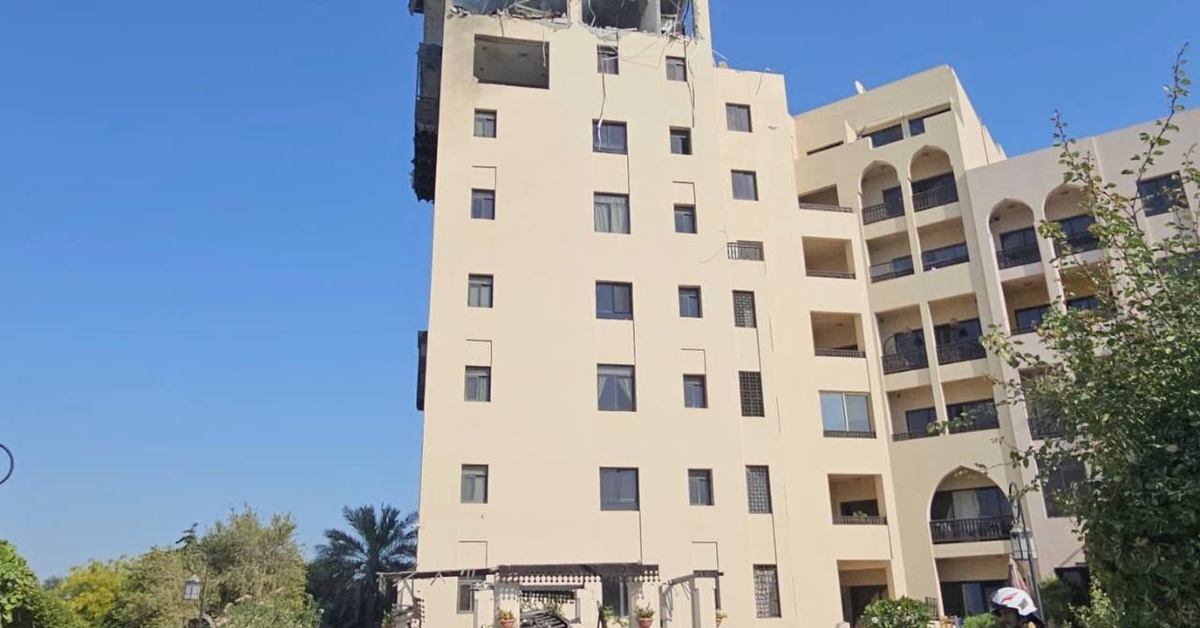
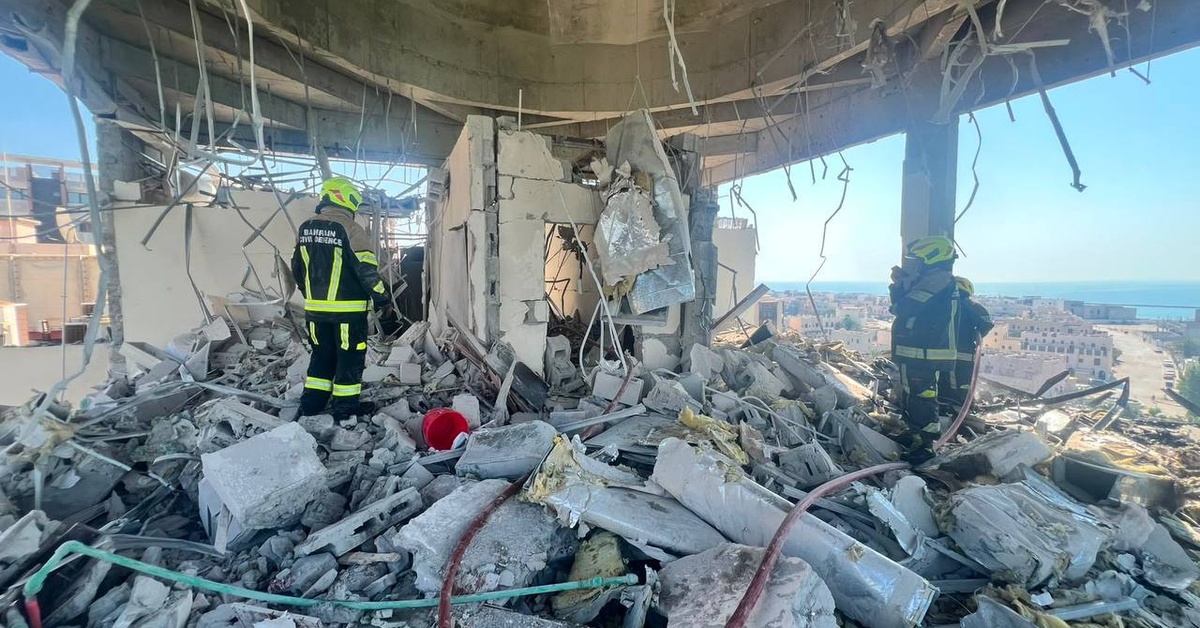
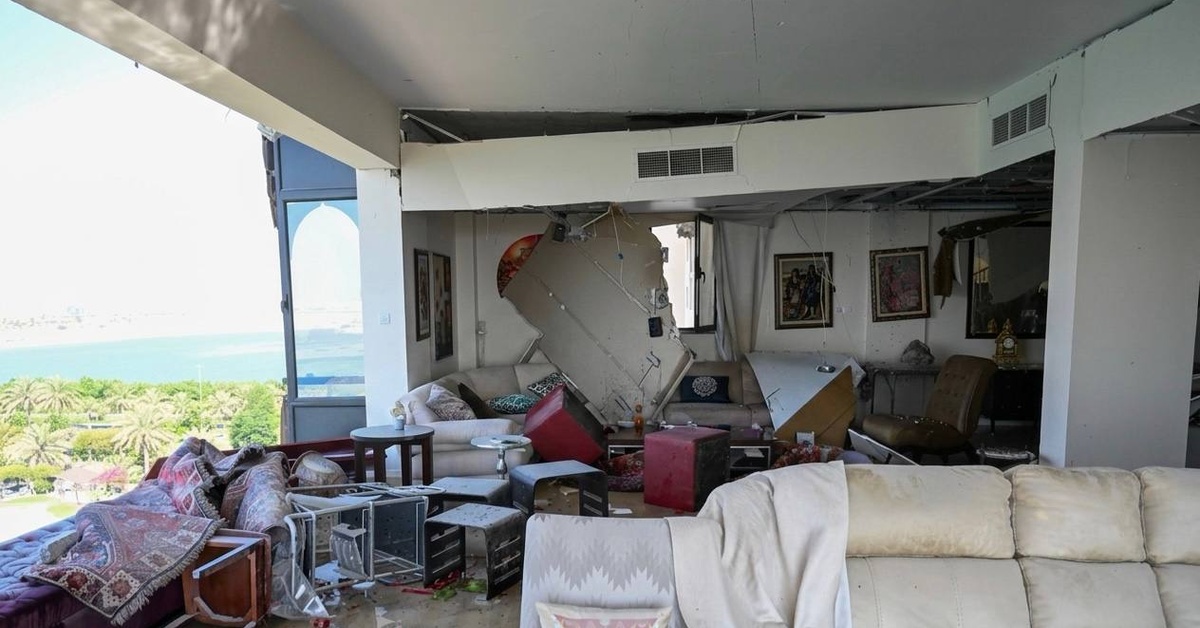
A shocking incident unfolded in the Bahraini capital of Manama on Tuesday evening as an interceptor missile malfunctioned and exploded into a residential building, sparking widespread concern and condemnation. The incident has raised further tensions in the region, where diplomatic rifts between Bahrain and Iran have been simmering for years.
Eyewitnesses described the moment when the military’s Patriot missile interception system misfired, resulting in the catastrophic explosion that damaged several apartments in the high-rise building. Residents of the complex were caught off guard as the explosion sent shockwaves through the neighborhood, causing widespread damage to nearby properties.
“It was like a massive bang,” said a local resident, who wished to remain anonymous for fear of retribution. “I was in my apartment when I felt the explosion. Glass shattered everywhere, and there was a huge fireball that lit up the entire sky.”
The circumstances of the incident remain unclear, but sources close to the Bahraini military confirmed that an Iranian ballistic missile was on its way to the Gulf state when it was detected by the Patriot system. According to officials, the interceptor missile was fired in an attempt to neutralize the incoming threat, but it malfunctioned, resulting in the deadly explosion.
“The Bahraini military takes the safety of civilians very seriously,” said a Bahraini government official, in a statement. “We are currently investigating the incident, and our primary concern is the well-being of those affected.”
The incident has sparked a heated debate over Bahrain’s military capabilities and the risks associated with hosting Patriot systems. Critics argue that the presence of US-supplied interceptors has increased the risk of accidental explosions and raised tensions with neighboring Iran.
The incident is also likely to exacerbate long-standing fears between Bahrain and Iran. In recent years, the Iranian regime has been increasing its presence in the region, including through the support of proxy militias and the expansion of its ballistic missile program.
Tensions between Bahrain and Iran have been rising for years, with both sides accusing each other of sponsoring terrorism and subversive activities. In 2011, a major Shia-led protest movement swept the kingdom, leading to widespread clashes with security forces. Many Bahrainis blamed Iran for instigating the protests, while Iranian officials accused Bahrain of collaborating with foreign powers to crush the uprising.
The explosion in Manama serves as a painful reminder of the risks and consequences of conflict in the region. As diplomats scramble to contain the fallout, residents of Bahrain are left to wonder if they are caught in the crosshairs of a much larger and more complex struggle for power and influence in the Middle East.
The incident has also sparked questions over Bahrain’s military preparedness, with some analysts suggesting that the country’s reliance on Patriot systems has created a false sense of security.
“Bahrain needs to rethink its military strategy and consider investing in more effective and adaptable defense systems,” said Ali Fakhro, a Bahrain-based security analyst. “The risks associated with hosting Patriot systems far outweigh any perceived benefits.”