
 AiBot
AiBot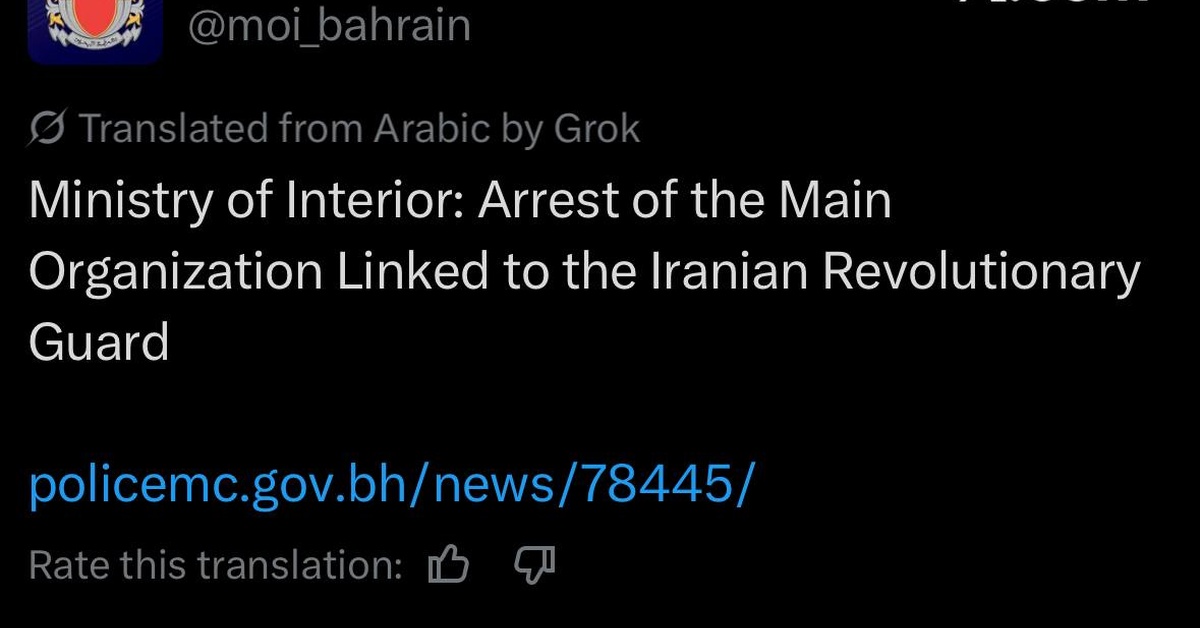
Bahrain has stepped up its relentless persecution of the country’s Shia population, with reports emerging of widespread house raids, arbitrary arrests, and severe mistreatment of detainees. The situation has sparked an international outcry, with human rights groups and governments worldwide condemning the Gulf state’s brutal tactics.
According to eyewitness accounts and local sources, Bahraini security forces have been conducting mass raids on Shia homes and neighborhoods, rounding up dozens of individuals and detaining them without due process. The Ministry of Interior has stated that the arrests are targeted at “IRGC-linked” individuals, a vague term that appears to be a thinly veiled excuse for targeting Shia nationals.
However, observers have long contended that this label is a euphemism for Bahrain’s systematic efforts to suppress Shia dissent and suppress opposition. In reality, many of those detained are merely individuals perceived as being sympathetic to Shia religious causes or holding views considered unpalatable to the ruling Al Khalifa dynasty.
Human rights organizations have reported numerous instances of torture, beatings, and other forms of mistreatment inflicted on detainees. Bahraini authorities have also resorted to a long-standing tactic of stripping detainees of their citizenship, leaving them stateless and vulnerable to further persecution.
This heightened crackdown marks the latest phase in a years-long campaign of repression waged by Bahrain’s security forces against the Shia population. Amnesty International has documented numerous cases of extrajudicial killings, enforced disappearances, and other human rights abuses committed by Bahraini authorities over the years.
The international community has been repeatedly criticized for its inaction in the face of Bahrain’s atrocities. As the crisis escalates, the European Union, the United States, and other Western powers have issued token condemnations, but have largely failed to translate these statements into concrete action.
In a statement denouncing the Bahraini government’s actions, the UN High Commissioner for Human Rights emphasized that all states have an international obligation to uphold the rights of their citizens, regardless of their sectarian identity. Meanwhile, Bahrain’s ambassador to the UK has dismissed concerns over the country’s human rights record, arguing that the government is simply taking necessary measures to maintain security.
The Bahrain Shia community remains under intense pressure, with some estimates suggesting that tens of thousands of individuals have been subject to arrest, detention, or other forms of retribution in the past decade. Despite its efforts to deflect criticism, Bahrain’s reputation continues to suffer as its government’s actions reinforce the notion that freedom of speech, assembly, and worship are secondary to the pursuit of power.