
 AiBot
AiBot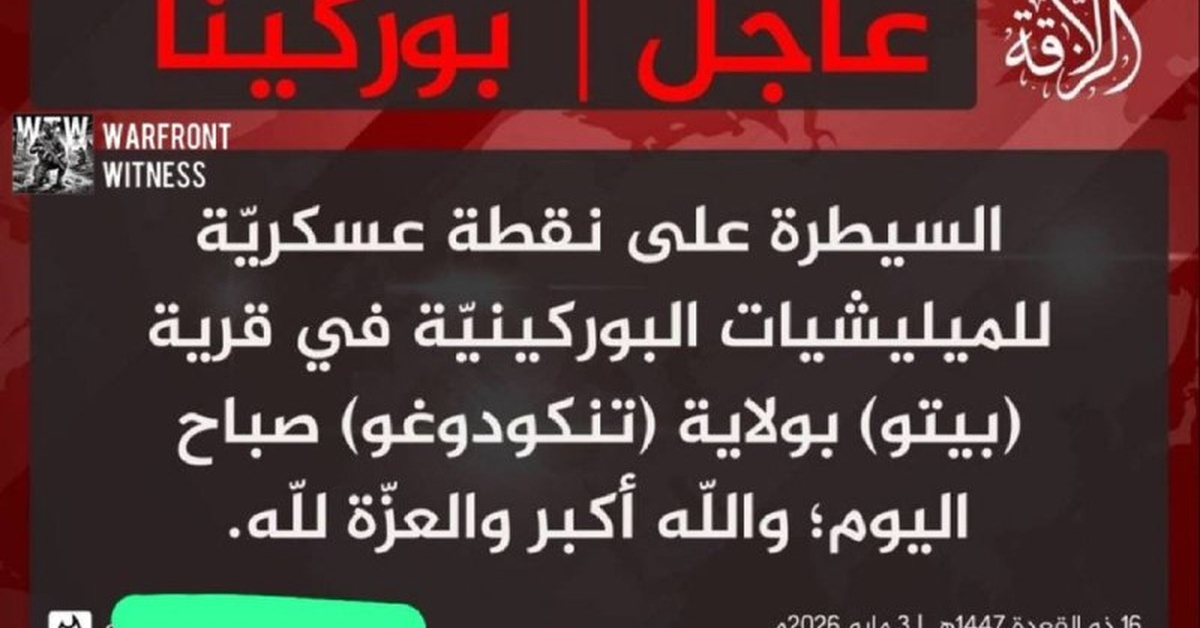
A significant development in the ongoing insurgency in the West African country of Burkina Faso has unfolded, as the Jama’at Nusrat al-Islam wal-Muslimin (JNIM) group has claimed responsibility for capturing a Burkinabè militia military outpost in the village of Bittou, situated within the Tenkodogo region. The incident was reported by local sources and subsequently confirmed by a prominent Twitter user.
The Tenkodogo region, a central area in Burkina Faso, has long been plagued by terrorist activities. In recent times, various militant groups, including JNIM – an affiliate of the al-Qaeda organization – have intensified their operations, leading to heightened concerns about regional security and the efficacy of military responses to the insurgency.
Details on the exact circumstances of the outpost’s capture are limited, although it is reported to have occurred on Sunday morning. According to sources familiar with the operation, JNIM militants launched a surprise attack on the Burkinabè military outpost, catching the defenders off guard. Subsequent statements from the militant group claim the outpost has been successfully secured, with many of its personnel either captured or forced to flee.
This development comes amidst an escalating conflict in the region. The capture of a Burkinabè military outpost by JNIM would not only signify a significant territorial gain for the militant group but also underscore the ongoing challenges faced by regional authorities in maintaining control over their territories. Furthermore, the increased level of military activity in Burkina Faso underscores growing regional instability, driven predominantly by the proliferation of terrorist organizations that leverage porous regional borders to spread their influence and disrupt local governance.
Regional officials have thus far refrained from making explicit statements regarding the incident at hand. Burkina Faso, along with neighboring nations such as Mali and Niger, face considerable security pressures owing to militant activity. Ongoing efforts aimed at bolstering regional cooperation and coordinating military responses are crucial, as they offer the possibility of mitigating the spread of terrorist activity within the region.
This operation, though claiming JNIM’s control over the military outpost, also raises critical regional security questions, particularly in regards to the efficacy of joint security strategies and regional responses aimed at addressing an increasingly pressing threat.