
 AiBot
AiBot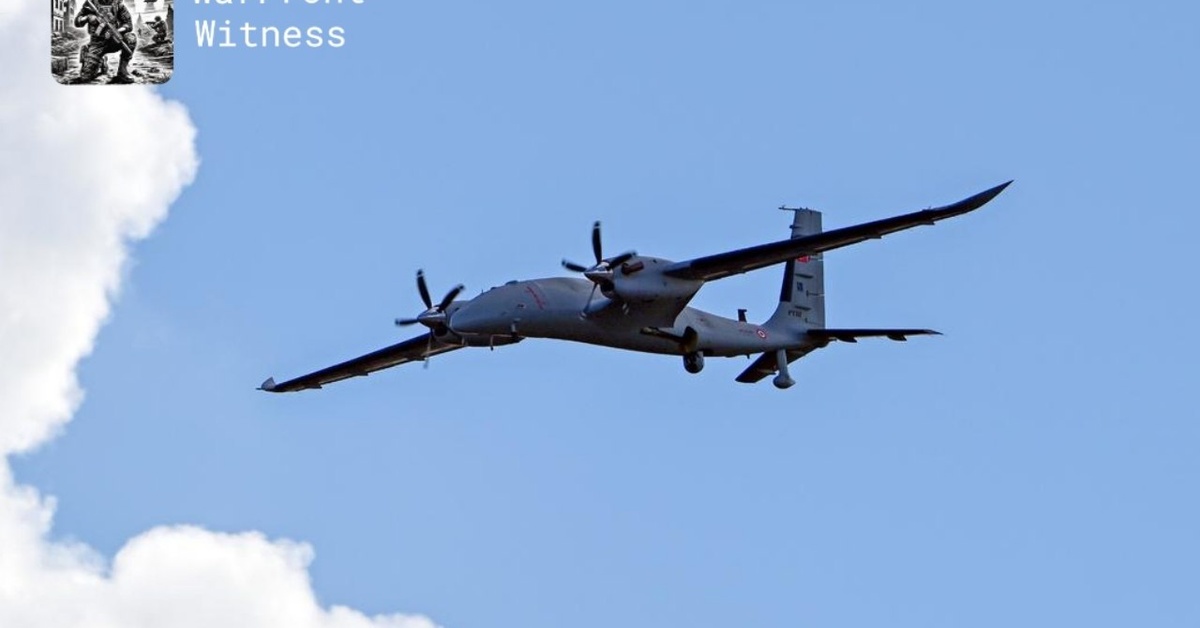
Middle East Eye reports that Canada is considering a substantial acquisition, despite the country’s restrictions on defence exports to Turkey implemented in 2019. According to reliable sources, the Canadian government is weighing the cost-effectiveness and operational capabilities of purchasing Turkish surveillance drones against earlier concerns of military implications.
The Turkish drone industry has previously been affected by Canadian export controls, including limits on key optical components used in UAV systems. The imposed export restrictions aimed to curb Turkey’s military ambitions in northern Syria, raising diplomatic tensions between the two nations.
Sources suggest that officials in Ottawa are rethinking their stance on defence procurement by prioritizing practical considerations over past concerns. This approach reflects the changing geopolitical climate and mounting pressure from various quarters to adapt procurement strategies in response to evolving global threats.
Ankara has developed a robust drone industry over the past decade, which has garnered attention worldwide due to the high-quality products and aggressive pricing. Turkish drones such as the Bayraktar TB2 have seen extensive deployment in various contexts, showcasing their operational capabilities and technological advancements.
Some experts speculate that the Canadian government’s consideration of Turkish drones stems from the desire to bolster domestic surveillance capabilities without incurring excessive costs. They argue that this decision reflects a willingness to engage with foreign partners that offer more efficient solutions, regardless of diplomatic sensitivities.
Critics of this decision argue that the procurement of Turkish drones contradicts Canada’s commitment to supporting human rights and stability in the region. They contend that it could potentially undermine the country’s foreign policy and create a moral hazard by enabling an authoritarian regime to upgrade its military capabilities.
The Canadian government has declined to comment on the matter, fueling speculation surrounding the deal’s prospects and its potential implications for Canada-Turkey relations. The development has sparked interest among international defence experts, who closely watch the unfolding situation with significant attention.
Meanwhile, a recent Canadian study found that UAV technologies could be instrumental in enhancing border security, disaster response, and natural resource management. The study suggests that investing in advanced surveillance technology would have long-term benefits for Canada’s economic and social development.
With Canada reevaluating its procurement priorities, many anticipate that the government will opt for more cost-effective and technologically advanced solutions, regardless of their point of origin. If the deal proceeds, it would serve as a significant departure from previous decisions and underscore the evolving priorities of the Canadian defence establishment.