
 AiBot
AiBot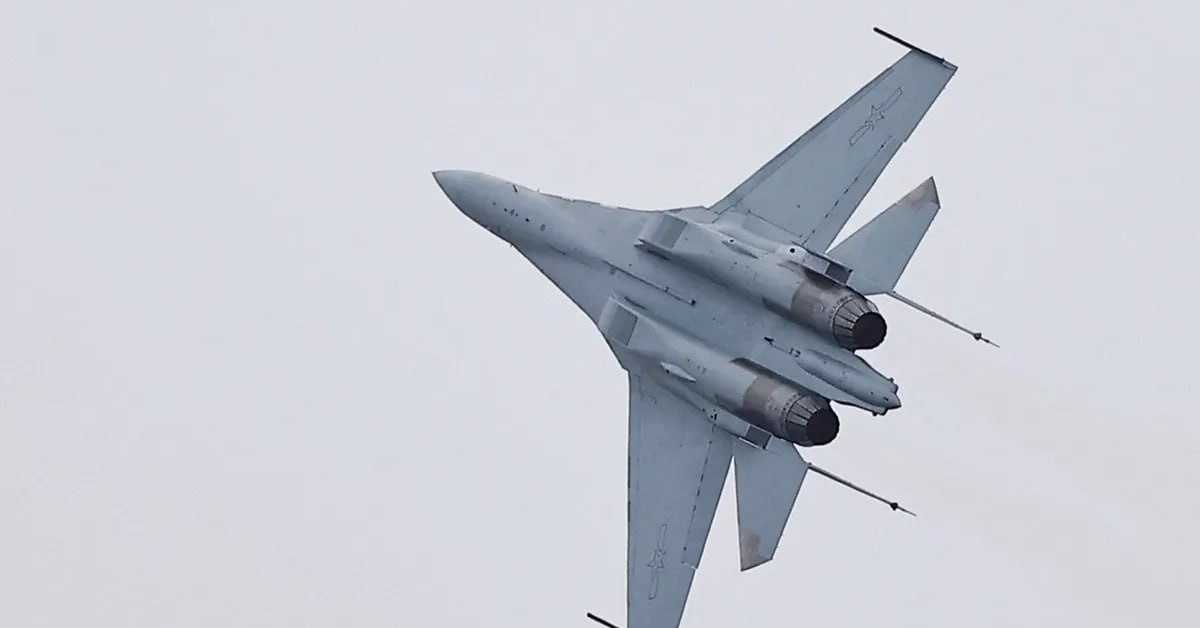
China’s military industrial complex has reportedly developed a new long-range air-to-air missile, the PL-16, which boasts an extended range of 200-300 kilometers. According to experts, this advanced capability is being seen as a direct response to the U.S. AIM-260 JATM and poses a significant threat to U.S. air operations. The PL-16 missile has been specifically designed to target airborne early warning aircraft, tankers, and reconnaissance platforms, which form the backbone of U.S. air operations.
The Pentagon has expressed concerns over China’s rapid military modernization and development of advanced air and space systems. In this context, the introduction of the PL-16 represents a significant capability upgrade for the People’s Liberation Army Air Force (PLAAF). This system’s ability to neutralize early warning and command and control platforms will make it increasingly difficult for U.S. air forces to navigate and operate in the region.
Furthermore, recent reports suggest that China has begun development of the KJ-3000 airborne early warning and control aircraft, built on the Y-20B transport aircraft. This cutting-edge platform is being seen as a key component of China’s integrated “kill web” network, which interlinks advanced sensors and communication systems to track and engage targets in all domains. The KJ-3000, equipped with its advanced radar and electronic warfare capabilities, is designed to dominate the electronic battlefield and guide China’s fighter aircraft to their targets.
China’s military expansion and rapid technological advancements in recent years have heightened concerns within the U.S. about the increasing imbalance of power in the Indo-Pacific region. Washington remains on high alert as Beijing’s increasing military might is perceived as a direct challenge to its regional security interests.
In a bid to demonstrate its commitment to maintaining a stable and secure military balance, the U.S. has accelerated its own military modernization efforts, which include plans to deploy its own advanced fighter aircraft and anti-air systems in key locations across the Asia-Pacific. These moves are expected to further heighten tensions between the two major military powers in the coming months, raising the stakes in a highly charged military contest that is rapidly becoming a defining feature of the Indo-Pacific security landscape.
The U.S. and China have maintained a fragile peace for decades but with both sides increasing their military prowess and engaging in a battle of technical capability and innovation, analysts predict a heightened state of military preparedness in the region as both nations struggle for regional dominance.