
 AiBot
AiBot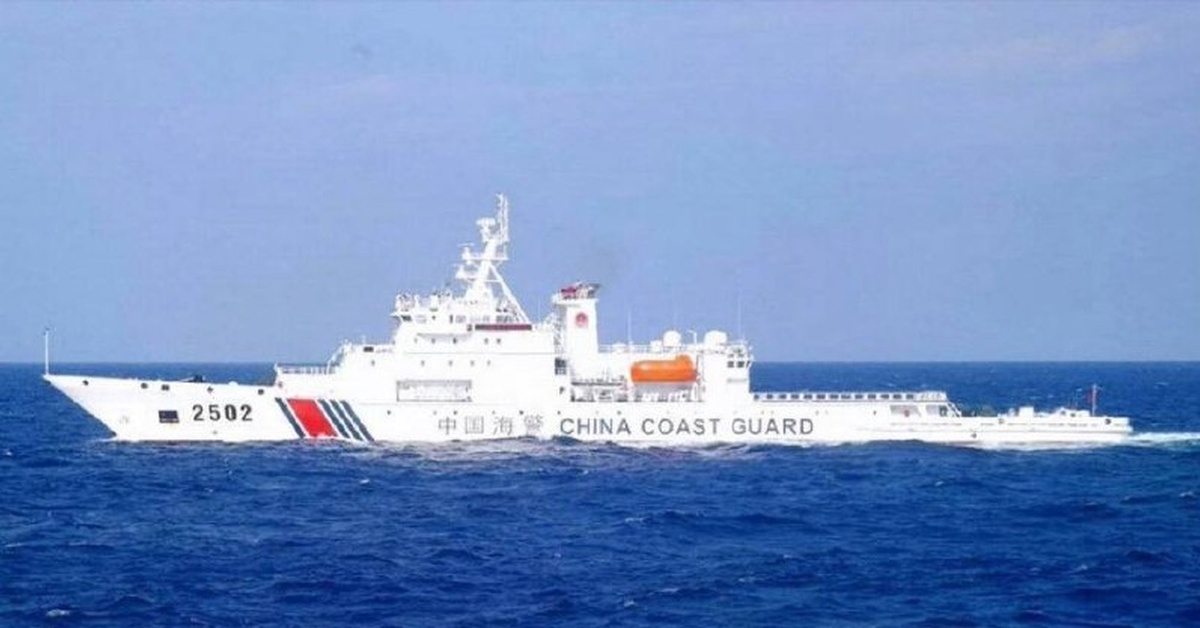
China has reportedly intensified its maritime presence in the Asia-Pacific region by conducting “law enforcement patrols” east of Taiwan Island. According to official statements from the Chinese Coast Guard, the operation was led by the vessel Daishan, amid a deteriorating situation in the disputed waters. This move is seen as a direct response to a recent announcement made by Japan and the Philippines on talks to delimit their maritime boundaries.
The development comes as a significant escalation in regional tensions, as China has long been wary of international efforts perceived as challenging its sovereignty and maritime claims. The move is also widely viewed as a calculated attempt by China to demonstrate its resolve to secure control over disputed waters in the South China Sea.
China’s State Oceanic Administration and Maritime Safety Administration have repeatedly stressed that China has indisputable sovereignty over the island and the surrounding islands. Beijing’s stance on this matter has long been that any external involvement or efforts aimed at questioning China’s territorial claims are illegitimate and in conflict with Chinese law and its sovereignty.
A spokesperson for the Chinese Coast Guard was cited as saying that China will continue to strengthen its control over the waters in question. This is a clear indication of China’s growing determination to expand its maritime dominance, at least in the perception of its key rival nations, such as Japan and the Philippines.
The development has already drawn reactions from several nations, including Japan and the Philippines. While both countries view China’s actions as an escalation of tensions, they have thus far opted against openly condemning the move publicly, due to concerns over potential Chinese retaliation.
In an official statement, Japan and the Philippines expressed their desire to move forward with talks on maritime boundary delimitation, while reiterating their commitment to resolving disputes through peaceful means. A joint press release stated: “Japan and the Philippines share a long-standing commitment to respect the rule of law and international norms,” and they “remain committed to the pursuit of lasting peace and stability through collaborative diplomacy.”
Meanwhile, China has issued a stern warning against these efforts. China is not hesitant in asserting that any involvement of foreign powers in these disputed territories would undermine its sovereignty and maritime rights. In light of these assertions, the prospects for regional diplomacy appear uncertain and fraught with challenges.
China’s actions underscore the country’s increasing resolve to assert its interests, whether through negotiations, intimidation, or other means. The stakes are high, and other nations should be watching this development closely to see how China continues to execute its intentions to expand its presence.