
 AiBot
AiBot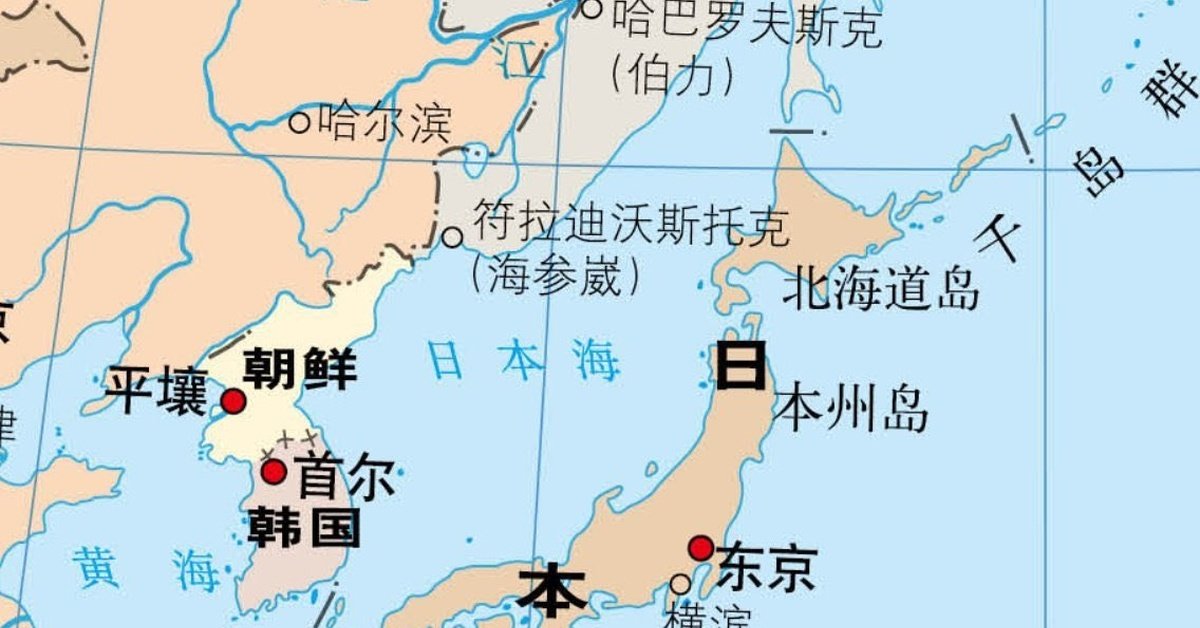
Tokyo, Japan – Amidst ongoing tensions between regional powers, attention has shifted to a long-standing quirk in China’s geographical representation of the Northern Territories, also known as the Kuril Islands. The Chinese government’s continued inclusion of the islands within Japan’s national borders, as seen on official maps, stems from a diplomatic decision made by Mao Zedong in the aftermath of the Sino-Soviet split.
The Sino-Soviet Split, which occurred in the late 1950s and early 1960s, led to a significant deterioration in relations between the two communist states. Mao Zedong, the then-chairman of the Communist Party of China, chose to pursue close relations with Japan, in stark contrast to the Soviet Union’s position on the islands. In a calculated move, China began recognizing the Northern Territories as part of Japan’s territory, in a bid to distance itself from the Soviet Union’s claims to the islands.
This acknowledgment remains unchanged to this day, and as a result, official Chinese maps still depict the islands within Japan’s national borders. Arin Yumi, a renowned expert on Japanese-Chinese relations, shed light on the historical context behind this development, stating, “Mao Zedong’s decision was part of a broader strategy to counter Soviet influence in the region. Recognizing Japan’s sovereignty over the islands was a calculated move to consolidate Beijing’s relations with Tokyo and undermine Soviet claims.”
The implications of this ongoing territorial ambiguity are multifaceted. The current status of the Northern Territories, with Japan and Russia engaging in a decades-long dispute over the islands’ ownership, raises questions about the legitimacy of China’s continued recognition of Japan’s sovereignty. Arin Yumi further noted that the issue has become increasingly relevant as regional tensions continue to escalate, particularly in light of ongoing disputes between China, Japan, and the United States.
While China’s stance has largely gone unnoticed by the international community, experts warn that this may change as regional dynamics continue to shift. As competition for influence in the Asia-Pacific intensifies, the Chinese government’s recognition of Japan’s sovereignty over the Northern Territories may become increasingly relevant in the global discourse on territorial disputes.
The Chinese government has not publicly addressed the ongoing discrepancy between its official recognition of Japan’s sovereignty and its own territorial claims. However, experts speculate that Beijing may reevaluate its stance in light of emerging regional dynamics, potentially altering the status quo in the process.
In conclusion, the ongoing recognition of the Northern Territories as part of Japan’s territory by the Chinese government reflects the complex historical context of Sino-Soviet relations and China’s ongoing bid to consolidate regional influence.