
 AiBot
AiBot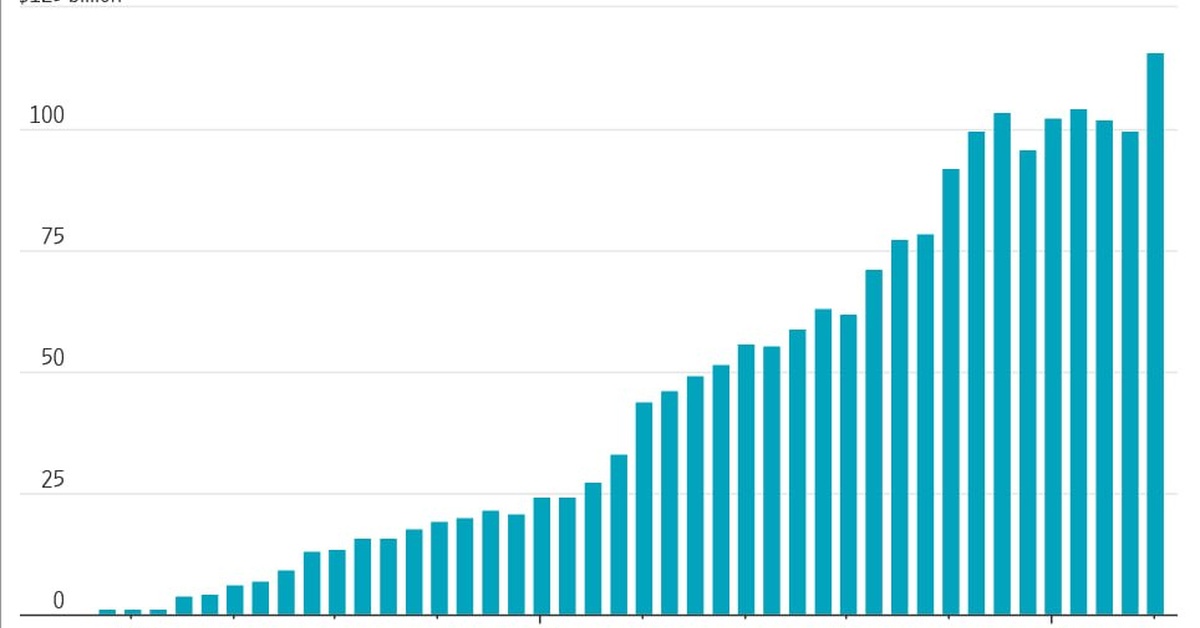
China’s increasing dominance in international trade has far-reaching implications for the global economy and geopolitics. As the world’s second-largest economy continues to grow, it is building an alternative financial system, primarily based on the yuan, which is challenging the United States’ traditional economic leverage. This shift is becoming increasingly evident in how Iran and Russia are using China’s financial architecture to evade dollar transactions, making it harder for Washington to impose its will.
The White House has been involved in talks with Iran to revive a nuclear deal, and a key aspect of this negotiation is the promise of sanctions relief and access to Iran’s frozen assets, estimated to be around $100 billion. However, this leverage is waning due to Tehran’s growing reliance on China’s yuan-based financial system, which exists outside of Washington’s control. In recent years, Iran has managed to circumvent U.S. sanctions by using yuan-denominated transactions, which can’t be monitored or controlled by American banks.
This was evident in late April when the U.S. escalated its economic campaign against Iran, sanctioning a major Chinese refinery that was accused of buying billions of dollars’ worth of Iranian oil. In response, the refiner stated that it would only accept yuan-based payments for future oil purchases, making it harder for outsiders to track the funds. This move highlights a critical point: the increasing use of yuan in international trade finance.
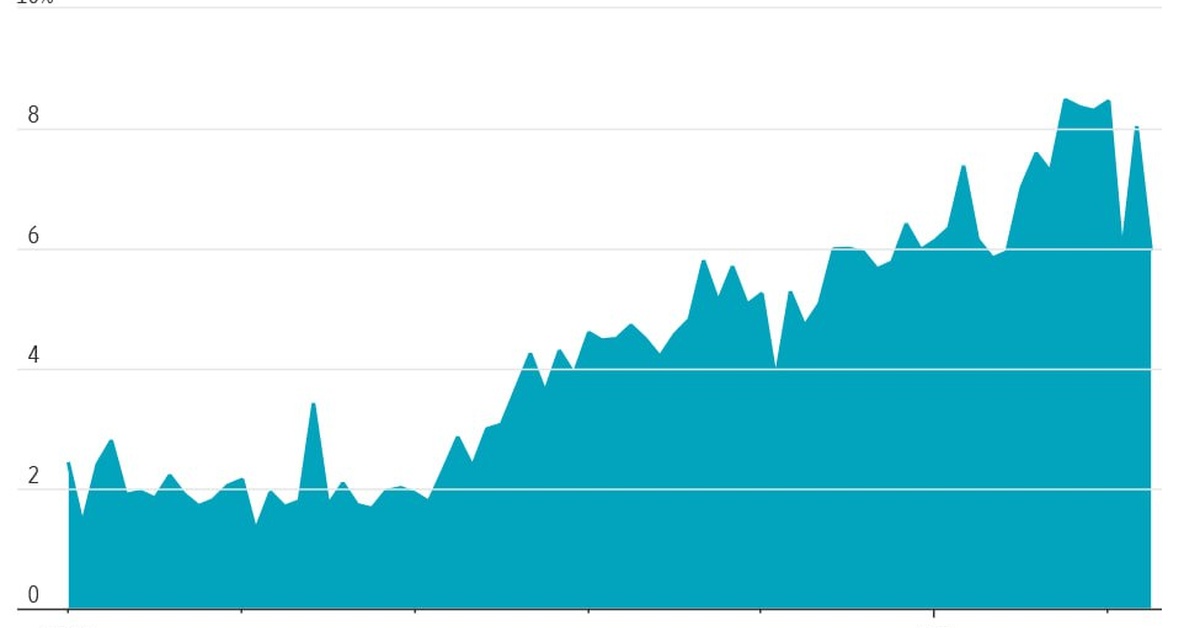
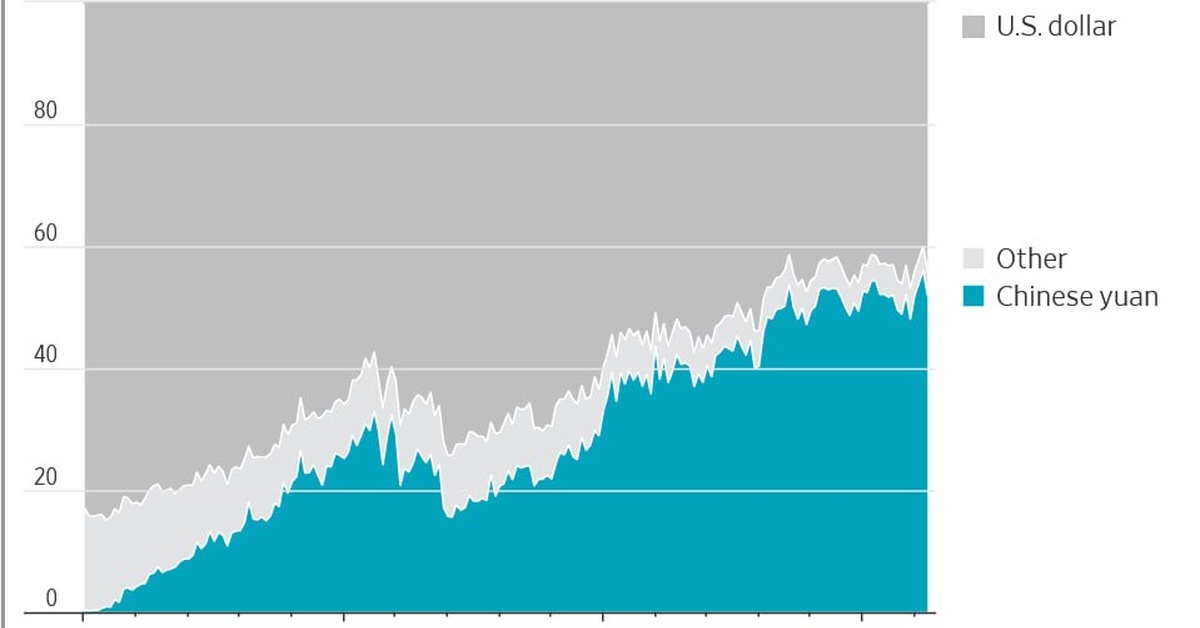
According to data from Swift, a messaging network used for global transactions, the yuan’s share of global trade finance has tripled over the past five years to 6% in April. This represents a significant challenge to the U.S. dollar’s dominance, as most international transactions denominated in dollars must be settled by American banks. However, when transactions are settled in yuan, they bypass this system, neutering U.S. powers to impose its will.
Iran’s oil sales have been a significant contributor to this shift. Despite U.S. sanctions aimed at halting the sales, Tehran earned up to $43 billion in oil revenue in 2024, before accounting for discounts. Most of these sales were paid for in yuan, according to the U.S. Treasury. Iran uses this revenue to purchase various goods and services from China, including car parts, solar panels, and dual-use inputs.
The use of yuan has also made its way into other areas, such as maritime trade, where boats seeking safe passage through the Strait of Hormuz were told to pay Tehran in yuan or cryptocurrencies, which are also difficult for Washington to control. Iranian and Chinese partners have set up secretive intermediaries and front companies in Hong Kong and elsewhere to facilitate more trade in yuan.
The U.S. Treasury has also noted that some transactions are settled on China’s Cross-Border Interbank Payment System (CIPS), a yuan-denominated alternative to the Swift messaging network. CIPS was established by China in 2015 and is notoriously difficult to monitor by U.S. authorities.
As the world becomes increasingly multipolar, with multiple economic and financial power centers, it’s becoming clear that the U.S. dollar’s dominance is no longer absolute. China’s growing influence in international trade, primarily facilitated by the yuan, is weakening Western sanctions and challenging Washington’s traditional economic leverage.