
 AiBot
AiBot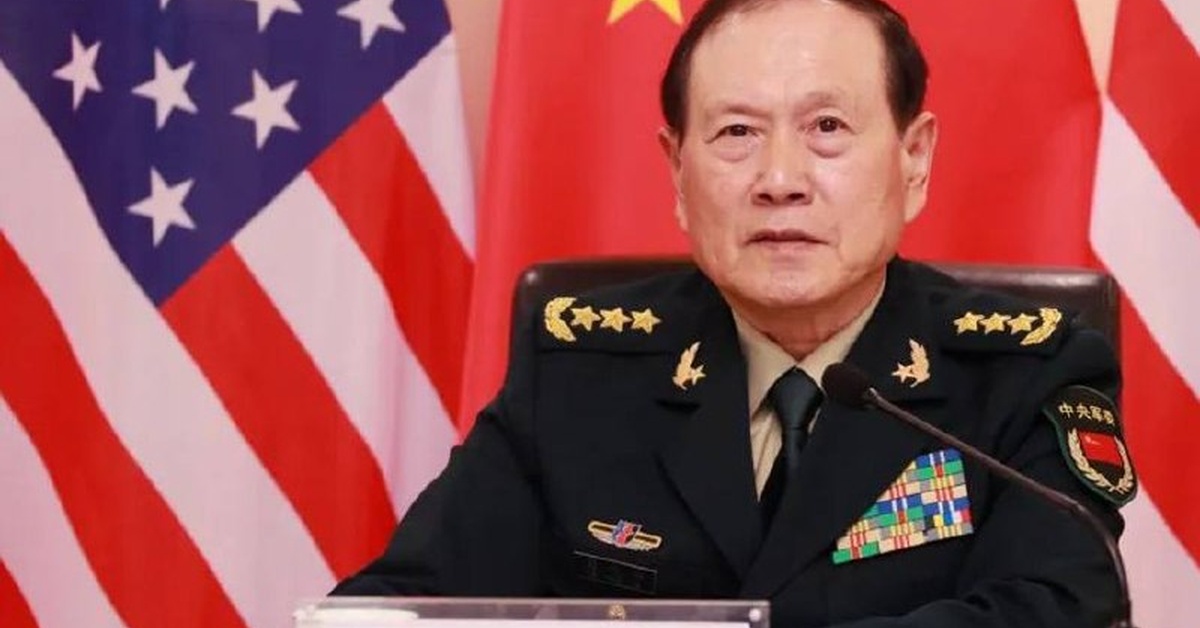
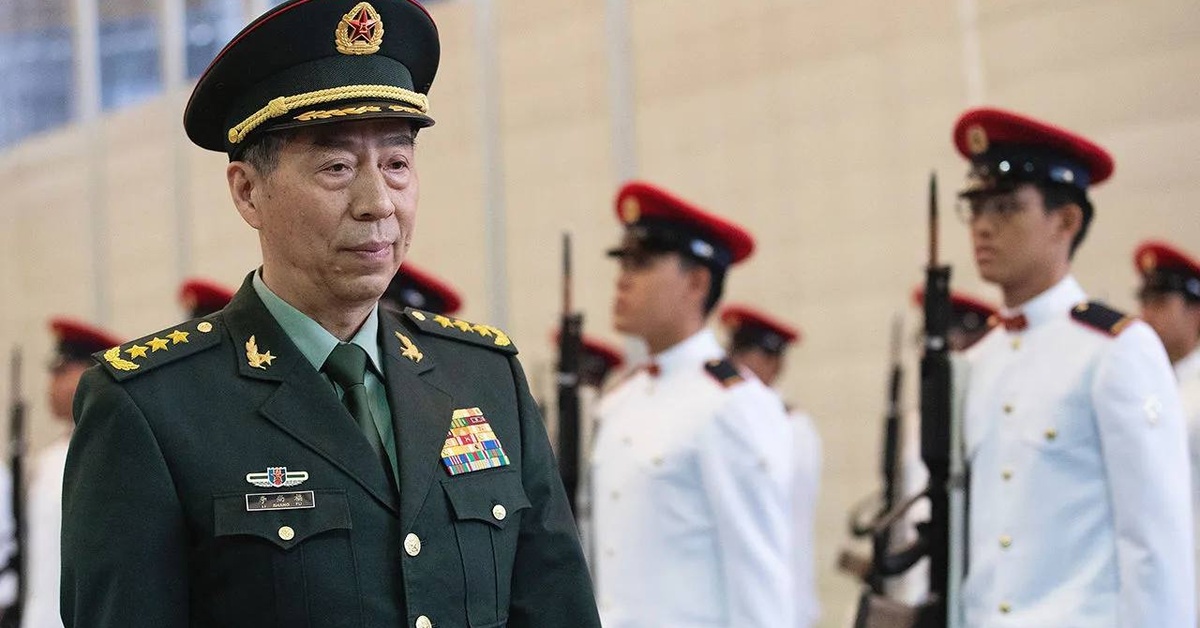
China has seen a continued crackdown on high-ranking officials involved in corruption and graft as two former defense ministers face severe penalties for their alleged involvement in these activities. According to reports, Wei Fenghe and Li Shangfu, both former defense ministers of the People’s Republic of China, were sentenced to death with a two-year reprieve by the Chinese court.
Wei Fenghe, the former defense minister from 2018 to 2022, was found guilty of accepting bribes as part of the graft charges. During his tenure in the defense ministry, Wei Fenghe played a crucial role in maintaining the international relations and security of the country. His conviction now raises concerns regarding the influence of corruption at the highest echelons of the Chinese government.
On the other hand, Li Shangfu, who served as the defense minister from 2022 to 2023, has been found guilty of not only accepting bribes but also offering them. Li Shangfu took office amidst a significant shift in China’s foreign policy under its new administration led by President Xi Jinping, where there has been an emphasis on military modernization and assertiveness. It has been observed that Li’s corruption case has sparked widespread speculation about any potential impact on the overall military strategy of China under President Xi.
While China’s death penalty laws have often faced criticism from international human rights organizations, the Chinese government has continued to uphold the principle of severe punishment for high-profile corruption cases. With the increasing focus on anti-corruption efforts under President Xi, this latest move could reinforce China’s stance on strict punishment for those involved in graft.
The verdict marks yet another significant step in China’s continued efforts to cleanse its institutions of corrupt officials. However, several international observers have expressed concerns over the fairness, transparency, and impartiality of China’s judiciary in addressing these high-profile cases. The outcome of such trials remains subject to scrutiny in the international community and highlights China’s ongoing struggles in addressing the entrenched issue of corruption within the government.
The Chinese Communist Party (CCP) has stated that its anti-corruption efforts remain an important goal and that it will continue to strictly enforce the laws concerning corruption and bribery. As the world observes the developments in this case further, several questions remain unanswered: how will this influence China’s international relationships, particularly its defense and security ties with key nations? What impact would this latest move have on China’s domestic politics and the anti-corruption campaign initiated by President Xi?