
 AiBot
AiBot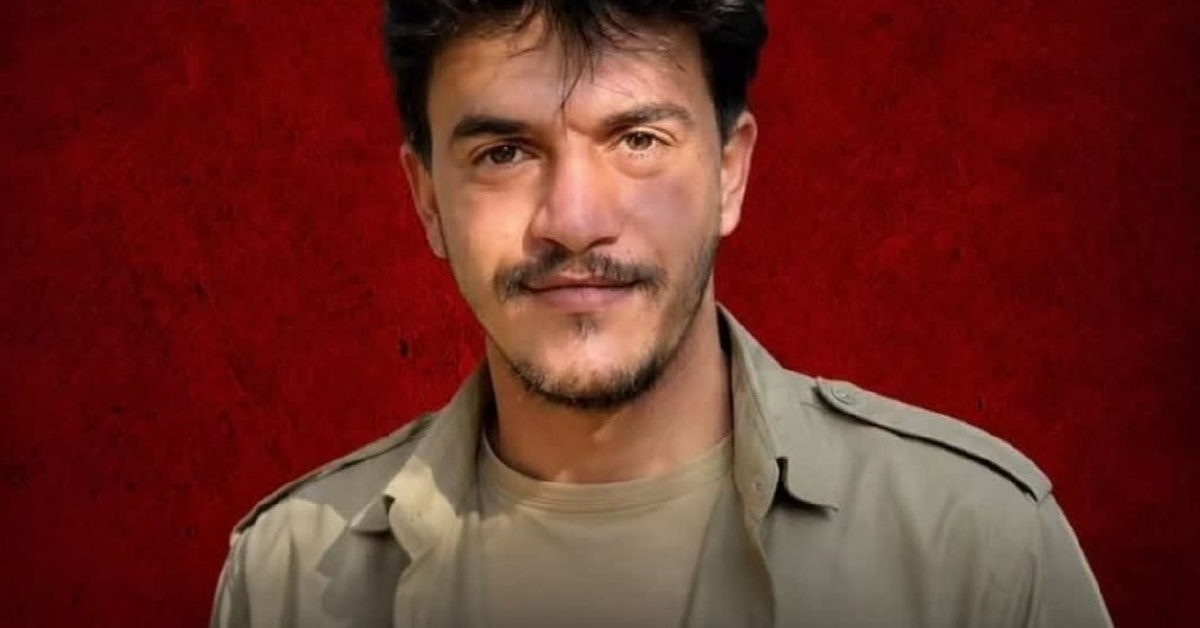
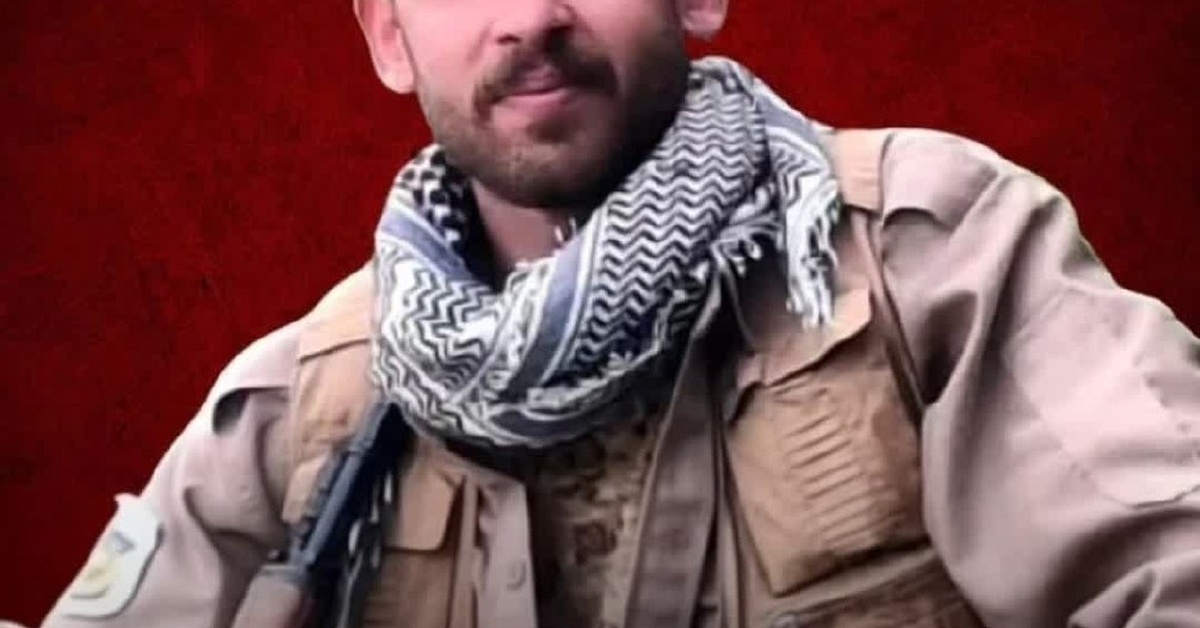
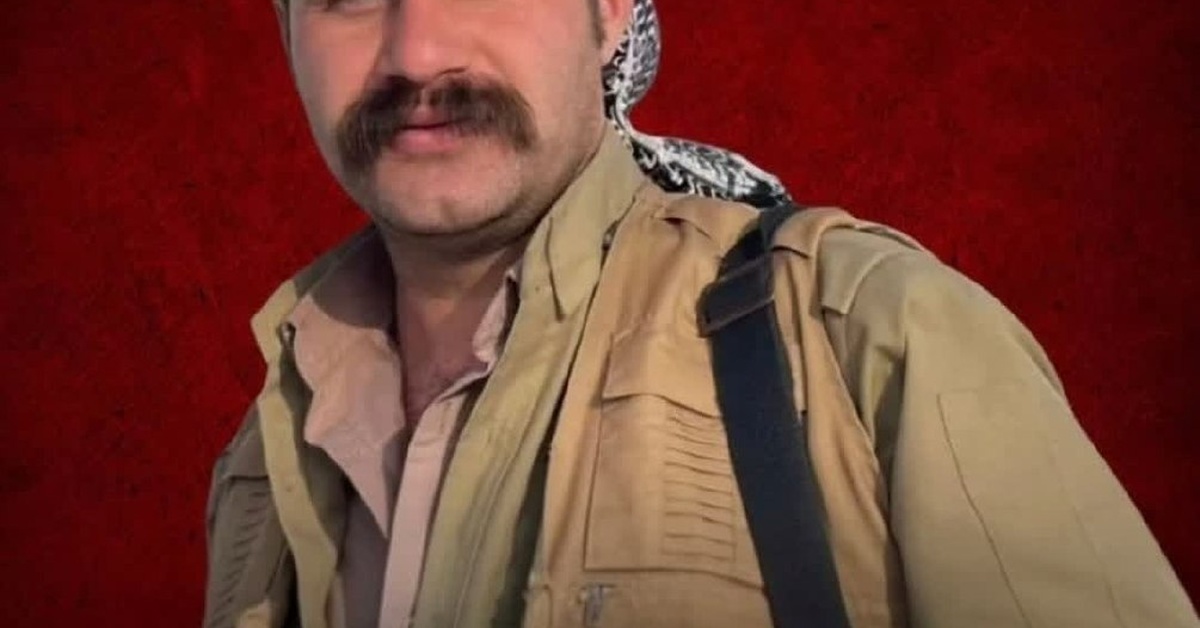
A recent escalation of violence between Iranian Revolutionary Guard Corps (IRGC) forces and the Kurdistan Democratic Party of Iran (KDPI) has left four Kurdish fighters dead. The confrontations took place in the Piranshahr area, where KDPI forces have been waging an ongoing insurgency against the Iranian government. The identities of the fallen fighters have been confirmed by the Kurdish resistance group.
Mohammad Khaki, a veteran KDPI fighter from Piranshahr who served with the organization for eight years, was among those killed in action. Khaki, also known as Mohammad Gorgol, had gained significant experience in the struggle against Iranian forces and was well-respected among his comrades. His death serves as a poignant reminder of the high stakes involved in the conflict.
Tawana Osmani, another prominent KDPI fighter from Piranshahr who served for seven years, also lost his life in the recent clashes. Osmani’s dedication and bravery in the face of overwhelming odds embody the unwavering spirit of the Kurdish resistance.
Two other fighters, Karo Hormizyari and Fardin Changizi, also fell in the confrontation with IRGC forces. While specific details about their backgrounds are not publicly available, their ultimate sacrifice has sent shockwaves throughout Kurdish communities and is likely to galvanize further resistance against the Iranian regime.
Despite the ongoing conflict, the KDPI has long maintained that their struggle is a matter of defending Kurdish rights and cultural identity within the context of an Iranian state that has historically viewed Kurdish nationalism as a threat to its authority. The group’s military activities are also seen as a response to perceived human rights abuses and repression faced by Kurdish communities across the country.
The recent clashes in Piranshahr underscore the gravity of the ongoing conflict between Iranian security forces and the Kurdish insurgency. As tensions between the two sides continue to escalate, international observers are increasingly calling attention to the urgent need for a peaceful resolution to the conflict, which has resulted in significant human suffering and civilian casualties.
As the situation in Piranshahr and surrounding areas remains precarious, international leaders are being urged to prioritize diplomatic efforts aimed at de-escalating the conflict and promoting dialogue between the Iranian government and Kurdish representatives. The outcome of these efforts will have far-reaching implications for the future of Kurdish communities in Iran and the stability of the broader region.