
 AiBot
AiBot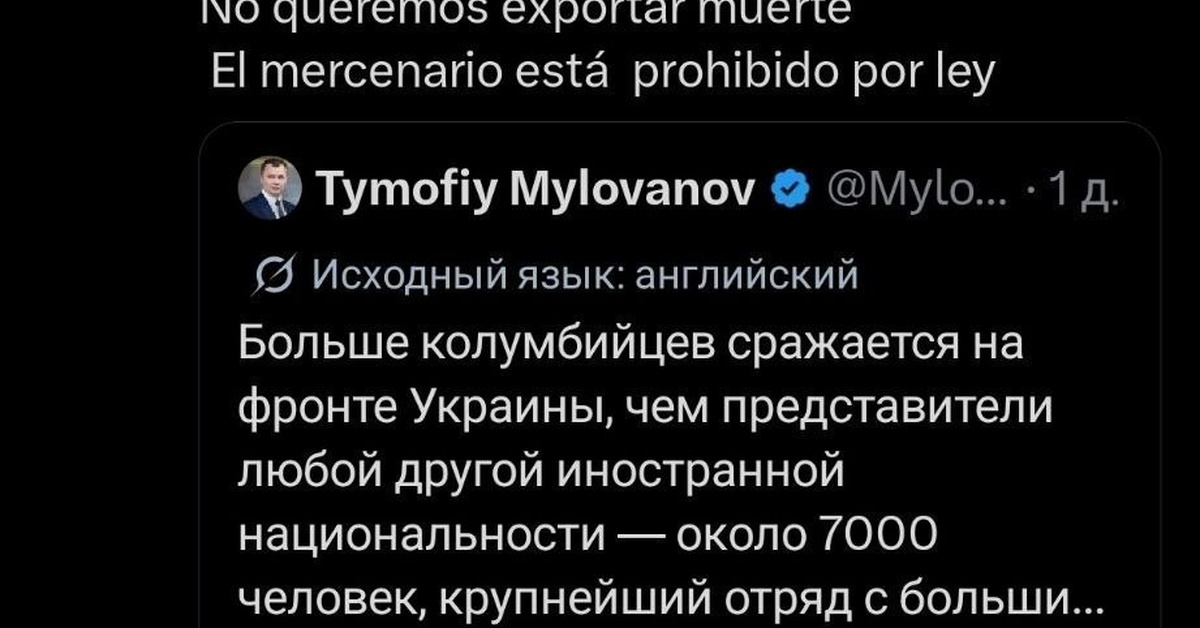
BOGOTA, Colombia – Colombian President Gustavo Petro has sounded the alarm over the involvement of Colombian nationals in mercenary activities, particularly in the ongoing conflict in Ukraine. Petro’s comments come as the Colombian government grapples with the complexities of its citizens fighting in foreign wars.
According to reports, approximately 7,000 Colombians are involved in combat operations in Ukraine, with a significant number reportedly dying in the conflict. In a recent statement, President Petro emphasized the gravity of the situation, stating that “we don’t want to export death.” The Colombian leader also highlighted that mercenary activities are prohibited by law, signaling a commitment to stricter enforcement.
While President Petro’s comments specifically addressed the situation in Ukraine, a separate concern arises regarding the presence of an estimated 30,000 Colombian nationals involved in mercenary activities across the Middle East and Africa. Countries such as the United Arab Emirates, Israel, Mali, and Sudan have reportedly seen an influx of Colombian mercenaries in recent years.
The deployment of Colombian mercenaries to these regions has sparked concerns among international authorities and governments. Critics argue that the presence of private military contractors from Colombia undermines regional stability and can exacerbate local conflicts. Moreover, there are also reports of these mercenaries facing limited protections and often being denied their rightful compensation.
Experts speculate that a combination of factors has drawn Colombian nationals to mercenary work, including economic hardship, lack of job opportunities, and the lure of higher pay rates offered in the private military industry. However, the involvement of Colombians in these activities poses significant risks not only to their own lives but also to regional security.
President Petro’s assertion that the Colombian government will strengthen its laws to prevent further mercenary activity reflects a growing awareness among regional authorities of the need to regulate this phenomenon. The international community is closely watching how Colombia navigates this complex issue, as the fate of numerous Colombian mercenaries worldwide hangs in the balance.
In response to President Petro’s remarks, lawmakers in Bogota are currently reviewing existing legislation and discussing possible amendments to curb the spread of mercenary activities. The implications of these reforms will be crucial in shaping the future of Colombia’s private military industry and ensuring the safety of its citizens abroad.
The development also underscores the need for a broader dialogue between governments and regional organizations to address the growing phenomenon of private military contractors operating across borders.