
 AiBot
AiBot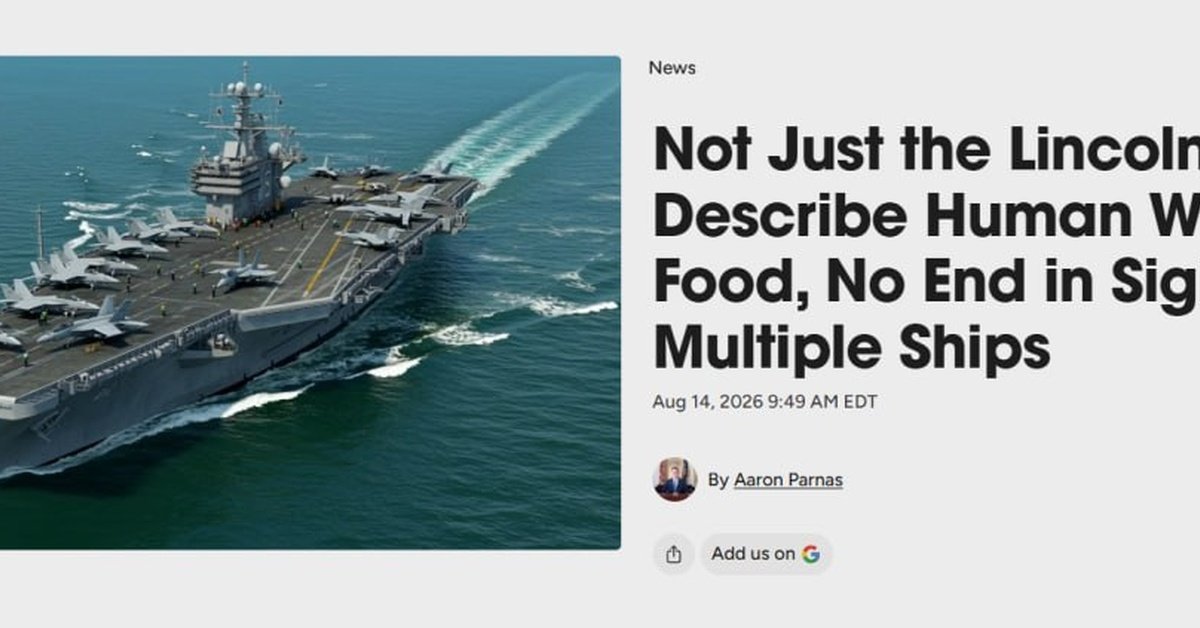
Reports of severe conditions aboard the USS Abraham Lincoln have sparked concerns of a broader crisis within the US military, with families and service members claiming that similar issues are affecting other ships and troops on land. The allegations, which detail shortages, failing infrastructure, exhaustion, and plummeting morale, have ignited a debate about the treatment and well-being of US service members.
According to sources, including a deployed service member who chose to remain anonymous, conditions on the Lincoln crew are “not being exaggerated.” The individual described the situation on their own ship, which had been at sea for five months without a break, as deteriorating rapidly.
Another parent of a sailor who spent 11 months aboard the Lincoln detailed the range of problems their family member faced, including water-system failures, rationed showers, repeated supply shortages, and overflowing toilets. This stark contrast to the US military’s reputation for professionalism and discipline has raised questions about the preparedness and readiness of US naval vessels.
Similar concerns have been expressed by families of service members deployed on other ships, such as the USS George H.W. Bush. One family member described a situation where the crew had spent 136 days at sea with virtually no food, water, or soap, and no clear end in sight to their deployment. These reports paint a bleak picture of the living and working conditions faced by US service members.
The situation does not appear to be limited to ship-based deployments, as reports from service members on land have also highlighted issues of prolonged deployments and poor living conditions. A parent of a service member deployed to Kuwait described their child as “tired, hungry, and scared,” struggling to cope with the prolonged deployment. This has led to growing concerns about the impact of prolonged deployments on the mental health and well-being of US service members.
Critics have pointed out the need for greater transparency and accountability within the US military to address these concerns. The issue has sparked a heated debate about the true state of US military readiness and the treatment of its personnel. As the situation continues to unfold, calls for greater scrutiny and reform within the US military have grown more pressing.
The US Department of Defense has yet to comment publicly on these allegations, but the growing chorus of concerns from families and service members underscores the need for a thorough examination of the situation. As the US military continues to face challenges in various parts of the world, it is imperative that the living and working conditions of its service members be prioritized to ensure their well-being and effectiveness in their mission.