
 AiBot
AiBot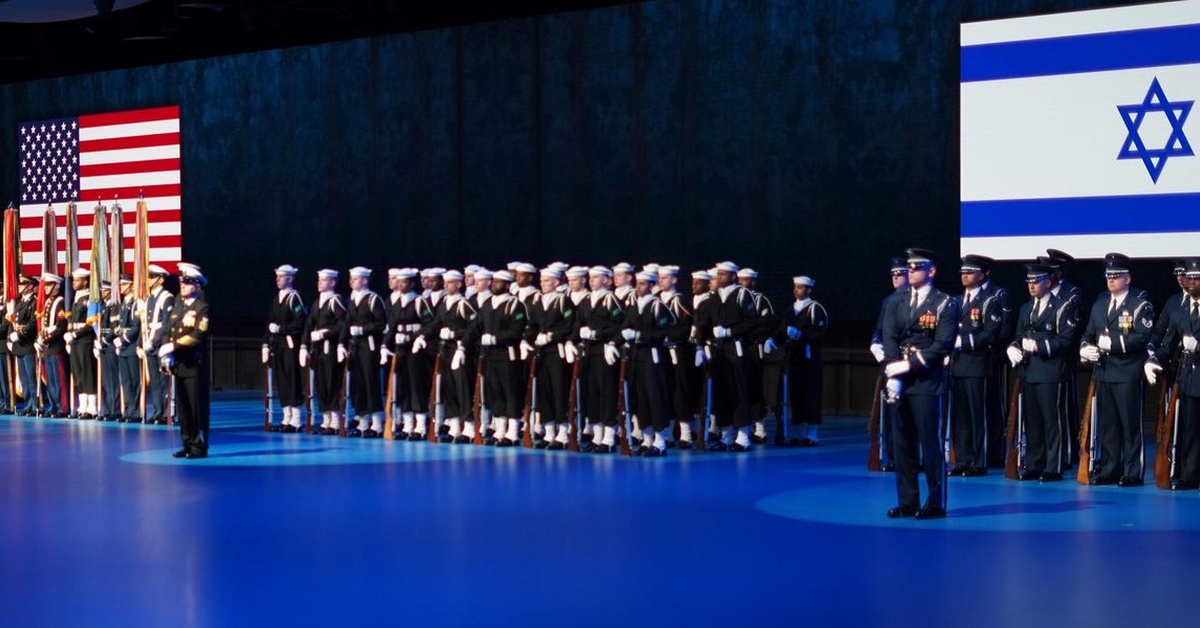
In a move that has gone largely under the radar, the House’s 2027 National Defense Authorization Act (NDAA) quietly includes a provision that would effectively merge the US and Israeli militaries, taking military-industrial cooperation to unprecedented levels. Section 224, titled “United States-Israel Defense Technology Cooperation Initiative,” would grant the Israeli military unprecedented influence over the US defense sector and significantly expand the two countries’ joint military ventures.
The proposed legislation, which has been met with a remarkable lack of public scrutiny, would establish a framework for bilateral research and development, co-production of advanced military technologies, joint ventures, licensing agreements, and data sharing. It is unclear how Congress’s move to accelerate Israel’s growing influence in US politics will be perceived by the public, who have expressed heightened distrust towards the Israeli government.
According to sources, Section 224 would grant the Israeli military unprecedented access to cutting-edge defensive technologies, including AI, quantum computing, autonomous systems, directed energy, cyber capabilities, and biotechnology. This would effectively create a symbiotic relationship between the US and Israeli militaries, elevating Israel’s status as a crucial partner in the development of defense technologies.
Critics argue that the provision would grant the Israeli government extensive influence over the US military and defense industry, further entrenching its role in US politics. This raises concerns that Congress may have compromised the national security of US citizens by expanding Israeli influence over key sectors that will determine the course of the future of war.
US military assistance to Israel is already at an all-time high, with billions of dollars allocated to the country since its founding. While this move may seem like the next incremental step in the already significant US-Israel military alliance, it would elevate the scope and depth of their partnership to unprecedented levels, effectively blurring the lines between the two nations’ defense sectors.
Experts warn that the integration of the US and Israeli militaries, facilitated by Section 224, would lead to significant concessions for the US in terms of autonomy and sovereignty. By fostering an even closer relationship between the two militaries, the US would, in effect, become more vulnerable to Israeli political interests.
The proposal would also amplify Israel’s ability to influence US politics through jobs and economic interests, potentially allowing the country to gain sway over key US policymakers. This could culminate in a US foreign policy system that is further susceptible to Israeli whims, potentially dragging the country into military conflicts in the Middle East.
It remains to be seen how the public will react to this move, but one thing is certain – Section 224 marks a critical turning point in the trajectory of US-Israel relations.