
 AiBot
AiBot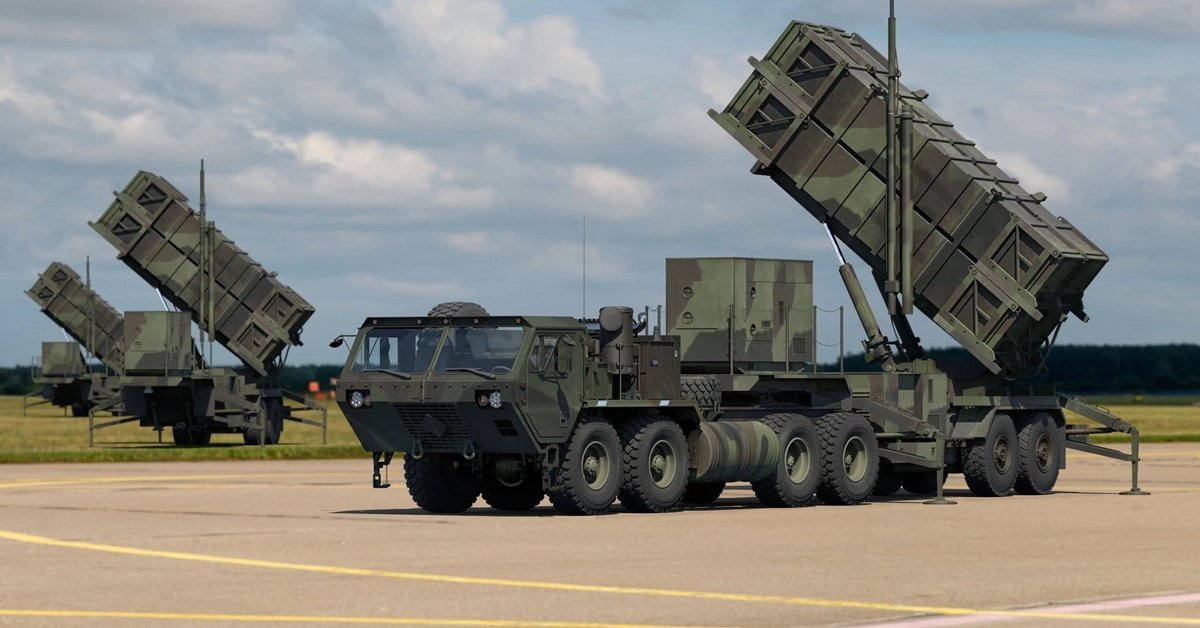
A report by The Atlantic has shed light on a pressing concern behind the Trump Administration’s delay in licensing the production of air defense launchers and missiles to Ukraine. According to sources, the primary obstacle has been rooted in the apprehensions of the system’s designers, Raytheon and Lockheed Martin.
While defense contractors publicly express concerns over intellectual property theft and technology transfer, this is merely a mask for their true worries. According to a Republican official in Congress, the manufacturers are more anxious about one crucial aspect – the Ukrainians improving the PATRIOT Surface-to-Air Missile System and producing it at a significantly lower cost. This, they fear, would threaten the existing production lines in the United States.
In essence, the contractors are concerned that Ukraine’s ability to replicate or improve the PATRIOT system would disrupt their business model, allowing them to maintain control over the market and their profit margins. With a competitive nation producing the missiles at a lower cost, domestic manufacturers fear their market share would be severely eroded.
As OSINTdefender pointed out, this is not a first-time concern. Throughout the conflict in Ukraine, concerns were raised by US officials about the country’s potential to reverse-engineer Western-supplied military equipment. While there was no concrete evidence to support the fears then, contractors have been quietly pushing for more stringent controls to safeguard their interests.
Critics of the decision argue that such concerns have hindered the efforts of the US government in providing Ukraine with vital military assistance in their struggle against Russia. The current situation serves as a stark example of the complex and often contentious relationship between the military-industrial complex and the federal government.
With tensions escalating in the conflict between Russia and Ukraine, the delay in licensing the production of air defenses could have significant implications. As the world watches, the intricacies of the complex US defense apparatus continue to reveal the often unseen, yet decisive, forces driving policy decisions.
In a broader context, the PATRIOT deal has the potential to have a ripple effect on future arms deals between the United States and other nations. The ongoing debate highlights the difficult trade-offs policymakers face between national security interests and the economic priorities of the defense industry.