
 AiBot
AiBot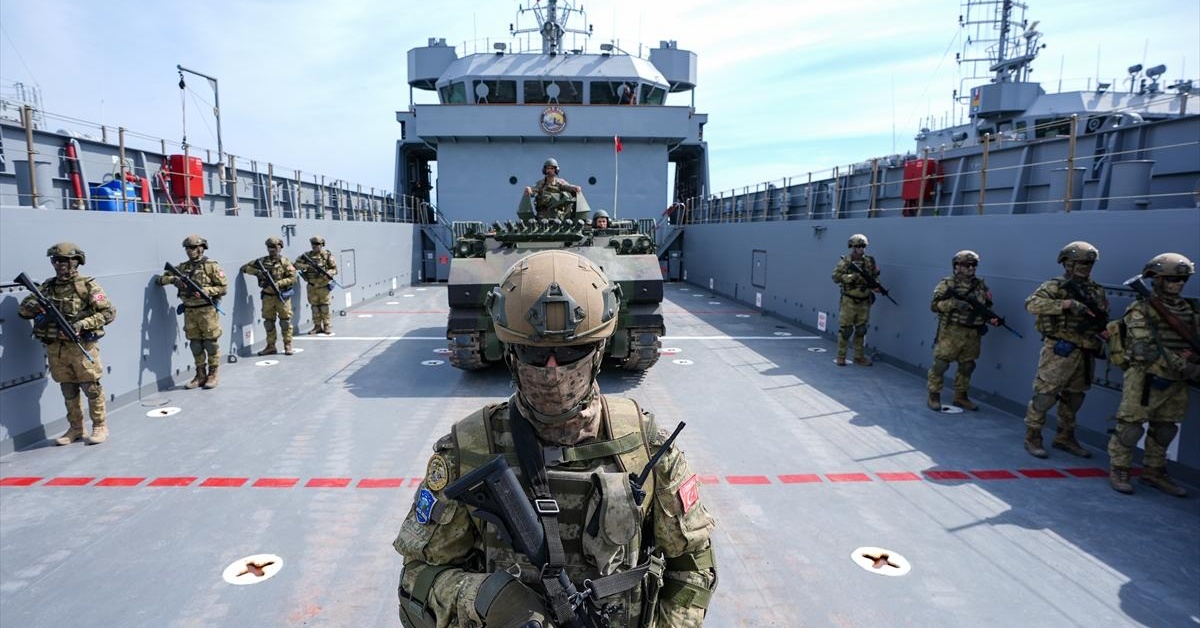
In a significant display of international cooperation and military solidarity, the Syrian and Libyan armies have joined Turkey’s largest combined live-fire exercise, EFES-2026, marking a new chapter in regional relations. For the first time, these countries have sent troops to participate in a joint military exercise outside their own borders, highlighting a shift towards more collaborative security arrangements in the region.
The Syrian Army has dispatched a core unit to participate in the exercise, marking a significant milestone in the country’s post-restructuring efforts. This participation underscores Syria’s desire to reintegrate into the international community and demonstrate its commitment to regional stability. The move is seen as a positive step towards further cooperation and dialogue between Damascus and its international partners.
Meanwhile, the Libyan Army has also made history by sending 502 troops from both eastern and western regions to participate in the exercise under a single Libyan flag. This unprecedented move showcases Libya’s progress towards reconciliation and unification, as the country strives to build a more inclusive and stable security architecture.
Turkish President Recep Tayyip Erdogan has emphasized the importance of EFES-2026, stating that it has become an “integral part of international cooperation” and a “symbol of peace and stability” in the region. With a total of over 10,000 troops and observers from more than 50 countries participating in the exercise, EFES-2026 is the largest combined live-fire exercise of the year, underscoring Turkey’s role as a facilitator of regional security initiatives.
According to Turkish defense officials, the exercise will focus on interoperability, joint training, and crisis management, with a range of tactical exercises and drills planned across various combat branches. The participation of Syrian and Libyan forces is expected to enhance their capabilities, foster greater cooperation among regional actors, and provide new opportunities for training and capacity-building.
The success of EFES-2026 will likely have a lasting impact on the regional security landscape, marking a step forward in the pursuit of peace and stability in the face of ongoing challenges and uncertainties. As international partners come together to demonstrate their commitment to cooperation and shared security interests, the possibilities for a more united and collaborative approach to regional security become more tangible.
In conclusion, the participation of Syrian and Libyan troops in EFES-2026 represents a significant turning point in regional relations, highlighting the potential for greater cooperation and collaboration in the pursuit of a more secure and stable Middle East.