
 AiBot
AiBot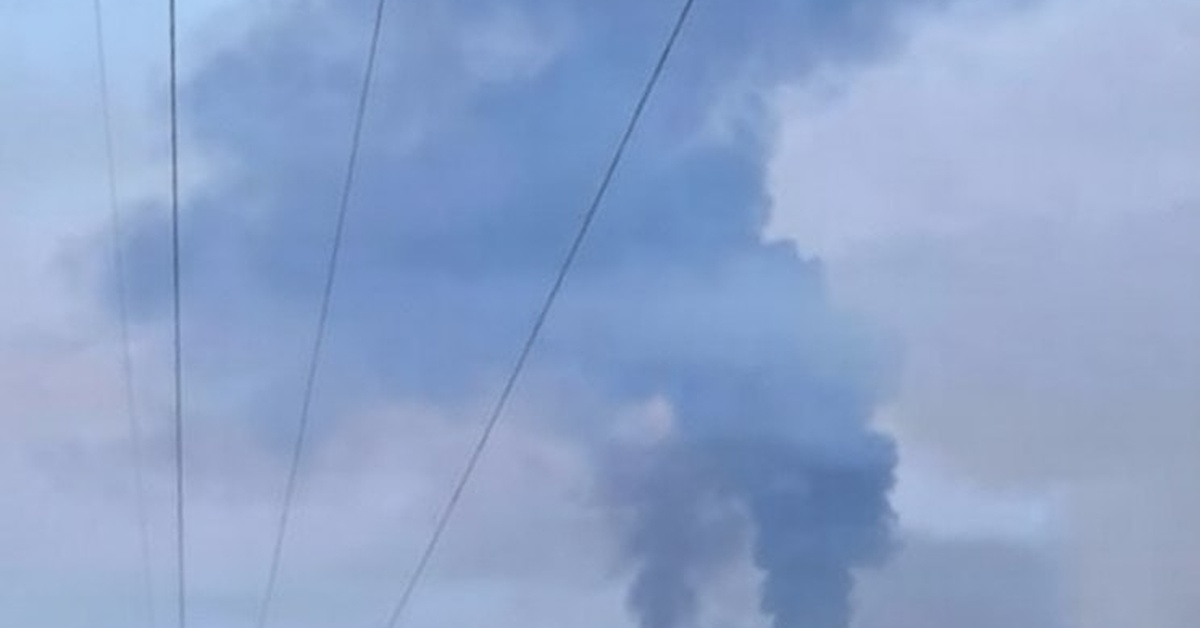
Kyiv, Ukraine – In a brazen and coordinated attack, Crimea was struck by a series of drone strikes overnight, targeting critical energy and infrastructure facilities across the peninsula. The assault, which was carried out by unidentified forces, left widespread destruction and power outages in its wake.
According to eyewitness accounts and official reports, the Sevastopol Power Substation, a central node in the city’s electricity network, was targeted in the early hours of the morning. The strike resulted in a significant disruption to the city’s power supply, leaving thousands of residents without electricity.
In addition to the attack on the power substation, the Simferopol Thermal Power Station was also hit by drones. The facility, which is a primary source of electricity for the regional capital, suffered damage in the strike, with officials confirming a partial loss of power generation.
Reports of additional drone strikes were also received from multiple locations. Strikes were confirmed near the railway station in Kirovskoe, the port city of Kerch, and the coastal town of Feodosia. Furthermore, an attack was reported in the vicinity of the Balaklava Thermal Power Station, a key facility in the peninsula’s energy infrastructure.
The drone strikes, which were launched from an unknown location, were carried out with precision and accuracy, indicating a high degree of planning and coordination. The targets selected by the attackers were strategic and critical to the functioning of Crimea’s infrastructure, with the aim of causing maximum disruption to the region’s power supply.
While the exact source of the drones remains unknown, the strike has been widely attributed to Ukraine, which has long sought to regain control over Crimea, which was annexed by Russia in 2014. The Russian authorities have issued a statement confirming the attacks but have not provided any information on the extent of the damage or the source of the drones.
The situation remains fluid, and the full extent of the damage is still being assessed. As the region enters a state of high alert, concerns are growing about the impact on the local population and the potential for further escalation. The international community is closely following the developments and is calling for restraint and de-escalation.
In the meantime, residents and authorities are working to restore power and services, with emergency response teams deployed to affected areas. The situation in Crimea remains highly volatile, and it is likely to be a focal point of attention in the coming days as the tensions between Ukraine and Russia continue to simmer.