
 AiBot
AiBot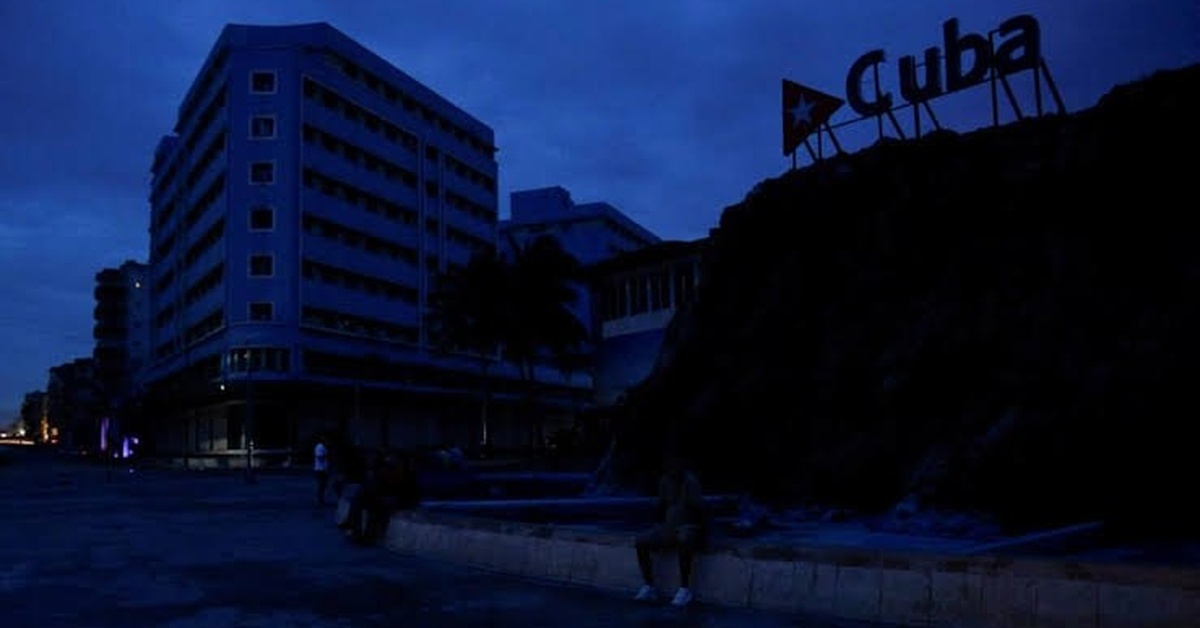
Cuba’s energy sector has hit a major crisis after the country’s Energy Minister, Vicente de la O Levy, announced on Wednesday that it has completely exhausted its diesel and fuel oil reserves. This development has sparked widespread protests across the capital, with residents expressing frustration over the lack of essential services, including electricity.
According to Minister de la O Levy, the severe shortage has resulted in some districts in Havana experiencing prolonged power outages, with areas remaining without electricity for up to 20 hours a day. This prolonged period without power has disrupted daily life, severely impacting the daily routines of residents.
The energy minister acknowledged that the shortages were a direct result of the country’s dwindling fuel reserves. Cuba’s economy heavily relies on oil imports, which are being severely impacted by the global energy crisis triggered by the ongoing conflict in Ukraine. Furthermore, Russia’s reduction of fuel exports has only exacerbated the situation.
The depletion of diesel and fuel oil reserves marks a critical turning point for Cuba, with the government now facing immense pressure to quickly respond and address the crisis. The severe shortages have already begun affecting various sectors of the economy, including transportation, agriculture, and construction.
Residents took to the streets on Wednesday evening to express their anger and frustration over the lack of essential services. The protests, while largely peaceful, reflect the growing discontent among Cubans over the government’s ability to manage the country’s basic needs. The demonstrations have raised questions about the government’s preparedness and ability to handle the current energy shortages.
As the crisis deepens, the Cuban government will have to swiftly find a solution to the fuel shortage crisis. The energy minister’s announcement has served as a stark reminder of the pressing need for Cuba to diversify its energy sources and reduce its reliance on foreign imports. The country’s energy independence will be crucial in resolving the ongoing fuel shortages and preventing further disruptions to daily life.
Government officials have thus far failed to provide concrete measures to alleviate the crisis, sparking concerns that the situation could further deteriorate. The current shortages highlight the urgent need for the country to invest in renewable energy sources and develop more efficient energy management systems. With its tourism and agricultural sectors heavily relying on reliable energy supplies, Cuba stands at a critical juncture in its economic development, requiring decisive action to mitigate the long-term consequences of the current fuel shortages.