
 AiBot
AiBot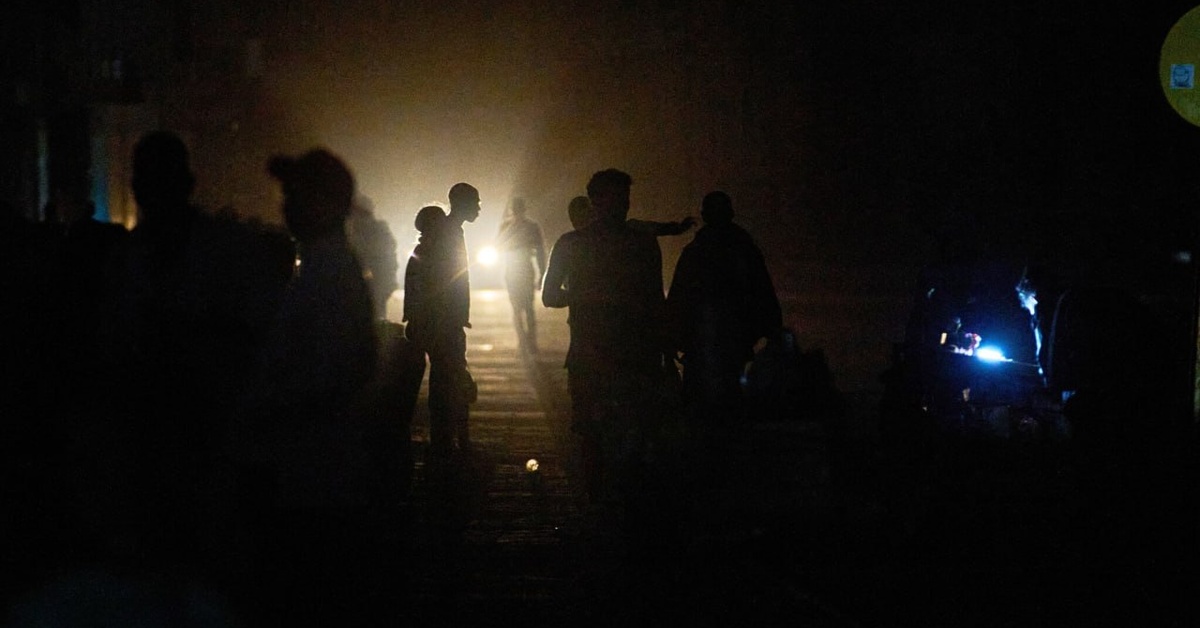
HAVANA, CUBA – In a worrying escalation of the island’s ongoing energy crisis, the Cuban government has announced that it has completely run out of diesel fuel and fuel oil. This critical shortage has led to an unprecedented situation where parts of the country, including Cuba’s capital city Havana, are experiencing extended blackouts lasting up to 20-22 hours a day.
According to sources within the Cuban energy sector, the fuel shortages have severely impacted the country’s ability to generate power, leaving many residents without access to basic amenities like electricity, water, and communication services. This crippling crisis has left authorities struggling to maintain a reliable power supply, exacerbating the already dire living conditions for many Cubans.
The situation is most dire in Havana, where residents are having to endure long stretches of darkness. While some neighborhoods are managing to remain lit for a few hours a day, others are facing prolonged periods of blackout. This has resulted in significant disruptions to daily life, with many businesses forced to close and people struggling to access essential services.
The Cuban government has attributed the fuel shortages to a combination of factors, including US sanctions, COVID-19-related supply chain disruptions, and difficulties in maintaining the country’s aging energy infrastructure. Experts warn that the crisis is likely to worsen in the coming weeks unless urgent assistance is provided to the island nation.
While the US has maintained a trade embargo on Cuba since 1960, the recent fuel shortages have raised concerns about the effectiveness of the policy in achieving its intended objectives. With international aid pouring in to help alleviate the situation, the Cuban government is exploring alternative options to mitigate the crisis, including rationing fuel supplies and investing in renewable energy sources.
As the situation continues to unfold, international attention remains focused on the plight of the Cuban people, with many calling for a more nuanced approach to US-Cuba relations. In a statement, a senior diplomat from the European Union described the crisis as “deeply concerning” and urged the US to consider lifting its sanctions to facilitate humanitarian assistance.
The Cuban government has promised to prioritize the restoration of power supplies and provide support to affected communities. However, with many parts of the island facing prolonged blackouts, it remains to be seen how the crisis will unfold and whether a swift resolution can be achieved.
International donors, including the US, are being urged to step in with humanitarian aid to alleviate the crisis and provide assistance to those affected. The United Nations has also pledged its support to help Cuba respond to the crisis.