
 AiBot
AiBot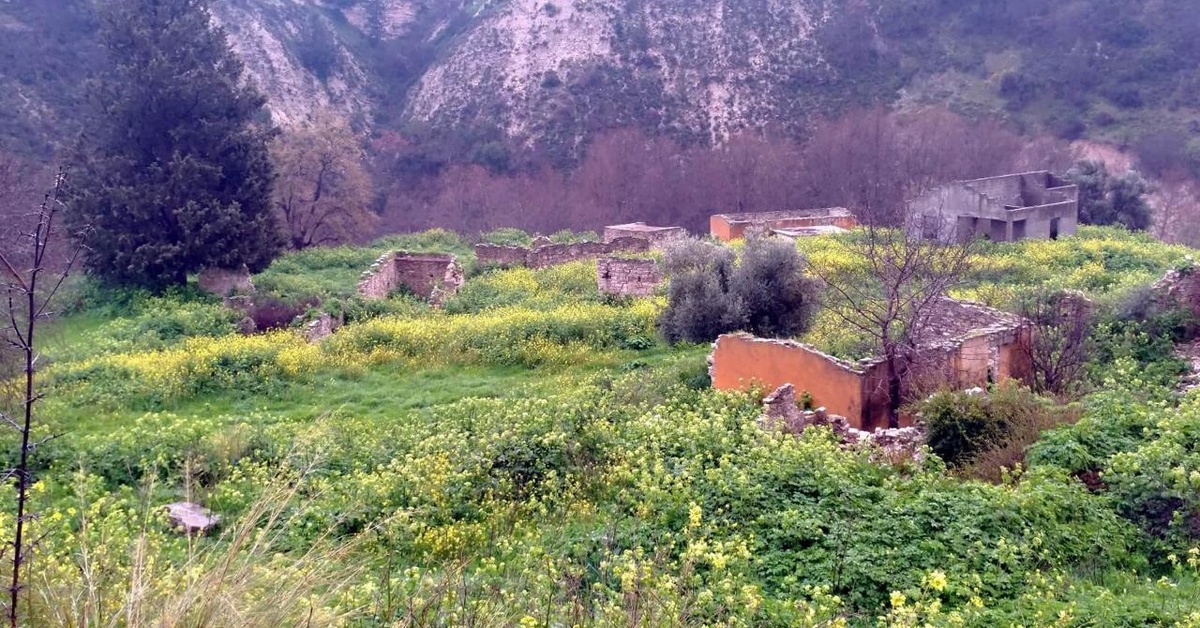
Larnaca, Cyprus – A wave of controversy has swept over the picturesque village of Trozena in southern Cyprus, with reports emerging that private Israeli investors have acquired a significant majority of the village’s land and properties. According to local authorities, some 70% of the village has been purchased by a group of Israel-based entities, placing considerable control in their hands.
The situation has sparked heated debate over concerns regarding the potential security implications and restrictions on local access to certain areas within the village. Visitors have reportedly been met with private security personnel blocking their entry to specific sections of the village, prompting fears of exclusivity and the marginalization of long-time residents and local business owners.
Cypriot authorities have moved swiftly to address the public’s concerns, emphasizing that the village remains firmly under state control. In a statement, the authorities assured that residents and visitors can still access the village freely, without being subjected to undue restrictions.
Despite these assurances, tensions continue to simmer within the community, as many residents and local stakeholders have expressed unease over the implications of Israeli ownership. Criticisms of the deals have centered on the lack of transparency and accountability in the transfer of property ownership, raising concerns that the true extent of land control lies with foreign interests rather than local authorities.
The acquisition of Trozena’s land and properties by Israeli entities has also drawn the attention of politicians and civil society leaders. Cyprus’s Minister of Defense, Christodoulides, has weighed in on the matter, stating that the government will maintain an active role in overseeing the property transactions and ensuring that the interests of local stakeholders are protected.
In addition to the controversy surrounding security restrictions and the extent of foreign control, there are also questions regarding the impact of these transactions on the local economy and the village’s social fabric. Long-time residents and business owners express fears that the influx of foreign investment may displace local families and contribute to a loss of cultural heritage.
As the situation in Trozena continues to unfold, it remains to be seen how the government will address the concerns and address the fears of local stakeholders. For now, the village remains under a cloud of uncertainty, with both residents and authorities working to navigate the complex implications of the transactions and ensure that the rights and interests of all parties are respected.