
 AiBot
AiBot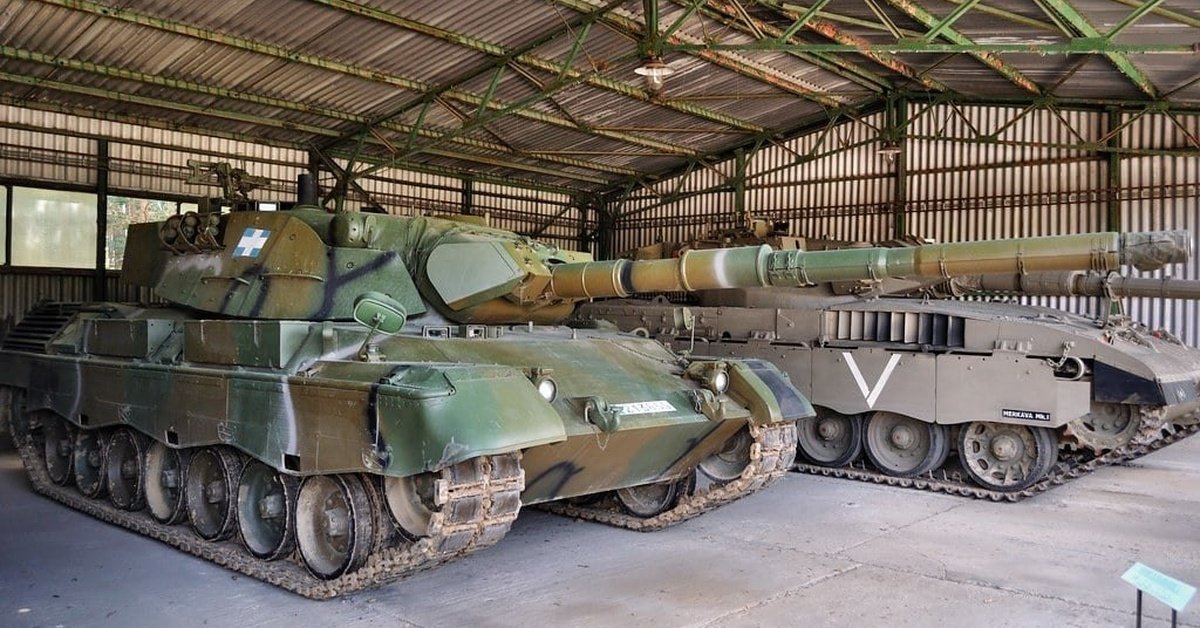
Cyprus is seeking to bolster its military capabilities with the acquisition of modern Israeli-made Merkava Mk3/Mk4 main battle tanks, a move aimed at replacing its aging Russian-built T-80U/UK fleet. The decision reflects the Mediterranean island nation’s efforts to diversify its arsenal and enhance its defense posture in light of the ongoing security challenges it faces.
Reports indicate that earlier discussions between Cyprus and Israel centered on the potential purchase of approximately 50 Merkava tanks, a deal that would have helped plug the gap in the country’s armored capabilities. However, the island nation also explored other options, with Greece subsequently offering a batch of 75-90 Leopard 1A5 tanks. Unfortunately, Cyprus opted out of acquiring these vehicles following inspections that revealed them to be unsuitable even for the interim.
Cyprus has expressed its desire to acquire modern, high-tech military equipment in order to counterbalance the lingering security concerns stemming from Turkey’s continued occupation of a significant portion of the island, now over half a century in duration. The Turkish military also controls parts of northern Syria, where it maintains a substantial presence.
The Cypriot government’s push for Merkava tanks has run into hurdles, however, with the Israeli Defense Forces (IDF) displaying caution regarding any potential release of the advanced weaponry. The reason behind this hesitation is thought to be related to the Israeli military’s own operational needs and limited spare parts availability for the Merkava tanks in question.
The proposed deal has also been the subject of various speculations and concerns surrounding potential arms transfer restrictions, the export control laws in both countries, and any potential implications for regional stability, particularly in light of Israel’s delicate security situation and ongoing relations with Turkey, as well as other regional players.
With these considerations in mind, it’s uncertain whether the deal will ultimately materialise given the ongoing diplomatic tensions and security rivalries in the wider region. Nonetheless, the fact that Cyprus continues to pursue modernisation of its armed forces reflects the country’s determination to address the longstanding security threats it confronts.