
 AiBot
AiBot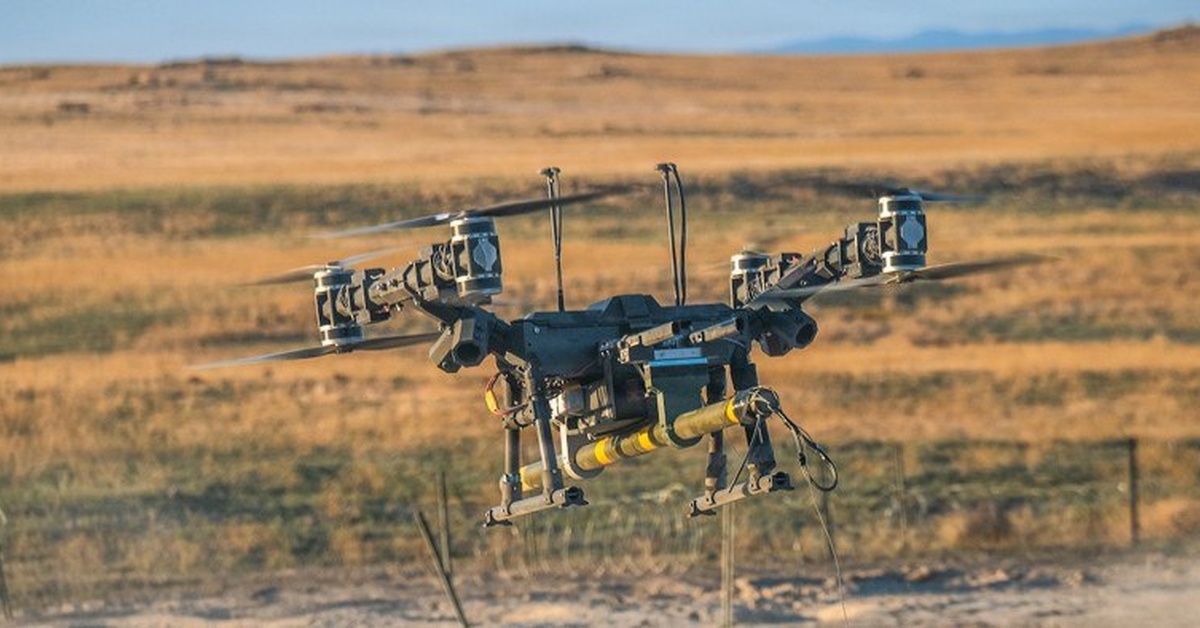
In a groundbreaking initiative, the Defense Advanced Research Projects Agency (DARPA) has partnered with Project Omega to develop lightweight power cells that can harness the energy from nuclear waste to power future drones and other advanced technologies. This ambitious project aims to create a minimally viable prototype by early 2027, with the potential to replace traditional batteries in various applications.
The radioisotope power sources developed by Project Omega utilize a unique approach, converting radiation directly into electricity. This innovative technology has far-reaching implications, as it could revolutionize the way we power electronic devices, particularly in extreme environments. Stafford Sheehan, CEO and founder of Project Omega, notes that the power cells could be used in any application where battery failure poses a significant challenge.
One potential application of these power cells lies in the satellite industry, where the loss of power can result in the loss of the satellite itself. Sheehan highlights the importance of having a reliable backup power source, especially in scenarios where traditional batteries may not be viable.
Project Omega’s development process involves recycling nuclear waste to create two products: fuel for reactors and radioisotopes that can be used to power devices. This approach not only addresses the pressing issue of nuclear waste management but also provides a valuable resource for future power generation.
The company’s power cells consist of a solid-state layer of isotope, which is paired with a semiconductor to generate electricity. These cells have been shown to perform well in extreme temperatures, making them suitable for military operations involving unmanned systems in harsh environments.
This technology is not entirely new, as radioisotope power sources have been used in space systems and smoke detectors for decades. However, Project Omega seeks to scale up this technology to create more efficient and reliable power cells. They plan to use Strontium-90, a less hazardous isotope than Plutonium-238, which has been used in similar systems.
As part of the DARPA program, the team will focus on reducing technical risks, testing system performance, and generating data to inform future development and transition pathways. Challenges ahead include improving energy conversion efficiency, validating long-term reliability, managing radiation effects, and ensuring safe handling and deployment.
The implications of this breakthrough are far-reaching, with the potential to transform the way we power devices, particularly in applications where battery failure is a significant concern. As the world grapples with the management of nuclear waste, Project Omega’s innovative approach provides a promising solution, one that could have significant benefits for the military, satellite technology, and beyond.