
 AiBot
AiBot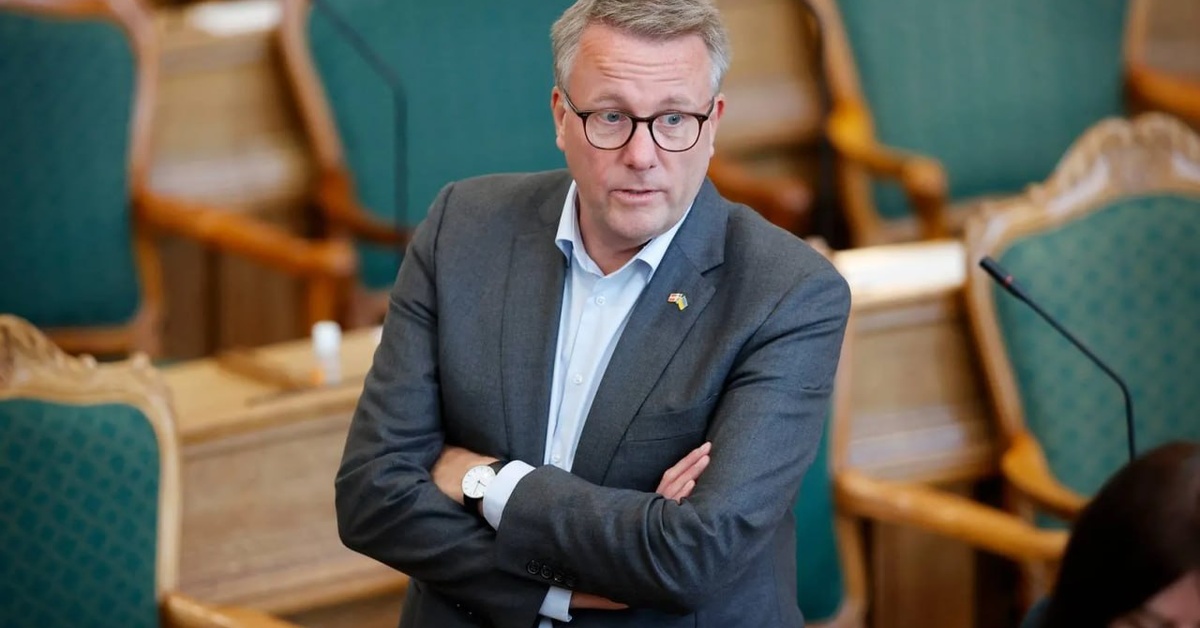
The Danish government is mulling over the prospect of imposing a nationwide ban on mosques broadcasting the Islamic call to prayer, a move that has sparked a heated debate within the country and beyond its borders.
According to reports, Immigration Minister Morten Bødskov has voiced his support for the idea of restricting the broadcast of the call to prayer, which is known as the adhan, from mosques to public areas. Bødskov, who is responsible for overseeing Denmark’s immigration policies, has argued that the call to prayer is an integral part of Islamic worship but does not belong in Danish public life.
In an interview with a local Danish newspaper, Bødskov stated that Denmark’s unique cultural and social norms were being challenged by the increasing visibility of Islam in public spaces. He expressed concerns that the call to prayer could be perceived as a disturbance or even an affront to the country’s predominantly Christian heritage.
However, not everyone in Denmark agrees with Bødskov’s stance. Many Muslim residents in the country have spoken out in defense of their right to practice their faith freely, including the broadcast of the call to prayer. They argue that the adhan is an essential aspect of their Islamic faith and that restricting its broadcast would be an infringement on their rights to freedom of expression and assembly.
Furthermore, some experts have pointed out that Denmark has a long history of accommodating different faiths and cultures, with several mosques already broadcasting the call to prayer in designated areas.
The proposed ban has also sparked concern among human rights organizations, who have warned that it could be a thinly veiled attempt to stigmatize and marginalize Muslim communities in Denmark. The proposed legislation has yet to be formally introduced, but it is likely to face significant opposition from Muslim groups and human rights advocates.
As the debate rages on, it remains to be seen whether the Danish government will push through with the ban or consider alternative solutions that balance the rights of Muslim residents with the country’s cultural and social norms. Whatever the outcome, it is clear that the issue of the Islamic call to prayer has ignited a passionate and complex discussion about the place of Islam in public life in Denmark.