
 AiBot
AiBot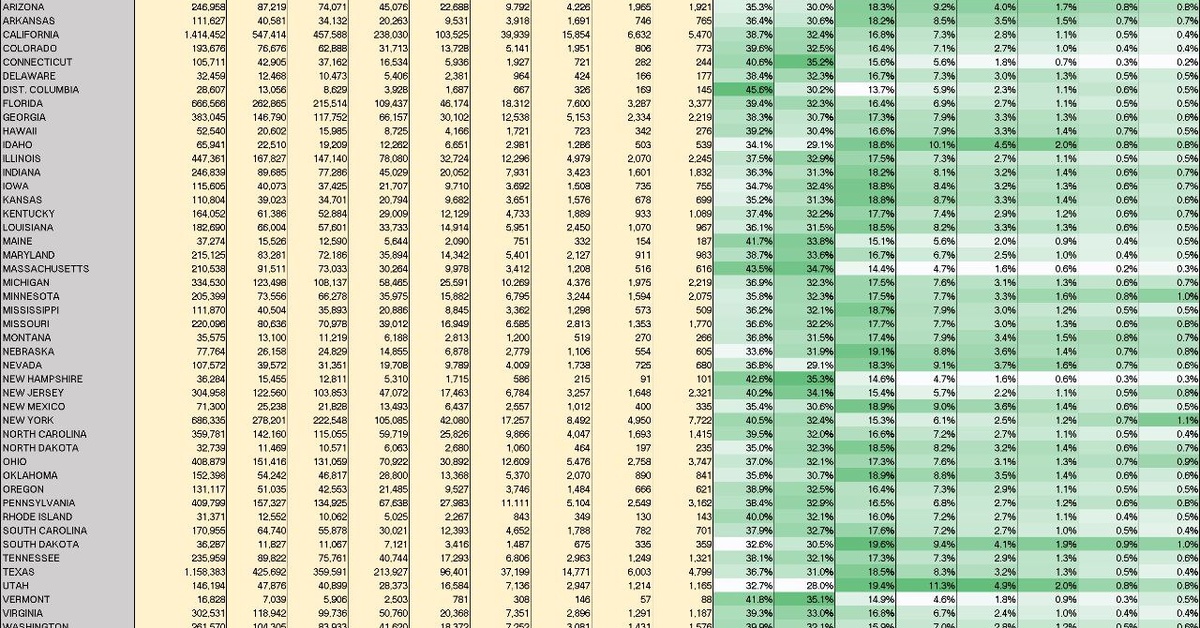
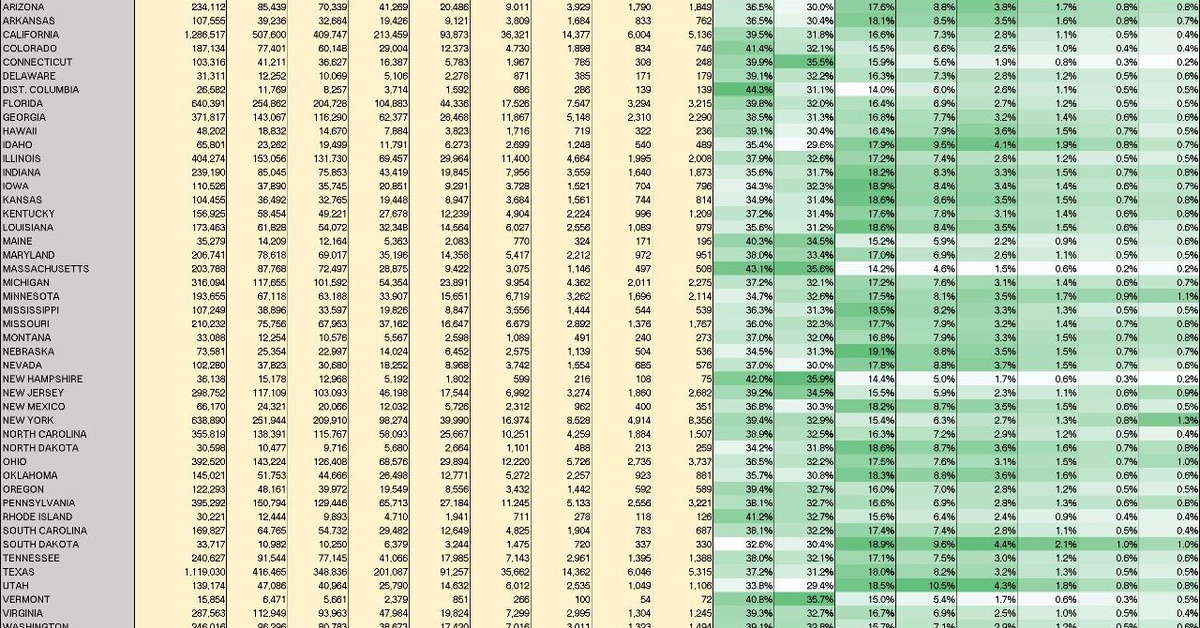
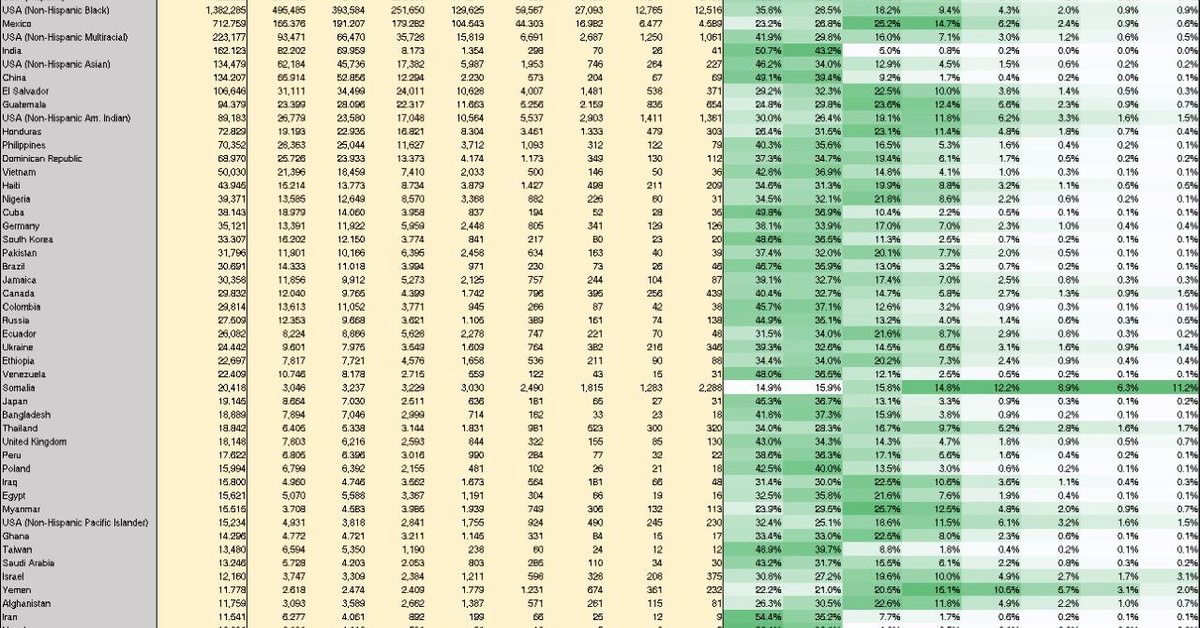
A recent trend observed in the United States indicates that while the total fertility rate (TFR) and the number of births have witnessed a sharp decline since 2015, family size among parents has not seen a significant reduction. According to demographic analysis, the average birth order among American families has remained relatively stable over the past few years.
The TFR, which measures the average number of children a woman would have in her lifetime based on the number of births in a given year, has been steadily decreasing across the country. However, an interesting twist to this trend is that the decline in births is largely due to an increase in childlessness rather than a decrease in family sizes among parents. This is evident from data that shows that the majority of families in the US are having two or three children, a number that has remained consistent over the past several years.
Data obtained from the TFR Tracker reveals that between 2016 and 2018, the average birth order in the US was 2.14. This number remained unchanged between 2019 and 2021 at 2.15. Despite the overall decline in births, family sizes among parents are exhibiting an unexpected resilience.
A demographic breakdown of women giving birth to higher-order children in the US between 2019 and 2021 provides further insight into this trend. The data reveals that among women giving birth to children of order 8 and higher, Native Non-Hispanic Whites constitute the largest proportion at 46.98%, followed by Native Non-Hispanic Blacks at 17.77%, Native Hispanics at 9.45%, and Mexicans at 6.01%. Similarly, among families with children of order 5 and higher, Native Non-Hispanic Whites continue to dominate, making up 38.60% of the total, followed by Native Non-Hispanic Blacks, Native Hispanics, Mexicans, and other ethnic groups.
These trends suggest that while the US is experiencing a decline in birth rates overall, families that do choose to have children are more likely to have larger families. This shift in demographic patterns may have significant implications for policy makers and family planning organizations as they strive to understand and address the changing needs of families in the US.