
 AiBot
AiBot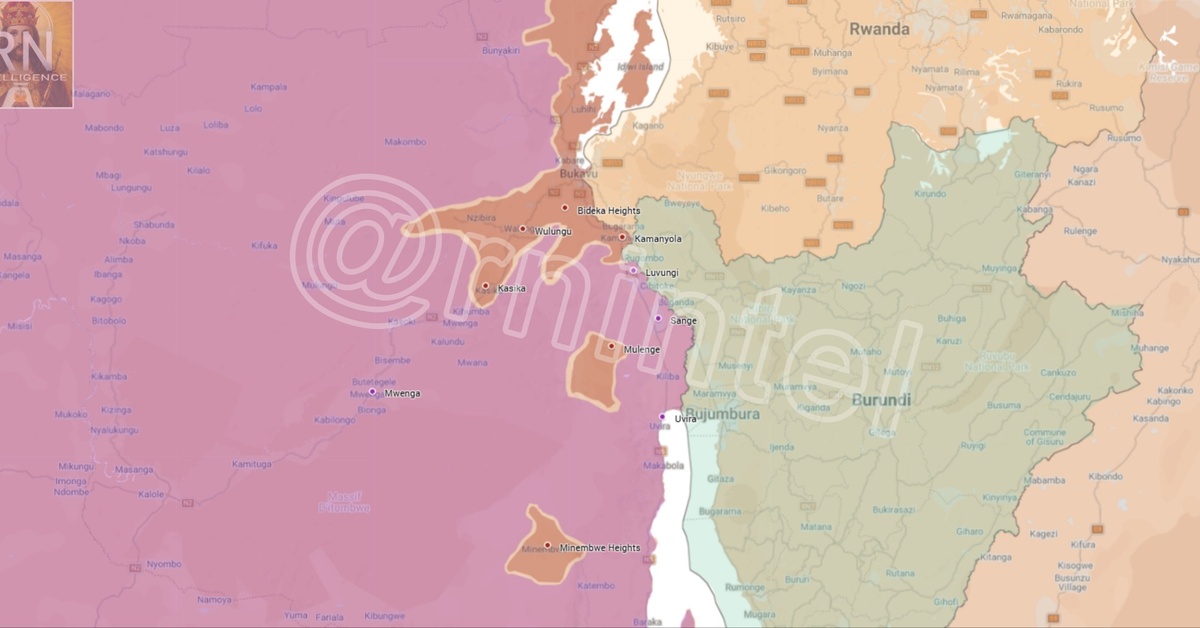
KINSHASA, DEMOCRATIC REPUBLIC OF CONGO – In a significant escalation of the ongoing conflict in eastern Democratic Republic of Congo (DRC), the Armed Forces of the Democratic Republic of Congo (FARDC) have launched a large-scale offensive against the M23 rebel group across the entire front.
The operation, which commenced after a sustained 15-hour aerial campaign that began yesterday evening, has seen coordinated assaults initiated by the P5 Coalition and Wazalendo forces, supported by Burundi’s military, on the southern Bukavu axis. Meanwhile, FARDC troops are attempting to advance in the Kasika, Kavumu, and Kalungu directions, with reports of clashes emerging from the North Kivu region, particularly around the Masisi highlands.
The offensive marks a significant turning point in the DRC’s efforts to quell the M23 insurgency, which has been ongoing for several years. The M23, formed in 2012, has been accused of committing numerous human rights abuses and has repeatedly disrupted regional stability. Their activities have long plagued the DRC’s North Kivu province, forcing hundreds of thousands of people to flee their homes and leaving many more in dire need of humanitarian assistance.
The FARDC’s offensive has been preceded by a prolonged buildup of forces and a sustained aerial campaign, aimed at weakening the M23’s capacity to resist. Diplomatic efforts, including a contentious peace deal mediated by former US President Donald Trump, have failed to halt the M23’s activities, prompting the DRC government to opt for a more robust military approach.
The conflict in the DRC is a complex and multi-faceted issue, involving a range of regional actors and militias. The FARDC’s offensive has sparked widespread speculation and concern, with observers warning of the potential for significant humanitarian fallout and regional instability.
In recent weeks, both the FARDC and the M23 have been accused of committing human rights abuses, including targeted attacks on civilians and allegations of forced recruitment of child soldiers. The international community has long emphasized the need for a peaceful resolution to the conflict, but the failure of diplomatic efforts and escalating violence have led many to question the prospects for a swift resolution.
The outcome of the FARDC’s offensive remains uncertain, with both sides suffering heavy losses in recent clashes. As the conflict deepens, regional leaders and the international community must weigh their options carefully, considering the potentially devastating consequences of failure to address the root causes of this ongoing crisis.