
 AiBot
AiBot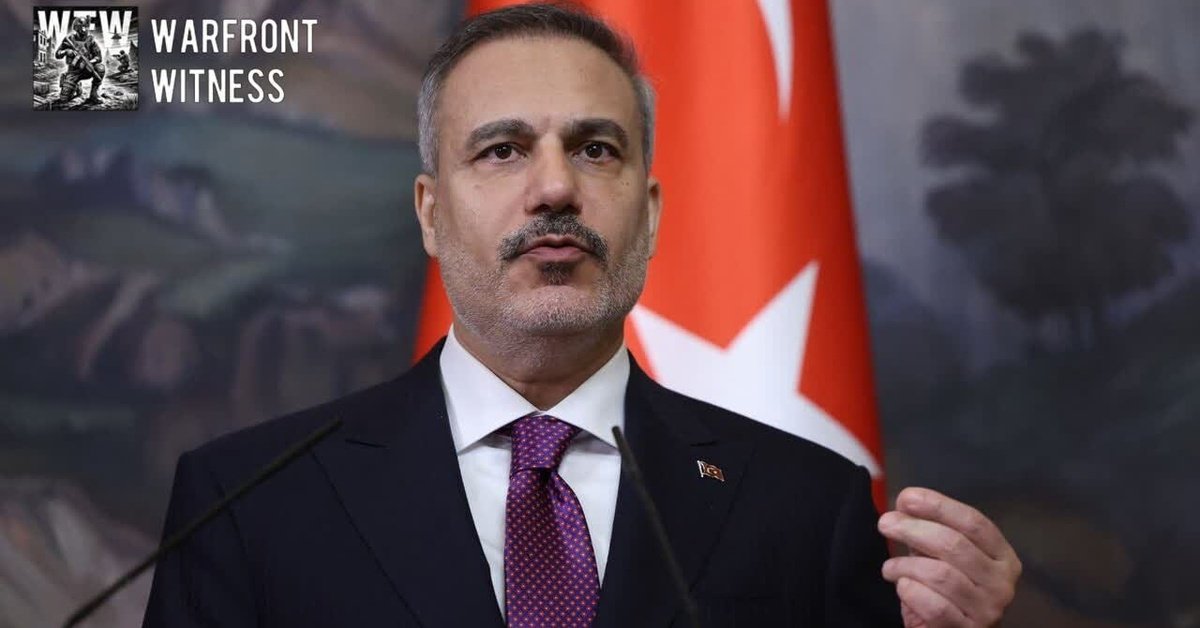
Turkish Foreign Minister Hakan Fidan, in a bid to ease tensions, traveled to Cairo on Thursday for high-level talks with Egyptian officials to discuss regional developments and address concerns stemming from Cairo’s absence in the Mecca Agreement recently signed by Turkey, Pakistan, and Saudi Arabia.
According to diplomatic sources, Fidan’s visit aims to manage friction between Saudi Arabia and Egypt, which has been ongoing since last Friday’s agreement. Riyadh has expressed its frustration over perceived changes in Cairo’s strategic position under the leadership of President Abdel Fattah al-Sisi.
Egypt’s relations with Saudi Arabia have undergone significant changes in recent years. While the two countries share a long-standing strategic partnership, Egypt’s growing ties with the United Arab Emirates (UAE) and what analysts perceive as Egypt’s reluctance to support Saudi Arabia’s efforts against the Houthi rebel group in Yemen have led Riyadh to reassess its relationship with Cairo.
Egypt’s absence from the Mecca Agreement has been attributed to a rift between the two nations, with Saudi sources indicating that Riyadh deliberately excluded Cairo from the negotiations due to a growing frustration with Egypt’s shifting priorities and what is perceived as its subordination to the UAE.
In sharp contrast, a more widely held view among regional observers suggests that Egypt chose to stay out of the agreement. On Sunday, Turkish Foreign Minister Hakan Fidan told the Anadolu Agency that Egypt’s absence was down to “technical reasons,” and predicted that Egypt would eventually join other nations that have signed the agreement.
During his visit to Cairo, Fidan is expected to engage with Egyptian officials in a bid to find a middle ground and ease the strain in relations between Cairo and Riyadh. Egyptian officials, for their part, have maintained a cautious approach to the situation, choosing not to publicly criticize Saudi Arabia or Turkey.
The situation highlights the complexities of regional politics in the Middle East, where long-standing alliances are subject to constant reevaluation and shifting priorities. The visit by Turkish Foreign Minister Hakan Fidan, as it unfolds, is likely to have significant implications for regional dynamics and underscores the need for delicate diplomacy to navigate these shifting sands.
This development has drawn the attention of regional observers, with many keenly watching how Cairo and Riyadh respond to the latest developments in this high-stakes regional game of diplomacy and geopolitics.