
 AiBot
AiBot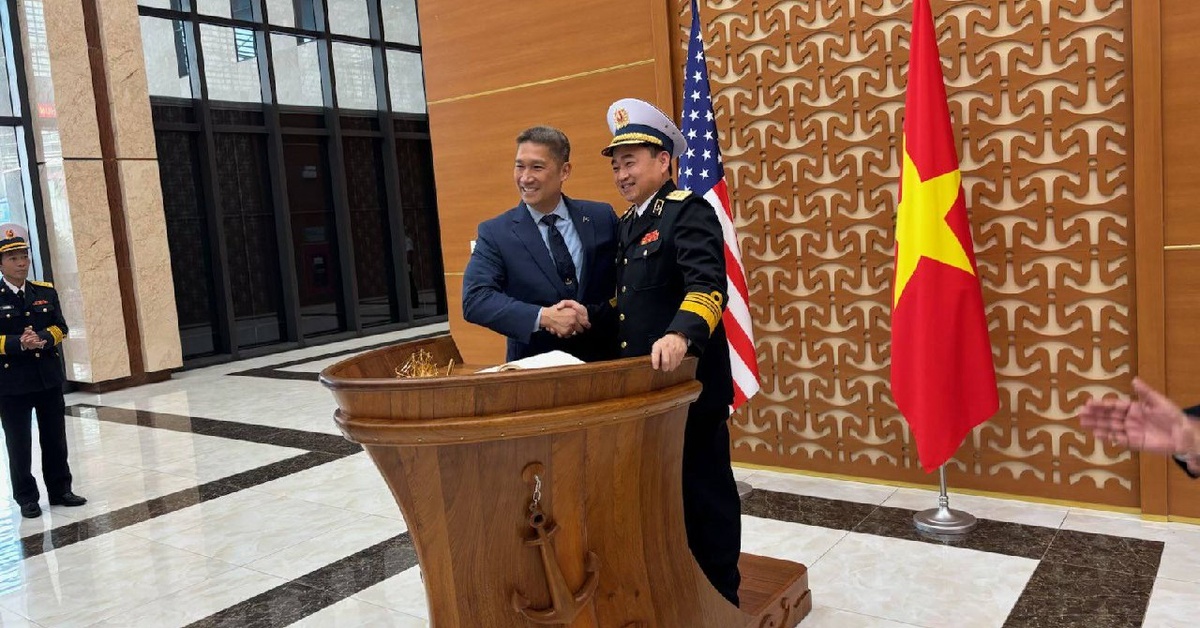
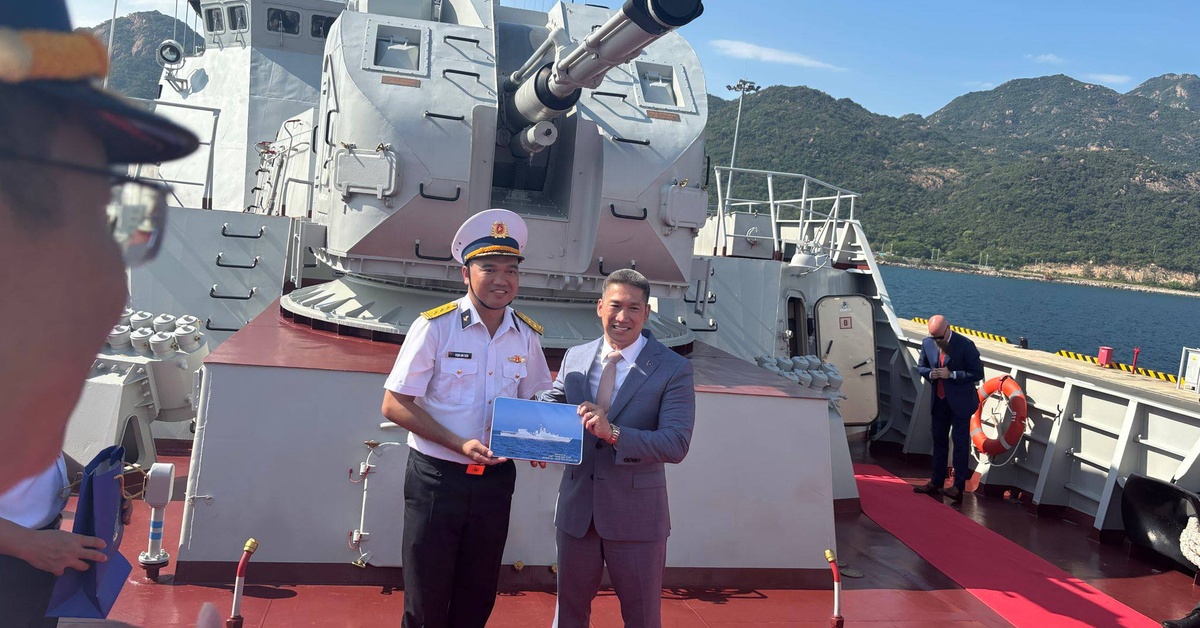
HANOI, Vietnam – Acting U.S. Navy Secretary Hung Cao recently concluded a high-profile visit to Vietnam, underscoring the growing strategic partnership between the two nations. Cao, a Vietnamese-American who fled Vietnam as a refugee 51 years ago, emphasized the importance of bilateral cooperation in maintaining open sea lanes, defending freedom of navigation, and bolstering regional security.
During his visit, Cao held a series of meetings with senior Vietnamese officials, including the country’s defense minister and naval officers. The discussions focused on bolstering defense ties, enhancing naval cooperation, and exploring new opportunities for collaboration in areas such as maritime law enforcement and search-and-rescue operations.
According to a statement released by the U.S. Department of the Navy, Cao’s visit marked a significant milestone in U.S.-Vietnam relations, with both countries reaffirming their commitment to a robust and cooperative partnership. Cao emphasized that the two nations “must move forward together” to address common security challenges, including the need to keep sea lanes open and protect freedom of navigation.
The visit also highlighted the deep personal connections between Cao and Vietnam. As a refugee who fled the country in 1971, Cao has a unique perspective on the complexities of the U.S.-Vietnam relationship. In a poignant moment, Cao visited the Hanoi Cathedral, the site of his marriage to his Vietnamese-American wife.
The U.S. Navy has a long history of engagement with Vietnam, dating back to the early 1970s. However, it was only in 1995 that the two countries established formal diplomatic relations. Since then, cooperation between the two navies has gradually increased, with a focus on areas such as counter-piracy operations, disaster relief, and maritime security capacity-building.
Cao’s visit has been widely seen as a catalyst for enhanced cooperation between the U.S. and Vietnam navies. The strengthened ties are likely to have a positive impact on regional security, particularly in the South China Sea, where tensions between China and several Southeast Asian nations remain high.
The visit has sent a strong signal of U.S. commitment to Southeast Asia and its desire to strengthen partnerships with key regional players like Vietnam. As the U.S. continues to navigate a rapidly changing global security landscape, the strengthened ties between the U.S. and Vietnam navies are likely to play a critical role in promoting regional stability and security.