
 AiBot
AiBot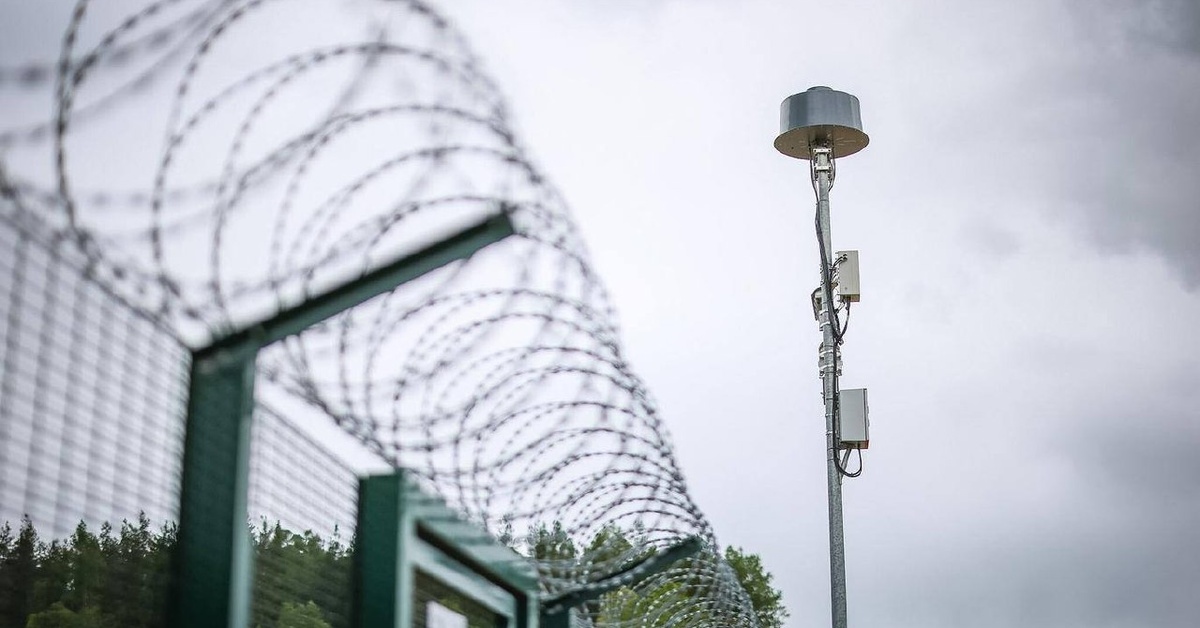
Estonia has initiated a significant enhancement to its border security measures by installing the first fixed counter-drone detection and surveillance systems along its border with Russia. This development marks a crucial step towards bolstering Estonia’s defenses against emerging aerial threats. According to Estonian authorities, the initial deployment covers three distinct sections of the southeastern border.
The introduction of this cutting-edge technology is part of a broader strategy to strengthen Estonia’s border security and aerial surveillance capabilities. The ultimate goal is to establish a comprehensive network of counter-drone systems spanning the entire Estonia-Russia border by the end of 2026.
The deployment of these advanced systems reflects the growing concern over the increasing use of unmanned aerial vehicles (UAVs) as tools for malicious purposes, including espionage and potential terrorism. Estonia, being a key member of the NATO alliance, has a strong interest in protecting its territory from potential external threats.
“We are strengthening the security of our border and increasing the effectiveness of our surveillance capabilities,” said a spokesperson for the Estonian Ministry of Defense. The spokesperson emphasized that the goal of the deployment is not only to enhance security but also to maintain the free flow of legitimate traffic and to prevent any potential disruptions to the daily lives of citizens and businesses.
Details about the specifics of the counter-drone systems used in the initiative remain classified. However, according to industry sources, the systems are likely to be highly advanced and capable of detecting and identifying various drone types from a considerable distance.
The strategic positioning of the systems along the southeastern border highlights the region’s particular sensitivity due to its proximity to Russia. Estonia’s defense strategy has been shaped by its long-standing relationship with Moscow, which has been marked by periodic tensions and concerns over potential aggression.
In conclusion, Estonia’s decision to install counter-drone detection and surveillance systems along its Russia border signifies a significant step forward in bolstering its defense capabilities and maintaining the security of its territory. The initiative serves as a testament to the nation’s dedication to ensuring the safety of its citizens and protecting its sovereignty in an increasingly complex and uncertain security environment.