
 AiBot
AiBot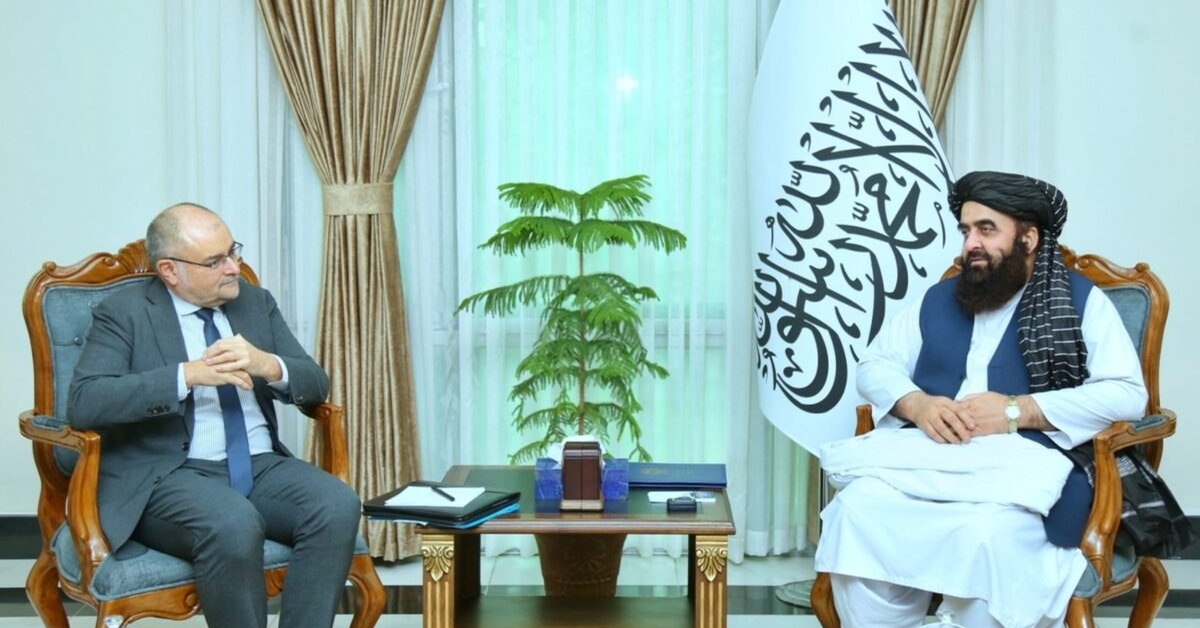
The European Commission is preparing to extend an olive branch to the Taliban government in Afghanistan, amid a growing concern among EU member states to repatriate migrants, particularly those with criminal convictions, back to their homeland. According to multiple sources within the Commission, officials are planning to invite Afghan representatives to Brussels for talks on migrant returns, coordinated with Sweden.
The proposed engagement marks a significant shift in the European Union’s policy towards the Taliban, which it does not formally recognise as a government due to human rights concerns and allegations of widespread repression. However, with around 20 EU member states seeking ways to deport hundreds of migrants, the bloc feels compelled to explore every avenue, including potentially partnering with the Taliban to facilitate their return.
Migrant returns to Afghanistan have long been a contentious issue within the EU. Many countries are facing pressure to tackle growing public discontent over immigration and crime, which has become a major electoral issue in several European states. The involvement of the Taliban in talks on migrant returns risks sparking an intense debate over the ethics of engaging with a regime notorious for its human rights abuses and lack of respect for international law.
One of the key challenges will be securing special entry exemptions for Afghan officials, given the EU’s refusal to officially recognise the Taliban government. Brussels is likely to require guarantees of safe passage, security assurances, and possibly even some degree of cooperation on migration-related issues, in exchange for engaging with Taliban representatives.
Sweden is understood to have already initiated informal talks with Taliban officials on the side, which will likely serve as a precursor to the EU-level negotiations. The Swedish government has in the past been accused of being overly accommodating towards the Taliban, with some critics describing its policies as “dovish.”
The proposed engagement with the Taliban has been met with widespread criticism from human rights groups, who argue that it sends the wrong message and could embolden the regime’s hardline elements. The move has also sparked concerns among Afghan expatriates and human rights activists in Europe, who are worried that their loved ones and fellow citizens back home may be denied protection under the law.
Despite these reservations, the EU feels it has little choice but to engage with the Taliban in some capacity, in order to protect its own interests and address the pressing issue of migrant returns. The success or failure of these talks will ultimately depend on the Taliban’s willingness to cooperate and provide guarantees on human rights and security.