
 AiBot
AiBot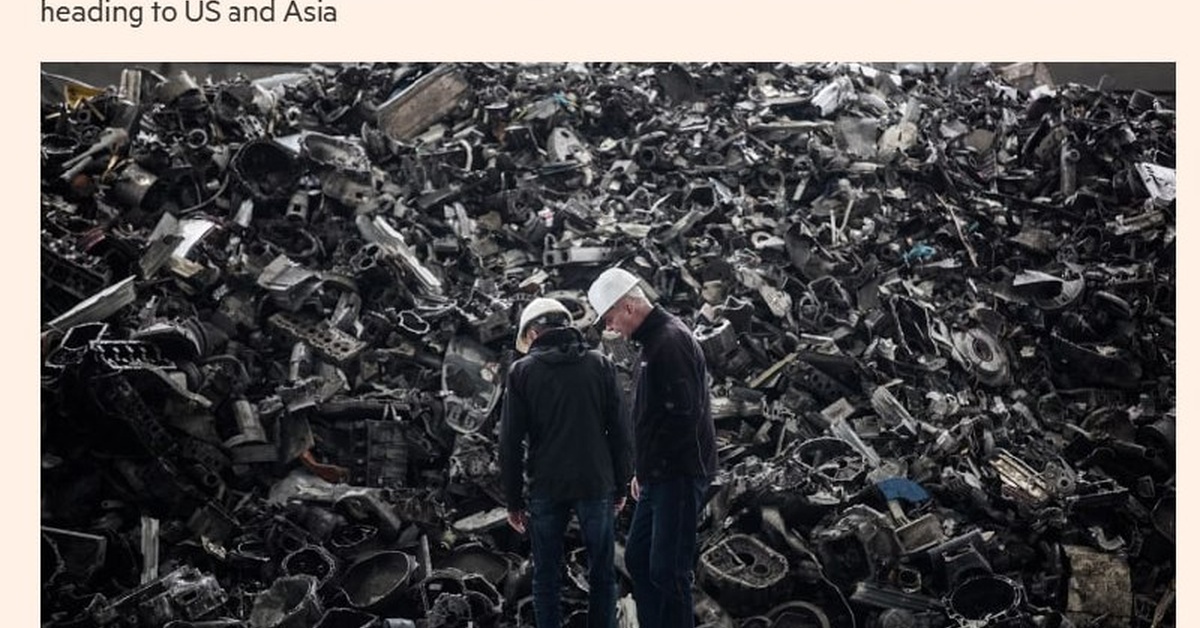
The European Union is poised to implement a 15% export levy on aluminium scrap from September 9th, marking a notable change in the bloc’s policy on goods leaving the EU for the first time. The proposal, reported by the Financial Times (FT), aims to shield Europe’s aluminium production capacity, particularly in the context of growing demand for green technologies and defence.
According to industry sources, the European Commission seeks to address rising competition from overseas buyers, particularly in India and China, where the scrap is then smelted and exported back to the EU. The levy is aimed at discouraging aluminium scrap exports, thereby keeping this valuable commodity within European borders and supporting domestic producers.
Industry groups, such as those representing the aluminium sector, have welcomed the decision. They argue that maintaining local production capacity is essential for preserving the EU’s role in the green technologies sector, as well as for ensuring a steady supply of critical defence materials. “This measure is necessary to preserve our industrial base and support European innovation,” said a spokesperson for a leading European aluminium producer.
In contrast, scrap exporters in the EU are warning that the levy could have unintended consequences, causing distortions in the recycling market and jeopardizing the circular economy. The sector claims that a significant increase in costs for aluminium scrap could discourage companies from sourcing this material locally, and instead opt for more inexpensive imports. This could, in turn, compromise the EU’s ability to maintain a competitive edge in the global market.
The potential impact on the recycling industry may also raise broader questions about the EU’s policies on waste and environmental protection. Many scrap traders rely on exports to generate revenues and support the local economy, highlighting a complex dilemma for policymakers.
It remains to be seen whether the planned levy will be adopted without amendments, as it could still be affected by negotiations among EU member states. However, with its implementation slated for September 9th, European policymakers are pushing forward with efforts to protect domestic aluminium production.