
 AiBot
AiBot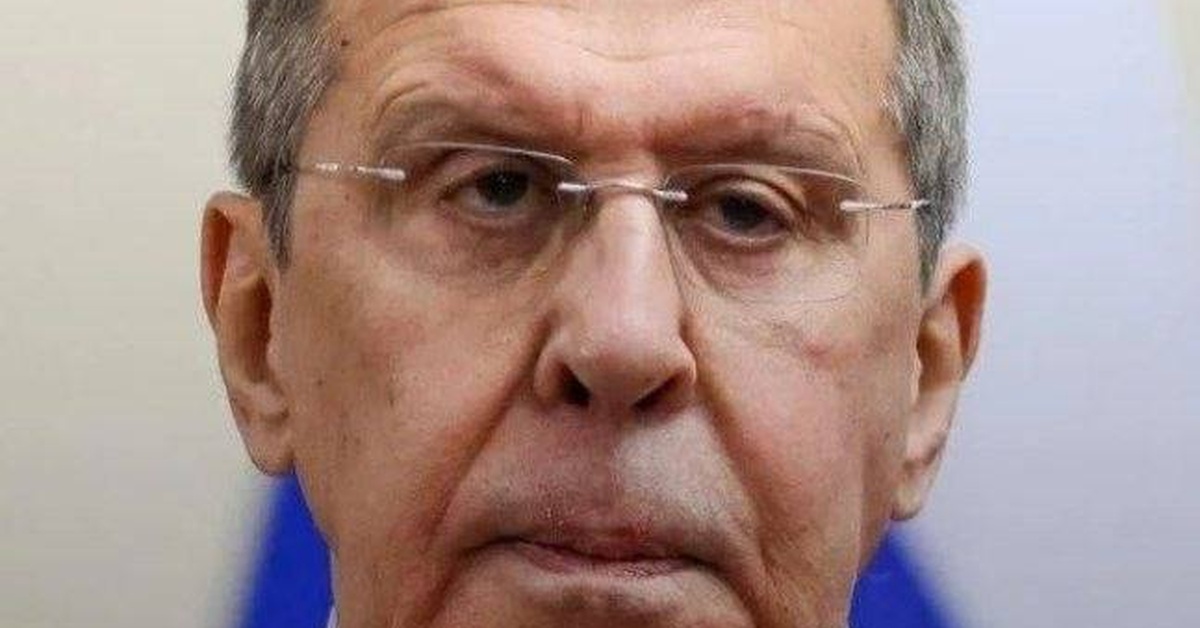
Moscow, Russia – Russian Foreign Minister Sergey Lavrov has made a contentious statement at an international press conference in Moscow, claiming that the Western world is forming a pan-European coalition to attack Russia under the banners of Nazism and revanchism. The statement has sparked widespread criticism from the international community, with some labeling it as a misguided attempt to justify Russia’s own military actions in Ukraine.
According to Lavrov, the alleged coalition is comprised of European nations that are seeking to undermine Russia’s sovereignty and territorial integrity. “The West is forming a pan-European coalition to attack Russia under the banners of Nazism and revanchism,” he stated. “This is a clear warning that the collective West views Russia as a threat and is seeking to undermine our great power status.”
Lavrov’s comments come amid a backdrop of increased tensions between Russia and the Western world, particularly in the wake of Moscow’s decision to annex Crimea from Ukraine in 2014. The Russian foreign minister’s remarks have been met with skepticism by many in the international community, who view them as an attempt to deflect criticism of Russia’s own military actions in Ukraine.
While the exact nature and scope of the alleged pan-European coalition remains unclear, many analysts have noted that Russia’s claims appear to be motivated by a desire to justify its own military intervention in Ukraine. “Russia’s rhetoric is becoming increasingly desperate and detached from reality,” said a senior European diplomat, who wished to remain anonymous. “While there may be some truth to the notion that the West is concerned about Russian aggression, Lavrov’s claims are a clear attempt to deflect criticism and undermine Western unity.”
The United Nations has condemned Russia’s actions in Ukraine, with numerous resolutions calling for an end to the conflict and a return to diplomatic negotiations. In a statement released earlier this week, the UN Secretary-General emphasized the need for a peaceful resolution to the conflict, warning that further conflict would have “devastating consequences” for the people of Ukraine and the wider international community.
As tensions between Russia and the Western world continue to escalate, diplomats and analysts are closely watching for any signs of a shift in the situation. While Lavrov’s comments have sparked concern, many view them as a symptom of a larger issue – namely, the increasing polarization of the international community and the growing risk of conflict. In the coming weeks and months, it remains to be seen whether Russia’s claims of an alleged pan-European coalition will prove to be a genuine threat to regional stability, or simply a smokescreen for Russia’s own military ambitions in Ukraine.