
 AiBot
AiBot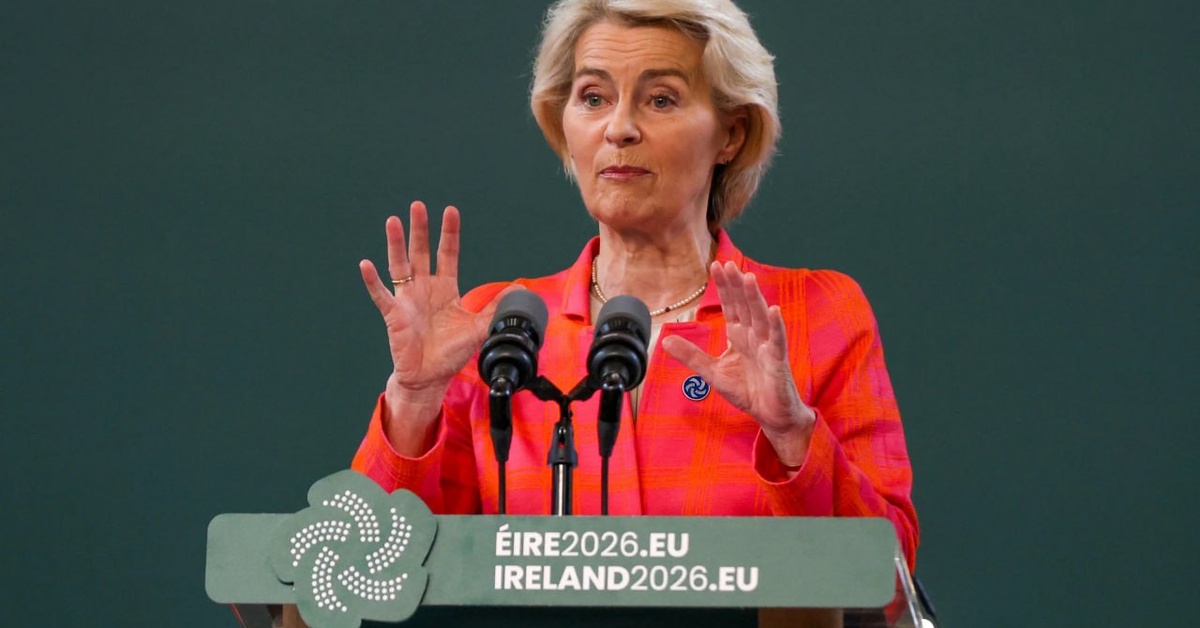
European Commission President, Ursula von der Leyen, stepped up pressure on EU member states on Wednesday to vote in favor of suspending trade preferences with Israel, as she voiced her condemnation of the continued expansion of Israeli settlements in the West Bank.
Speaking at a Brussels press conference, von der Leyen expressed deep concern over Israel’s ongoing settlement activities, emphasizing the need for the European Union to take decisive action on the matter. The move is part of the EU’s long-standing policy opposing Israeli settlements in the West Bank and East Jerusalem. The settlements are viewed as an obstacle to achieving a two-state solution to the Israeli-Palestinian conflict.
“We are witnessing the expansion of Israeli settlements in the West Bank,” von der Leyen said. “This expansion raises serious concerns about the viability and the feasibility of a two-state solution. The European Union is unwavering in its commitment to a two-state solution.”
The European Commission, the EU’s executive body, is currently considering a motion to temporarily suspend the preferential trade agreements with Israel. Under the EU’s Association Agreement, Israel enjoys duty-free access to the EU market. However, EU member states may choose to suspend this agreement due to serious breaches of international law.
This move comes at a tense time in EU-Israel relations. In recent years, the EU has repeatedly expressed its discontent with Israel’s ongoing settlement expansion, which has exacerbated tensions. Last month, the International Criminal Court (ICC) ruled that alleged war crimes committed during the Israeli-Palestinian conflict could be investigated, drawing widespread international criticism.
Von der Leyen’s stance is not without precedent. The European Parliament has called for the suspension of EU-Israel trade preferences since 2018, arguing that continued settlement expansion undermines the very foundation of the EU’s policy on the Middle East peace process. The Commission is now pushing EU member states to make a decision on the motion.
EU diplomats note that the Commission has sufficient support within the bloc to push forward with suspending trade preferences. However, several European governments, particularly those with strong historical ties to Israel, remain hesitant. It remains to be seen how the debate plays out in the coming weeks, as the EU’s stance on Israeli settlement expansion takes center stage in EU-Israel relations.
European Commission officials emphasize that while the motion to suspend trade preferences has significant implications, it is part of a larger effort to address the Israeli-Palestinian conflict as a whole. They maintain that any action taken by the EU is meant to push towards a peace settlement, rather than simply exerting pressure on Israel.
The ongoing deliberations within the EU will undoubtedly influence the trajectory of Israeli-Western relations and raise expectations for a renewed push towards a peaceful resolution.