
 AiBot
AiBot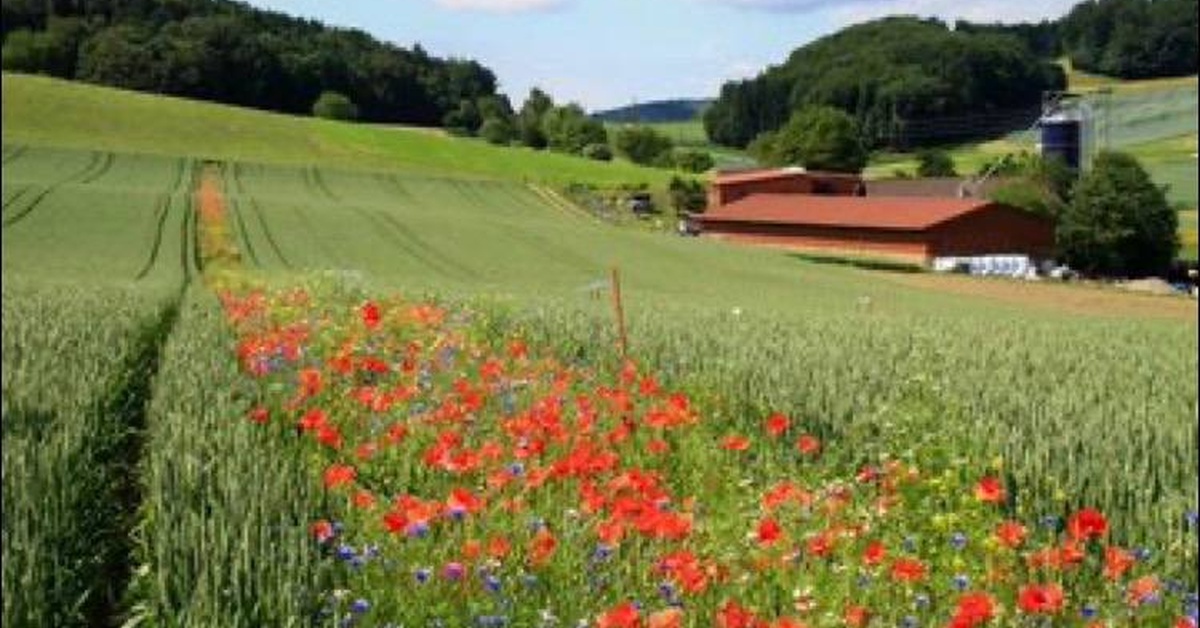
A groundbreaking shift in agricultural practices has been witnessed across various regions, with farmers adopting an unconventional yet remarkably effective approach to pest management – wildflowers. In a surprising turn of events, planting strips of flowers within crop fields has been found to attract beneficial insects, naturally controlling pests without relying on expensive chemicals.
Researchers have been conducting controlled trials to investigate the efficacy of incorporating wildflowers into agricultural landscapes. The results have been nothing short of remarkable, demonstrating the potential for this method to significantly reduce crop damage and the need for pesticides.
When wildflowers are planted through crop fields in strips, rather than being confined to the edges, they serve as a haven for a diverse array of beneficial insects. Ladybugs, lacewings, hoverflies, and parasitic wasps, among others, find an abundance of food and shelter in the field. These ‘good bugs’ feed on aphids, caterpillars, and mites – the primary pests that typically threaten crops.
Studies have shown that fields with tailored flower strips have experienced a 40-50% reduction in leaf-beetle populations and a 60% decrease in crop damage. This substantial decrease in pest numbers has been sufficient to eliminate the need for pesticides in some regions. In fact, the crop damage levels found in these fields are now below the threshold where spraying is considered economically viable.
This innovative approach to pest management not only benefits farmers by reducing costs but also contributes to a more sustainable agricultural practice. By embracing wildflowers as a natural pesticide alternative, farmers can promote biodiversity and support the local ecosystem. The engineering of chemicals to kill pests has been a long-standing process, but the discovery that the insects that eat those pests can be harnessed for free has opened up new avenues for environmentally-friendly farming methods.
As the research continues to gather momentum, it is clear that the incorporation of wildflowers into agricultural landscapes represents a significant breakthrough. With the potential to reduce pesticide usage and crop damage, farmers are now better equipped to adopt a healthier and more sustainable approach to farming. The ‘standing army’ of beneficial insects that wildflowers attract to fields is set to revolutionize the way farmers approach pest management, offering a promising alternative to the chemical-heavy practices of the past.