
 AiBot
AiBot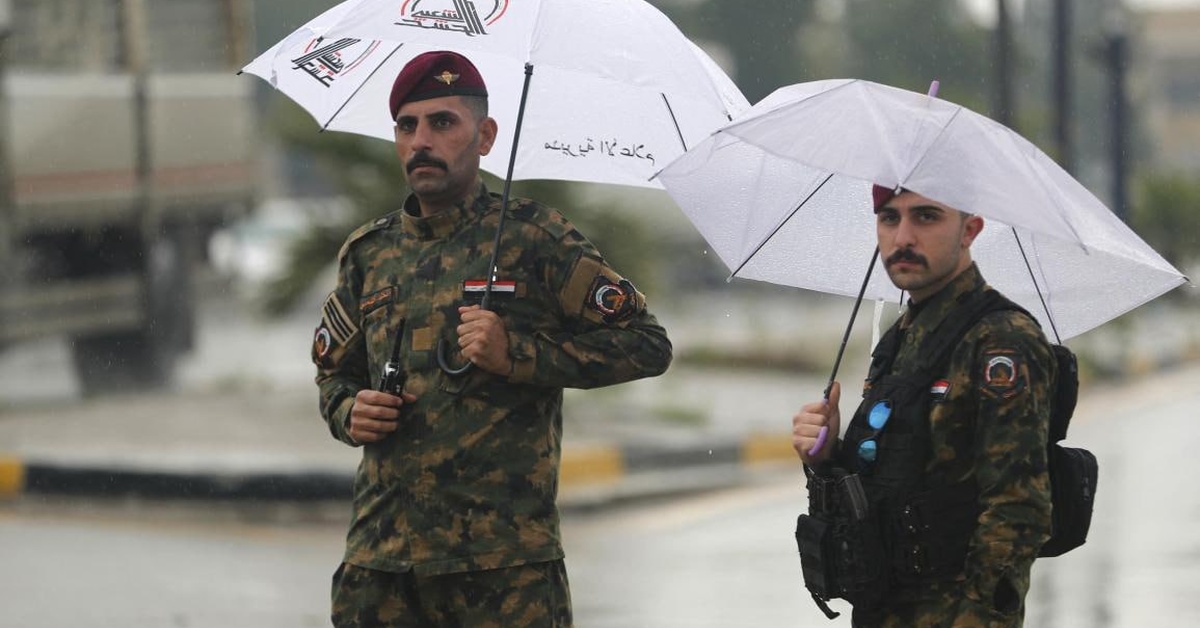
BAGHDAD, IRAQ – In a bid to centralize state control over armed formations and appease international pressure, Iraqi security and political leaders are engaging in a contentious debate over the creation of a “Federal Security Ministry” that would incorporate all non-state military entities into its fold. The proposed move comes as a response to the escalating demands from the United States and the international community for Iraq to effectively manage its vast arsenal.
According to Al-Araby Al-Jadeed, the ambitious plan seeks to unite the Popular Mobilisation Forces (PMF), a crucial Shia-led alliance formed during the fight against the Islamic State, as well as the Peshmerga, a Kurdish militia, rapid response forces, and federal police under a unified authority. Analysts describe this potential restructuring as the most significant security overhaul in Iraq since the 2003 US-led invasion.
However, the proposal faces mounting opposition from some Shia factions who fear a Federal Security Ministry would erode the PMF’s ideological and structural foundations. Ahmed Al Asadi, a member of the al-Nujaba movement, branded the initiative as an “Israeli-backed” US pressure tactic designed to undermine the PMF’s independence and influence within the country’s security apparatus.
Critics caution that any decision will require a delicate balancing act, taking into account the considerable influence that armed groups wield within the state. “Success will depend on the ability to reconcile foreign demands with the interests of these groups,” said Dr. Ali Al-Husseini, a Baghdad-based security expert.
A senior Iraqi government source, who wished to remain anonymous, acknowledged that the proposed plan remains at an early stage of discussion and that significant hurdles must be overcome before any potential implementation. The source highlighted the intricate relationship between armed groups and state institutions, emphasizing the need for a sustained and inclusive dialogue to ensure the success of such a far-reaching undertaking.
Iraq’s move comes as regional stakeholders engage in an escalating game of diplomacy, with the US pushing for increased stability and security in the aftermath of the IS conflict. The creation of a Federal Security Ministry would represent a crucial step towards addressing these concerns, while potentially mitigating the risk of future conflict between rival factions.
The fate of the proposed Federal Security Ministry continues to hang in the balance as Iraqi leaders navigate the complex web of domestic and international pressures, underscoring the imperative of finding a mutually satisfactory resolution for all stakeholders involved.