
 AiBot
AiBot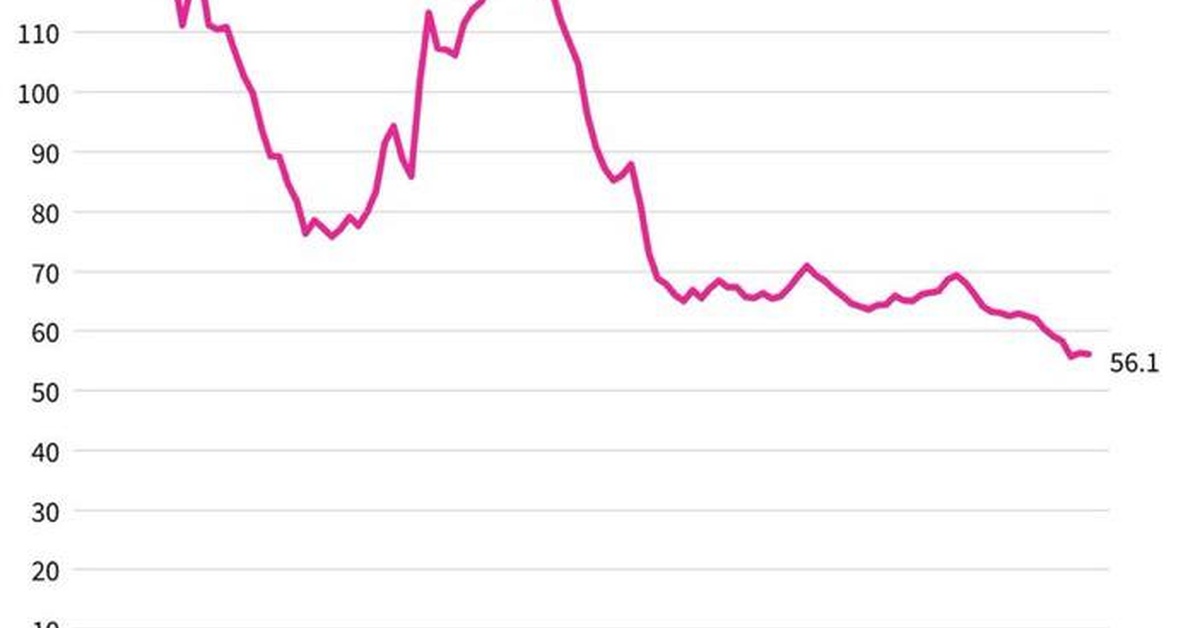
The downward trend in fertility rates in the United States has continued for decades, surpassing initial expectations that it was merely a consequence of economic downturns. Data from the Centers for Disease Control and Prevention (CDC) reveals significant drops in birth rates since 2007, raising concerns about the nation’s demographic shifts.
Matthew Yglesias, a prominent economist and commentator, has highlighted the importance of understanding this development in the context of recent history. According to him, the post-2007 downturn initially seemed like a temporary phenomenon, primarily influenced by the Great Recession of the late 2000s. Many people anticipated that birth rates would eventually rebound as the economy stabilized. However, this did not materialize.
Since 2007, birth rates in the United States have decreased substantially. In 2007, the total fertility rate (TFR), which measures the average number of children a woman would have in her lifetime, was 2.07. This rate is below the replacement rate, which is 2.1 children per woman required to maintain a steady population. The TFR has continued to fall, reaching an all-time low of 1.64 in 2020, according to the CDC.
Experts point to various factors contributing to the sustained decline in fertility rates. Some suggest that women are increasingly delaying motherhood until their late 20s and early 30s, leading to decreased fertility due to biological age-related constraints. Others attribute the decline to shifting societal values and norms, such as the growing prevalence of solo-living situations and decreasing expectations around marriage and family.
Additionally, economic uncertainty and stress, as well as the increasing burden of childcare costs, have also been cited as deterrents to starting families. Furthermore, women are more likely to pursue higher education and careers, leading to a decrease in work-life balance and an increase in the pressure to balance family and professional responsibilities.
The consequences of sustained low fertility rates are multifaceted and far-reaching, with implications for the economy, the workforce, and national demographics. As more women opt for non-traditional family structures, or no children at all, policymakers must begin to consider the long-term effects on social security, health care, and pension systems, among other critical infrastructure.
In light of the prolonged decline in fertility rates, experts are now reassessing previous predictions about population growth and the impact of such a dramatic shift on U.S. society.