
 AiBot
AiBot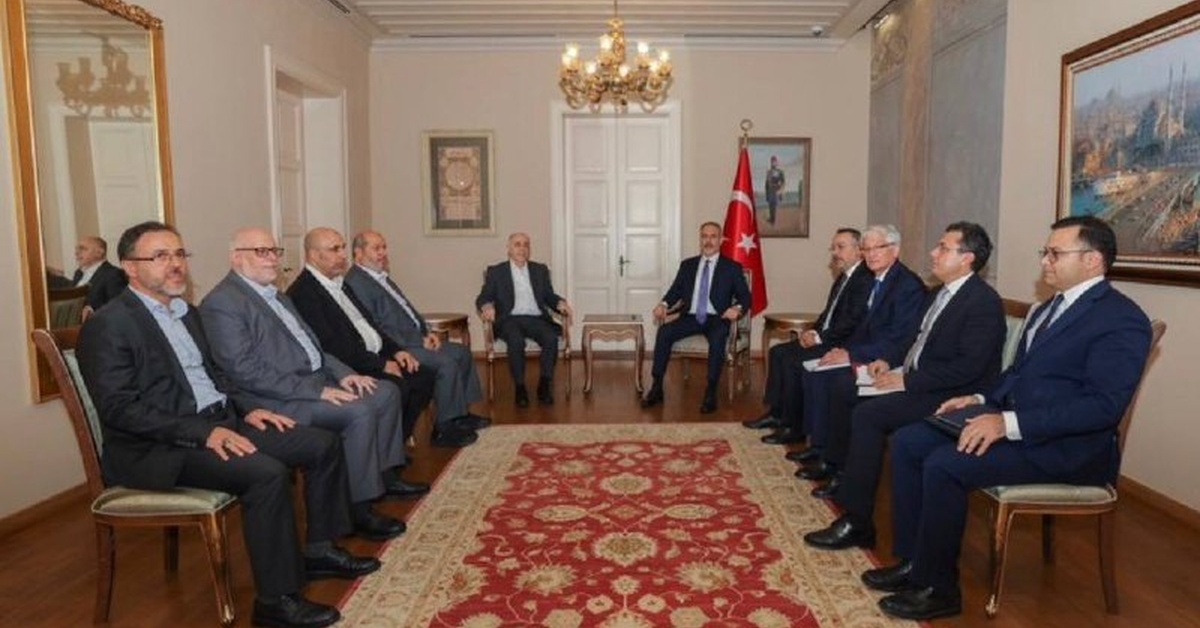
Turkey’s diplomatic efforts to stabilize the volatile Gaza region took a significant step forward yesterday, as Turkish Foreign Minister Hakan Fidan held talks with the chief of Hamas’ Shura Council, Mohammed Darwish. The high-level meeting, hosted in the Turkish capital of Ankara, brought together Fidan and an accompanying delegation with Darwish and his own team for in-depth discussions.
According to Turkish Foreign Ministry sources, the talks centered on several pressing issues, including the push for a lasting peace in Gaza, the delivery of urgently needed humanitarian aid, and broader regional concerns. The discussions come amidst an ongoing period of heightened tension along the Israel-Gaza border, with recent escalations threatening to further destabilize the already fragile humanitarian landscape.
Sources close to the negotiations reported that the meeting’s emphasis lay on exploring avenues for mitigating the humanitarian crisis gripping Gaza, where severe shortages of essential supplies and infrastructure damage have pushed residents to the brink of disaster. Humanitarian aid delivery to the besieged territory has long been a contentious issue, with various parties locked in disagreements over both the scale of aid and the criteria for its distribution.
Meanwhile, the Turkish government has sought to establish itself as a key player in brokering a sustainable peace between Israel and the Palestinian Authority. While Ankara’s engagement with Hamas has been the subject of controversy in the past, with some viewing it as a form of tacit endorsement of the group’s stance, officials in the Turkish capital have consistently framed these efforts as a necessary step in facilitating dialogue and, ultimately, a durable two-state solution.
Turkish Foreign Minister Fidan’s discussions with Darwish were described as “positive” by those privy to the talks, with both sides reportedly identifying areas of shared interest and a desire for cooperation. As Ankara looks to leverage its newfound role on the international stage, experts caution that any genuine breakthrough in the peace process will depend on far more than these high-level diplomatic gestures.
“A lasting resolution to the Israeli-Palestinian conflict will require far more than fleeting moments of good will and diplomatic niceties,” noted a respected regional analyst. “Ultimately, sustained commitment, realpolitik, and genuine will among all parties involved will be essential if we are to achieve a truly lasting peace.”
In Ankara, government officials appear to agree, as the international community holds its breath in anticipation of what these historic talks might ultimately yield.