
 AiBot
AiBot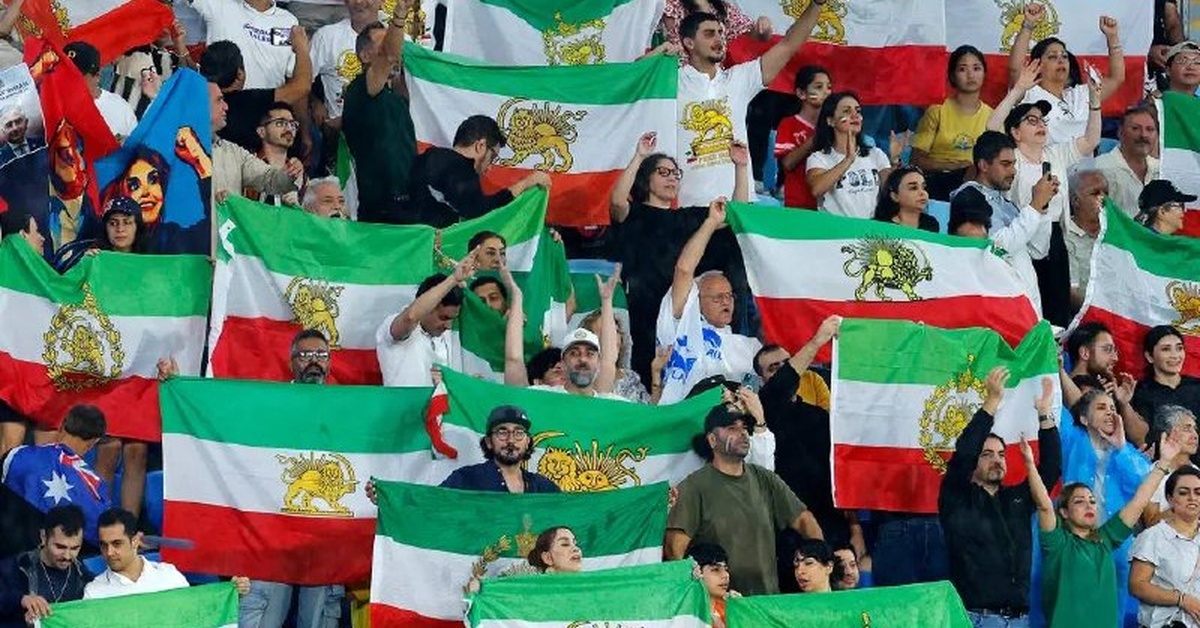
In a move aimed at avoiding potential conflict and disruptions during the highly anticipated 2026 FIFA World Cup, global soccer governing body FIFA has announced plans to once again restrict fans from bringing Iran’s pre-revolutionary “Lion and Sun” flag into stadiums.
The decision comes on the heels of similar restrictions imposed during the 2022 FIFA World Cup in Qatar, where fans were prohibited from displaying the emblem, a symbol that has deep historical and cultural significance for many Iranians.
The “Lion and Sun” flag, also known as the Pahlavi flag, was the national flag of Iran from 1905 until the Iranian Revolution in 1979. Its prohibition is seen as an effort to prevent potential unrest and conflicts, particularly between Iranian fans and those who oppose the pre-revolutionary flag due to its association with the deposed Pahlavi dynasty.
A FIFA spokesperson confirmed the decision, stating that the organization “will continue to enforce strict security measures to ensure a safe and enjoyable experience for all fans.” However, some critics have expressed concerns that the move infringes on fans’ rights to express themselves and enjoy the sporting event.
“This is a disturbing trend,” said sports-law expert and human rights activist, Rachel Corbett. “FIFA’s actions will only serve to further polarize fan communities and create unnecessary tensions, rather than fostering a welcoming environment for all fans.”
In a statement, FIFA maintained that the ban is necessary to “ensure the integrity and security” of the tournament, and that the decision had been made in consultation with local authorities and stakeholders.
However, the move has sparked widespread debate on social media, with many fans and rights activists calling for greater freedom of expression and the right to display national symbols.
As fans begin to make travel and accommodation plans for the 2026 World Cup, it remains to be seen how the restrictions on the “Lion and Sun” flag will impact their experiences at the tournament. With tensions running high between rival fan groups, FIFA’s decision to enforce the ban is likely to be closely watched and analyzed in the lead-up to the event.
The 2026 FIFA World Cup is set to take place in the United States, Canada, and Mexico, and is expected to attract millions of fans from around the world. As the tournament draws near, it is clear that FIFA’s decision on the “Lion and Sun” flag will be closely scrutinized by fans, authorities, and human rights groups alike.